
Master the Different Types of Engineering for Your 2026 Career Path
· 23 min read

Why understanding different engineering disciplines matters right now
Have you ever felt confused about what certain engineering jobs really mean? You are not alone. In 2026, many different types of engineering roles exist, but their names can sometimes overlap or seem unclear. One company might call someone an "application engineer," while another might have a similar role with a completely different title. This makes it tough for people looking for jobs and for companies trying to hire the right person.
This confusing mix of job titles and what each role truly involves can make it hard to plan your career.

For instance, if you’re interested in roles like an "entry level embedded software engineer" or "research software engineer jobs," how do you know where to start? The same goes for understanding what "information systems jobs" really entail. It’s a big puzzle to put together who does what. Even experts have worked to create clearer ways to group engineering tasks and skills to help with this problem, as seen in efforts to build a taxonomy of common engineering activities and competencies.
This article is here to help clear things up. We will give you a simple map of the many different types of engineering out there. You will learn about:
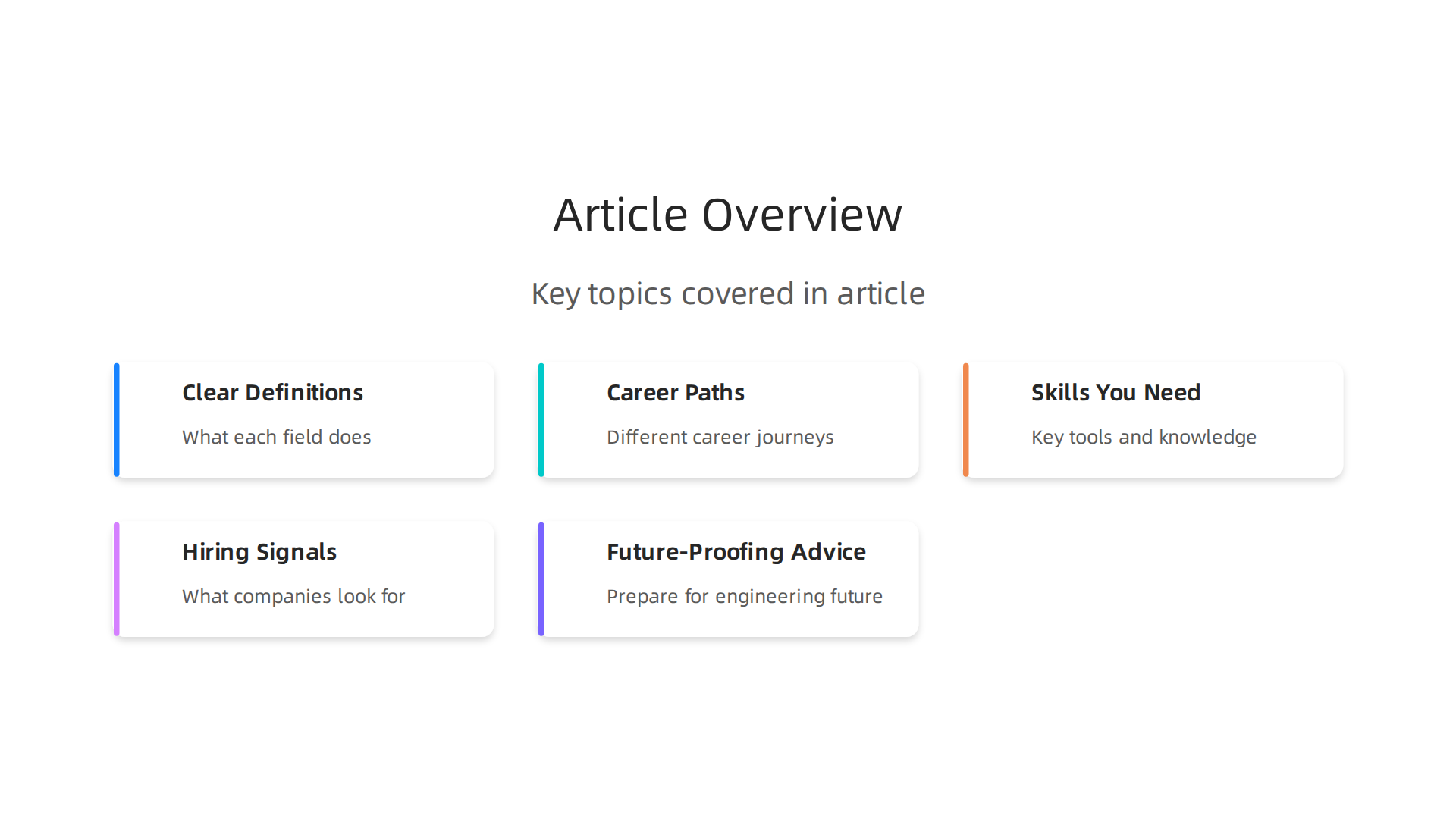
- Clear Definitions: What each main engineering field actually does.
- Career Paths: Different journeys you can take in these fields.
- Skills You Need: The important tools and knowledge for each area.
- Hiring Signals: What companies look for when they are hiring.
- Future-Proofing Advice: How to prepare for tomorrow’s engineering world.
Our goal is to give you a clear understanding of the engineering landscape, whether you are just starting out or looking to make a career change. If you’re wondering about degrees, you might find our guide on how to choose a software engineering degree for your 2026 tech career helpful.
To stay on top of the fast-changing world of tech and engineering, make sure you’re getting the latest insights. Discover more with The AI Newsletter Worth Reading.
A taxonomy of engineering disciplines: core categories and how they relate
To help clear up the mix of job titles, we can look at engineering like a big tree with many branches. Experts have worked to sort these branches into clearer groups, which we call a taxonomy. This is like creating a simple map for all the different types of engineering.
At the highest level, some main engineering fields stand out. These include:
- Software Engineering: This field is all about creating computer programs and systems. It involves designing, building, and maintaining software that runs everything from your phone apps to complex business systems. Roles here might be called an application engineer, which means someone who makes software for specific uses, or an entry level embedded software engineer who works on software for devices like smartwatches.
- Electrical Engineering: This branch focuses on electricity, electronics, and electromagnetism. Think about how power grids work, how your computer’s parts are made, or how signals travel through the air.
- Mechanical Engineering: This is a very broad field. It deals with the design, building, and use of machines and tools. From car engines to robots, mechanical engineers make sure things move and work correctly.
- Civil Engineering: These engineers plan, design, build, and maintain our world’s infrastructure. This means roads, bridges, buildings, airports, and water systems. You might even find engineers exploring how to use AI in civil engineering today.
- Systems Engineering: This field looks at the bigger picture. It makes sure that all the different parts of a complex project work together smoothly. It’s about combining many types of engineering to build a complete solution.
- Information Engineering: This often overlaps with software engineering, focusing on how information is stored, processed, and used in systems. People in information systems jobs might work with databases or network security.
Sometimes, job titles can be tricky. A company might have a "research software engineer" role, which mixes deep technical work with new ideas, or a "DevOps engineer," who focuses on how software is built and delivered quickly. Even official groups like the IEEE have created broad categories to help define the many different types of engineering out there, helping us better understand what each job really does. Knowing these main types of engineering and their connections helps everyone. It helps people find the right jobs and helps companies find the right talent in 2026. This clear way of grouping things also makes it easier to learn new skills and plan your career path in the exciting world of technology.
After understanding the wider world of engineering, let’s zoom in on software engineering. This field itself is a big tree with many specialized branches. Each branch focuses on a different part of building and maintaining the software we use every day. Knowing these different types of engineering roles helps people find their place and build a strong career path in 2026.

Here are some common types of software engineering roles:
- Frontend Engineer: These engineers are like the artists and builders of what you see and interact with on a website or app. They make sure buttons work, pages look good, and everything is easy to use. Their job is all about the "user interface" and "user experience." If you’re looking to learn these skills, there are many excellent best web development class online options today.
- Backend Engineer: While frontend engineers handle the visible parts, backend engineers work behind the scenes. They build and maintain the servers, databases, and application logic that make the frontend possible. Think of them building the powerful engines and strong foundations that store data and handle requests.
- Full-Stack Engineer: This role is for engineers who are comfortable doing both frontend and backend work. They can build an entire piece of software from start to finish. Finding talent for these roles means knowing how to hire a full-stack developer who can wear many hats.
- Site Reliability Engineer (SRE) / DevOps Engineer: These engineers focus on making sure software systems run smoothly, reliably, and efficiently. They automate tasks, monitor performance, and fix problems quickly. They often work on improving how software is built and delivered, helping teams work faster and better.
- Platform Engineer: A platform engineer builds tools and systems that other software engineers use. They create the "platform" or foundation that makes it easier for development teams to build, test, and deploy their own applications. This often involves creating reusable services and infrastructure.
- ML/AI Engineer: With AI being so important in 2026, many engineers focus on Machine Learning (ML) and Artificial Intelligence (AI). They build, train, and deploy AI models that can learn from data and make smart decisions. Strong math and programming skills are key here, and staying updated on top tech skills software engineers need in 2026 is vital.
- Mobile Engineer: These specialists create applications for mobile devices like smartphones and tablets. They work on either iOS (Apple) or Android platforms, or sometimes both. The world of mobile app development trends in 2026 is always changing, with a focus on new user experiences.
- Embedded Engineer: Embedded engineers write software for very specific computer systems that are part of larger devices. This could be software for smart home devices, car systems, or medical equipment. They often need to understand both software and hardware really well.
Building a Software Engineering Career
No matter which type of software engineering role you start in, there’s usually a clear path for growth. Most companies have a career ladder that shows how you can move from a junior software engineer to more senior roles. For example, a common path looks like this:
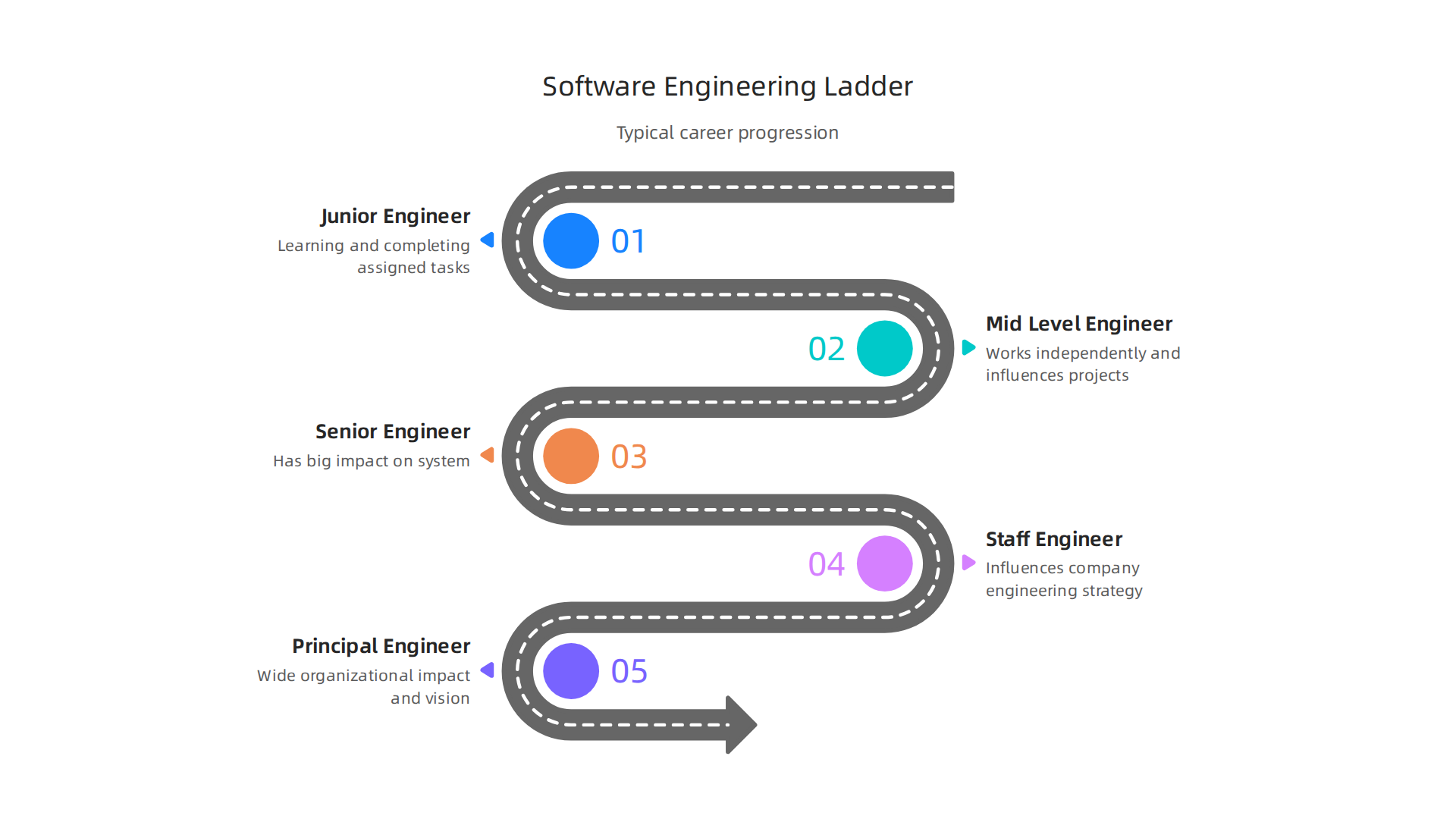
- Junior Engineer: Focuses on learning and doing assigned tasks.
- Mid-Level Engineer: Works more independently and starts to influence projects.
- Senior Engineer: Has a big impact on the whole system and helps guide other engineers.
- Staff Engineer: Influences the whole company’s engineering strategy.
- Principal Engineer: Has a very wide impact on the organization and its long-term technical vision.
These levels show increasing responsibility and a need for deeper knowledge in areas like system design and problem-solving. Knowing what skills are needed at each stage can help you plan your learning. Many companies also create a Software Engineer Skills Matrix to make these expectations clear.
Understanding these different roles and career paths is important for anyone looking to enter or advance in software development in 2026.
Keeping up with all these changes in the tech world can be tough.
Get clear daily AI updates from The AI Newsletter Worth Reading.
While software engineers build the digital brains of our products, they don’t work alone. Many other fields of engineering are just as important. These different types of engineering work hand-in-hand with software teams to bring ideas to life, especially for physical products or complex systems. Think of it like building a car: software engineers create the navigation system, but mechanical engineers design the engine, and electrical engineers handle the wiring.
Here are some key non-software engineering fields that play a big role:
- Electrical Engineering: These engineers design and develop the hardware and circuits that software runs on. From microchips in your phone to the power systems in a smart home device, electrical engineers make sure the hardware is robust. Software engineers often need to understand the electrical components to write code that works perfectly with them. This close relationship is especially clear in areas like embedded systems, where an entry level embedded software engineer needs to know about both hardware and software.
- Mechanical Engineering: These experts design physical products and systems. They focus on how things move, their shape, and the materials used. For example, a mechanical engineer might design a robot’s body, while a software engineer writes the code that controls its movements. Their work together makes sure the physical parts and the software controls match up.
- Quality Assurance (QA) and Test Engineering: These roles are about making sure everything works as it should, both the software and the physical parts. QA engineers create tests to find bugs and problems before a product is released. They work closely with all engineering teams to check that the software performs well on the hardware, and that the whole system meets quality standards.
- Systems Engineering: A systems engineer looks at the whole picture. They make sure all the different parts of a complex product or project work together smoothly. They connect the dots between software, hardware, electrical, and mechanical teams. Their job is to manage how information flows and to solve big problems that involve many different parts. These types of roles are crucial for linking different engineering specialties and ensuring smooth operation, often involving complex information systems jobs.
Working Together and the Challenges
Collaboration among these different types of engineering teams is super important. Software engineers might need to know the limits of the hardware designed by electrical engineers. Mechanical engineers need software support to test their physical designs. When teams work closely, sharing ideas and knowledge, it helps build better products.
However, sometimes there are challenges. Handoffs, when one team finishes their part and gives it to another, can be tricky. Making sure everyone understands each other’s work and requirements is key. Poor communication can lead to delays or problems later on.
The rise of AI in 2026 is changing how all these engineers work. AI tools can help with design, testing, and even managing complex projects, making collaboration even more important across all engineering fields. Many fields are seeing AI transform practices, making engineering faster but sometimes impacting quality, as noted in the Engineering in the Age of AI: 2026 Benchmark Report. Knowing the different types of engineering helps everyone appreciate how their pieces fit into the larger puzzle.
Engineers rarely stay in the same exact role throughout their whole career. Just like building a complex machine, a career in engineering has many moving parts and ways to grow. You can move up in your field or even switch to different types of engineering entirely.
Moving Up: Your Career Ladder
Most engineering careers start as an individual contributor. This means you do hands-on work, like writing code or designing parts. As you get more experience and learn more, you can take on bigger roles.
- Junior to Senior Engineer: When you start, you might be a junior engineer. After some years, you become a senior engineer. A senior engineer does more complex work, might guide newer team members, and helps solve tougher problems. If you’re looking for guidance on this path, you can explore a junior software engineer 2026 skills hiring career roadmap.
- Principal Engineer or Architect: Beyond senior, you might become a principal engineer or an architect. These roles involve designing the big picture of a project or system. They make important choices about how things are built and ensure all parts work together.
- Engineering Manager: Another path is to move into management. An engineering manager leads a team of engineers. Their job is to help their team grow, plan projects, and make sure everyone has what they need to succeed. This shift often means less hands-on technical work and more focus on people and strategy. It’s important to define developer levels build clear engineering career paths within companies to make these transitions clear.
Moving Across: Changing Specialties
It’s also common for engineers to change their focus. An engineer might start in one field, like software, and then move to another, like becoming an application engineer. This is called a lateral move. For example, a software engineer might decide they want to work more on how software affects business and become an application engineer, which blends technical skills with customer needs. Or, someone in research might pursue research software engineer jobs to focus on new ideas.
Data from the U.S. Bureau of Labor Statistics shows that different engineering jobs have varying growth outlooks. For instance, industrial engineers are projected to see a notable increase in employment between 2024 and 2034, which suggests opportunities for those willing to learn new skills or move into different areas of engineering expertise Force, mass, mechanisms, and vectors: employment projections and wages in engineering. This flexibility is one of the strengths of having a strong engineering background.
Learning New Skills to Advance
To make these moves, engineers need to keep learning. This is called "upskilling."

There are many ways to do this:
- Online Courses and Bootcamps: Many engineers take online classes to learn new programming languages, tools, or design methods. You can even find a guide to software engineering degrees for your 2026 tech career to plan your learning.
- Certifications: Getting special certifications can show that you have certain skills. For example, a certification in cloud computing or a specific software framework can open doors to new roles.
- Hands-on Projects: Building your own projects helps you learn and shows what you can do.
- Mentors: Learning from experienced engineers can be very helpful.
The world of engineering, including all the different types of engineering, is always changing. Staying updated with new tools and ideas, especially with the rise of AI, is key to a successful and varied career.
Are you keen on staying updated with the latest in AI and tech? Get clear daily AI updates from The Deep View Newsletter to keep your skills sharp and your career moving forward.
To move forward in any engineering field, or even switch to new ones, you need the right mix of skills, tools, and sometimes special papers called certifications. Different types of engineering jobs look for different things, but there are some core abilities that are always helpful.
Core Skills for Every Engineer
No matter what kind of engineer you are, some skills are key. Employers often look for these:
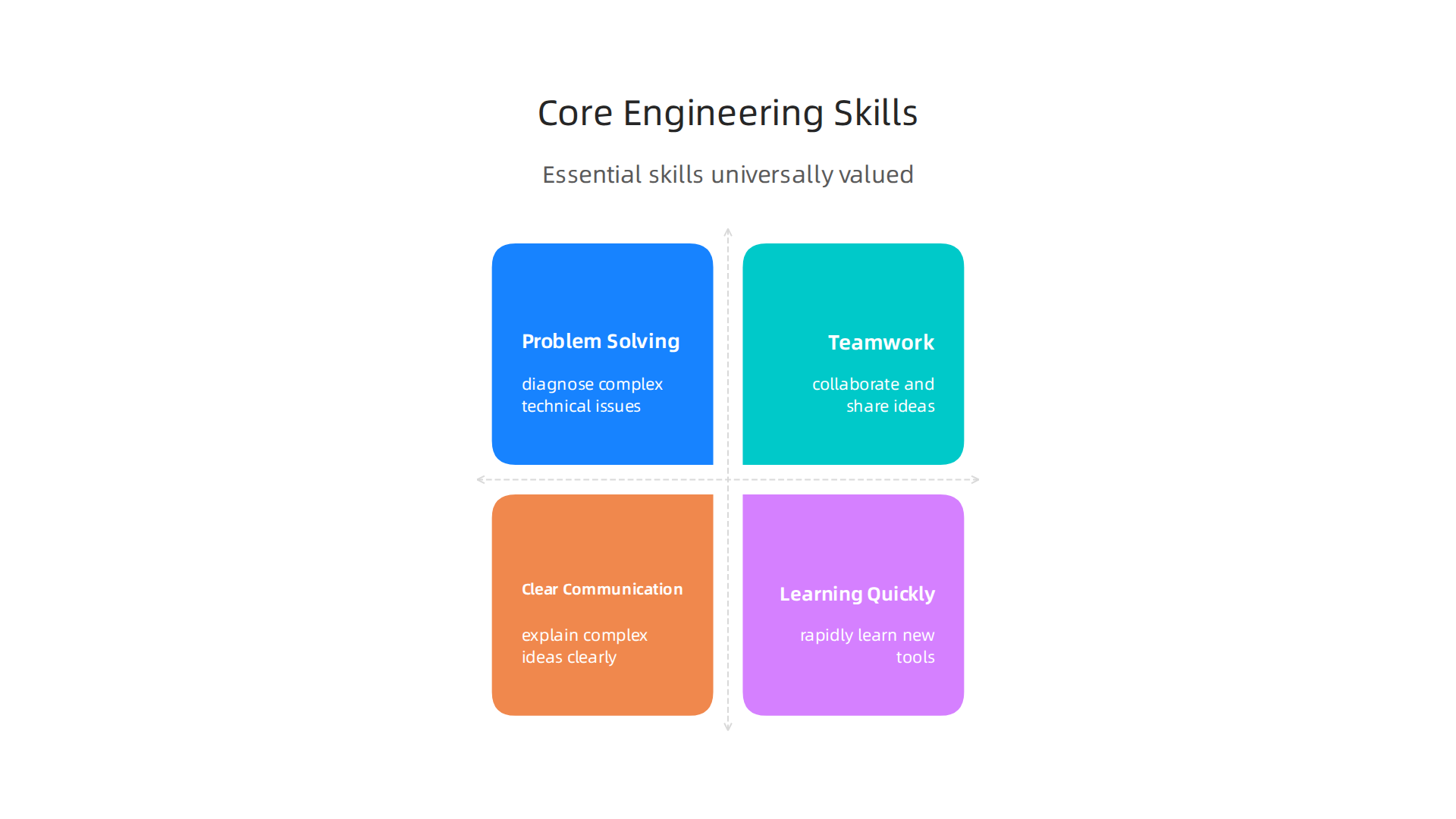
- Problem-Solving: Engineers solve problems every day. You need to be able to look at a tricky situation, figure out what’s wrong, and come up with good ways to fix it. This is a basic skill for all engineering work.
- Teamwork: Most big projects are done by teams. Being able to work well with others, share ideas, and help each other is very important.
- Clear Communication: You need to explain complex ideas simply, both in writing and when you talk. This helps everyone on the team and outside the team understand what you are doing.
- Learning Quickly: Technology changes fast. Being able to pick up new tools and ideas is a skill that will serve you well your whole career, especially with new advances like AI.
Companies often use "competency frameworks" to describe these skills and how they grow at different job levels, from a beginner to an expert Engineering professional competence Framework guidance.
Technical Skills and Tools by Engineering Type
While core skills are universal, the hands-on technical skills and tools change depending on the different types of engineering you focus on.
- Software Engineers: If you’re building apps or computer programs, you’ll need to master programming languages. In 2026, popular choices include Python, JavaScript (often with TypeScript), Java, or C#. Knowing about data structures and how to design systems is also a must-have skill Software Engineer Skills 2026: The Complete List Employers …. Many software roles now also require you to be good with AI-assisted coding tools. You should know how to use them to write better code faster Software Engineer Skills in 2026: What the Job Now Expects. To start strong, understanding computer science fundamentals for tech mastery is a great foundation.
- Application Engineers: This role often means you’re helping customers use a product. You need a mix of technical know-how and people skills. You might help fix issues, show how the product works, and give feedback to the engineering team.
- Entry Level Embedded Software Engineer: If you like working with hardware, like what’s inside a smart watch or a car, you might be an embedded software engineer. These roles often use languages like C or C++ and require understanding how software talks to physical parts.
- Information Systems Jobs: These engineers focus on how technology helps a business run smoothly. They deal with managing data, keeping systems secure, and making sure information flows where it needs to go. For these roles, understanding how to improve business processes with technology is key.
- Research Software Engineer Jobs: If you love discovering new things and applying code to scientific problems, this might be your path. You’ll often work with cutting-edge tools and new ideas, pushing the boundaries of what technology can do.
As you grow in your career, especially in software, you’ll find there are different levels of skill and responsibility. These range from a junior engineer learning the ropes to a principal engineer guiding big projects Engineering Career Ladder & Competency Framework.
Certifications That Make a Difference
For many different types of engineering roles, especially in fast-changing areas like cloud computing or AI, getting special certifications can help you stand out. These certificates show that you have specific, tested skills. For example:
- Cloud Certifications: Knowing how to use services from Amazon, Google, or Microsoft is super valuable today. These are often needed for roles in building online systems.
- Specific Software Frameworks: Some jobs want you to be an expert in a certain type of software, like a particular web framework.
- AI and Machine Learning: With AI becoming so big, certifications in how to build or use AI models are highly sought after Top Tech Skills Software Engineers Need in 2026 – KWAN. To learn more about how AI is changing things, check out information on effective LLM AI adoption for developers.
These certifications, along with ongoing learning, are crucial for staying competitive and moving into the most exciting and rewarding engineering jobs in 2026 and beyond. Finding the 2026 software engineer certification that actually pays off can guide your next steps.
Getting the right certifications is a smart move for your career. But what happens after you’ve built up your skills and earned those papers? Companies need to know how to fit these different types of engineering talent into their teams. How they hire and where they place engineers can make a big difference in how well projects run.
Hiring signals and team structures: where to place specialized engineers
Companies today think a lot about how to organize their engineering teams to get the best work done.

This is especially true with so many different types of engineering roles available. They often look at two kinds of engineers: generalists and specialists. A generalist can work on many parts of a project, while a specialist has deep knowledge in one area, like security or AI Engineering Hiring: Generalists vs Specialists — When Each Wins.
Many modern tech companies use models like "squads" or "platform teams." Squads are small, focused groups that work on a specific part of a product, like a feature that users see. Platform teams build shared tools and services that many other teams use, making everyone more efficient. For example, an entry level embedded software engineer might join a squad working on a new smart device, while an application engineer might work with a team that helps other engineers use internal tools. These structures help place engineers where their specific skills can have the biggest impact Scaling Engineering Teams: The Ultimate Guide.
When it comes to hiring, companies use specific ways to find the best fit for their teams. This often means more than just looking at a resume. They focus on "hiring signals" and detailed evaluation rubrics. These are like checklists and scoring guides for interviews. For instance, a company might look for a research software engineer jobs candidate to show strong problem-solving skills in new areas, while an engineer for information systems jobs might need to show how they improve business processes.
Here are some common hiring practices in 2026:
- Structured Interviews: Instead of just talking freely, interviewers use set questions and score candidates consistently. This helps keep things fair How to Hire Technical Talent in 2026.
- Technical Assessments: Candidates might do coding tests or design challenges that are like real work problems. This shows what they can actually do High-Performing Engineering Teams 2026.
- Focus on Outcomes: Instead of just listing skills, job roles are often defined by what the engineer will achieve in the first few months Engineer Hiring: Strategies, Processes, and Tools for 2026. This helps make sure they’re hiring for impact.
- Team Calibration: Interviewers get trained to make sure everyone is judging candidates in the same way, reducing bias 8 Best Practices For Hiring And Interview Processes For ….
Understanding these hiring signals and team setups is key, whether you are looking for your first role as a junior software engineer 2026 skills, hiring, career roadmap or figuring out how to define developer levels within your own company.
Staying on top of the latest hiring practices and team designs, especially with how quickly AI is changing the engineering landscape, is crucial. If you want to keep up with how AI is shaping the world of engineering and beyond, consider checking out The AI Newsletter Worth Reading for clear, daily updates.
Staying on top of the latest hiring practices and team designs, especially with how quickly AI is changing the engineering landscape, is crucial. If you want to keep up with how AI is shaping the world of engineering and beyond, consider checking out The AI Newsletter Worth Reading for clear, daily updates.
Future trends (2026+): AI, automation, and emerging hybrid roles
Looking ahead to 2026 and beyond, Artificial Intelligence (AI) and automation are quickly changing the world of engineering. They are not just tools; they are creating totally new jobs and changing how existing jobs work across many different types of engineering fields. Experts believe that AI will keep changing how engineers do their daily tasks, from designing to fixing things, and even how they make choices The Role of Artificial Intelligence in Advanced Engineering.
One big change is the rise of "hybrid roles." These are jobs that mix old engineering skills with new AI knowledge. For example:
- MLOps Engineers: These engineers help make sure AI models work well in real-world products. They bridge the gap between machine learning and how software is built and run.
- Prompt Engineers: This is a newer role where people learn to talk to AI systems in just the right way to get the best results. This skill is becoming important even for roles like an
entry level embedded software engineer, especially when working with smart devices that use AI. You can learn more about how to Mastering AI Response Design Evaluation for better outcomes.
The skills needed for different types of engineering are shifting too. Instead of just writing code by hand, engineers will spend more time teaching AI, checking its work, and making sure it does what it’s supposed to. This means moving from just "authorship" of code to "orchestration, verification, and accountable judgment" of AI systems Human-AI Collaboration and the Transformation of Software …. For instance, an application engineer might use AI tools to quickly test software, and then focus on making sure the AI’s suggestions are safe and effective. Even someone in information systems jobs might use AI to automate data analysis and then focus on interpreting the results.
To keep up, engineers should focus on learning about AI, machine learning, and how to work with smart systems. For managers, this means updating hiring plans to look for these new skills and offering training to current teams. Companies are already expecting a shift from manual coding to AI helping with oversight Engineering in the Age of AI: 2026 Benchmark Report. Roles like research software engineer jobs will also change, needing a strong understanding of how AI works and how to guide it. You can learn how to How to Study AI for Software Development to prepare.
In 2026, many organizations are confident they will get real value from AI in engineering the-state-of-engineering-ai-2026. It is clear that adapting to these changes is not just a good idea, it is a must for anyone in the engineering world.
Summary
This article maps the confusing landscape of engineering job titles and disciplines to help readers choose and build careers in 2026. It defines core fields—software, electrical, mechanical, civil, systems, and information engineering—then breaks down common software roles like frontend, backend, full‑stack, SRE/DevOps, platform, ML/AI, mobile and embedded. The piece explains typical career ladders from junior to principal or manager, the universal soft skills employers want, and technical skills and certifications that matter by specialty. It also shows how companies hire and organize engineers—using structured interviews, technical assessments and platform/squad models—and highlights hiring signals to watch for. Finally, it covers future trends driven by AI, including hybrid roles like MLOps and prompt engineering, and practical ways to upskill and future‑proof your career.