
The 2026 Software Engineer Certification That Actually Pays Off
· 17 min read

Introduction
Are you feeling the pressure to get certified in 2026? You are not alone. The software development market is booming, with estimates showing it will reach $1.11 trillion by 2031, and the U.S. Bureau of Labor Statistics projects a blistering 15 percent growth for software developer jobs through 2034. At the same time, AI is shaking up everything. A 2026 survey found that 85 percent of developers now use AI tools regularly in their work. With AI coding assistants getting smarter every month, it is natural to wonder: does a software engineer certification still matter? And if so, which one should you pick?
Here is the thing. Right now there are hundreds of certifications out there. From vendor-specific badges like the Amazon Solutions Architect to broader credentials from the National Institute for Certification in Engineering Technologies, the options can feel overwhelming. Throw in free resources like Harvard online courses, and the noise only gets louder. You want a credential that actually boosts your career, not just another line on your resume.
This guide cuts through that noise. We have studied the latest data, talked to hiring managers, and built a practical framework to help you decide. Whether you are a seasoned developer looking to validate cloud skills or a newcomer trying to break in, you will find clear, honest advice here.
Let’s start by understanding how AI is changing the value of certification.

Then we will walk through a step-by-step process to find the right fit for your goals. If you are curious about how deep learning really works under the hood, check out our piece on grok code with a science-backed framework for deep comprehension it will sharpen the mental models you need for any certification exam.
The Changing Landscape of Software Certifications
So here we are in 2026. AI tools are now part of everyday coding. A recent study found that 85 percent of developers regularly use AI for writing code, and Stanford’s 2026 AI Index Report shows that AI performance on coding benchmarks jumped from 60 percent to near 100 percent in just one year. That changes everything about what a software engineer certification should prove.
Not long ago, a certification like the one from the national institute for certification in engineering technologies was a reliable way to show you knew the basics. But today, many of those legacy certs feel outdated. Why? Because AI can handle the routine tasks they tested. Hiring managers now care more about how you work with AI, design systems, and manage deployments.
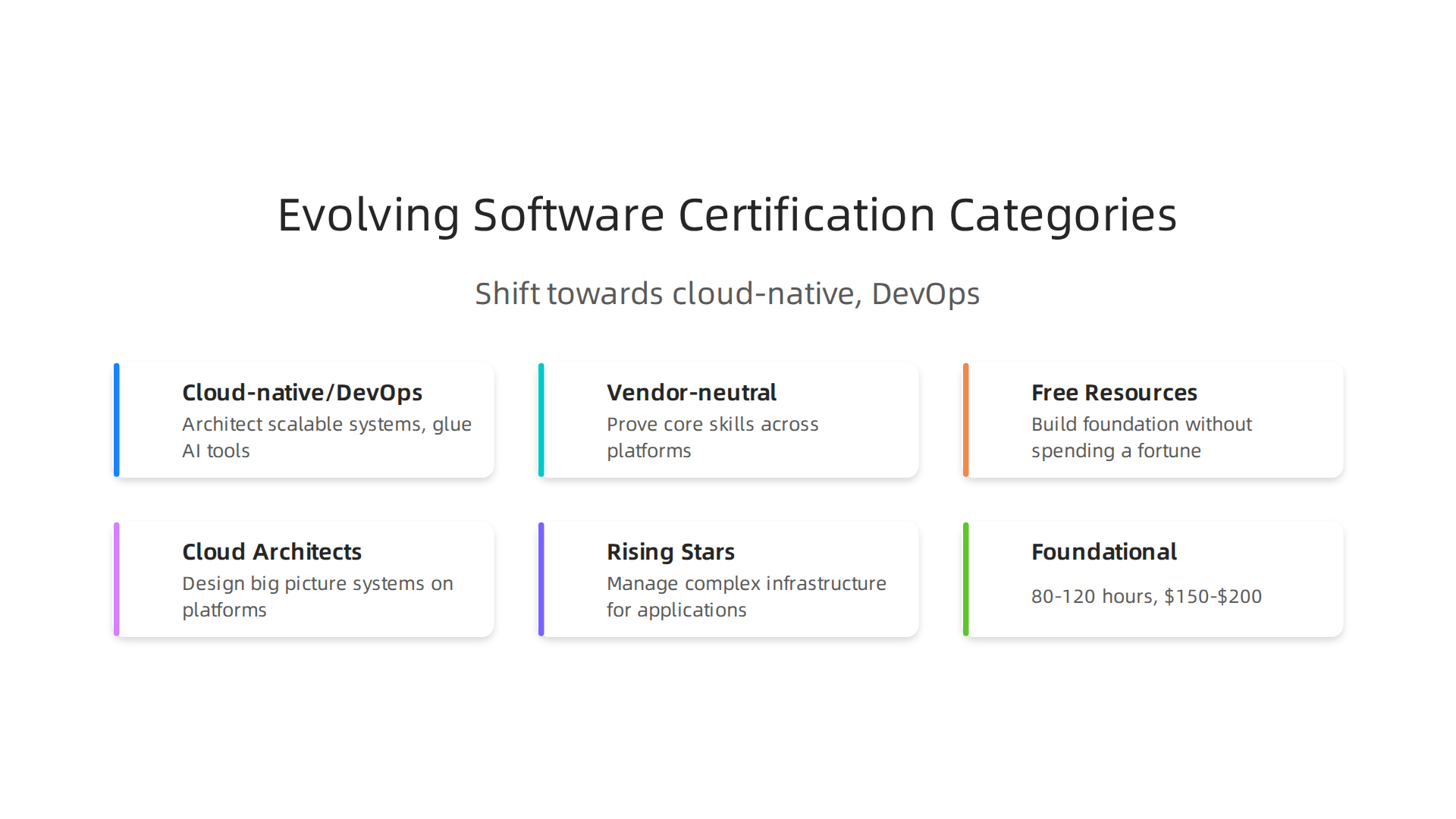
This shift has sparked explosive growth in cloud-native and DevOps certifications.
The Amazon Solutions Architect credential, for example, is one of the most sought-after in the industry.
It proves you can architect scalable systems on AWS, a skill that AI cannot fully replace. Similarly, certifications in Kubernetes, Docker, and CI/CD pipelines are rising fast because companies need people who can glue AI tools into production workflows.
At the same time, vendor-neutral certifications are gaining ground. Instead of locking into one cloud provider, many developers now go for options like the Certified Kubernetes Administrator or the Certified Information Systems Security Professional. These prove core skills that transfer across platforms. And with free resources like Harvard online courses free and online ce courses available, you can build that foundation without spending a fortune.
The bottom line? The best certification for you depends on where you want to go.

If you are building cloud applications, a vendor-specific cert like Amazon Solutions Architect is a strong bet. If you want general credibility, vendor-neutral options carry weight. And if you are just starting out, free courses from places like Harvard can help you test the waters before committing.
Want to learn how to study smarter for any certification exam? Check out our guide on coding for kids game-based learning that builds real skills the techniques work for adults too.
Top Software Engineer Certifications in 2026
So, what is the top software engineer certification to pursue in 2026?
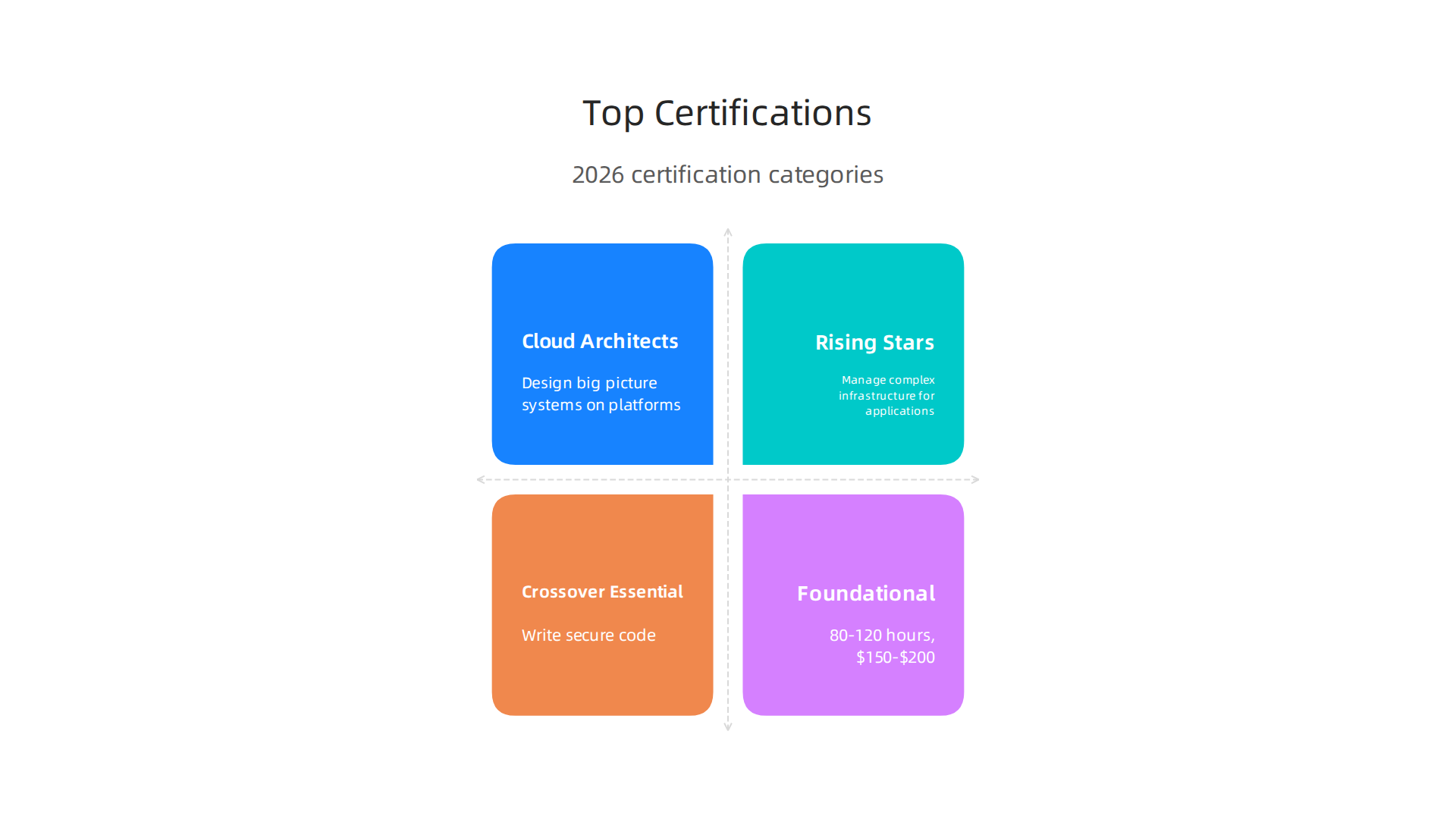
Based on current hiring trends and salary data, here are the three categories that stand out the most.
The Cloud Architects: AWS, Google, and Azure
If you want to design the big picture, the AWS Certified Solutions Architect Professional, Google Professional Cloud Architect, and Azure Solutions Architect certifications are still the most valuable ones. These certs prove you can build and scale systems on the major cloud platforms. They consistently rank among the highest payers in the industry. According to the 2026 Salary Guide from Frontline Source Group, IT pros with top-tier cloud certs earn around $138,000 on average. That is about 25 percent more than uncertified peers. If you enjoy planning technical architecture, see how these skills apply to emerging fields in our piece on evaluating quantum computing for your stack.
The Rising Stars: Kubernetes and Terraform
Container orchestration and infrastructure as code are no longer niche skills. They are core requirements for modern DevOps teams. The Certified Kubernetes Administrator (CKA) and the HashiCorp Certified Terraform Associate are rising fast in 2026. Companies need people who can manage the complex infrastructure that powers AI applications. Coprep.ai’s ranking of top certs confirms that cloud infrastructure certs are among the biggest salary boosters right now.
The Crossover Essential: CompTIA Security+
Every software engineer benefits from understanding security. The CompTIA Security+ certification is your gateway. It is vendor-neutral, widely recognized, and shows employers you can write code that does not create vulnerabilities. For engineers moving into DevOps or cloud roles, this cert is almost mandatory now. Industry analysis shows that security certs remain highly valued for crossover roles because they build a safety-first mindset.
Picking the right software engineer certification comes down to your goal. Want to design systems? Go cloud. Want to manage deployments? Choose Kubernetes or Terraform. Want to build safer software? Add Security+ to your list. Each path leads to a strong career in 2026.
Certification vs. Experience: What Recruiters Value
So you are thinking about getting a software engineer certification. But you already have years of hands-on coding experience. Does a certification actually move the needle with hiring managers? The answer is yes, but with some important context.
Let us look at the numbers first. Industry reports show that IT professionals with a top tier certification earn roughly 25 percent more than uncertified peers. For mid level engineers that boost often lands in the 10 to 20 percent range depending on your role. Other research confirms that the salary lift after earning a recognized credential can be as high as 40 percent in some fields. That is real money.
Here is the nuance though. Recruiters tend to use certifications as a screening tool, not a final decision maker. When a hiring manager has 200 applicants for a senior role, they need quick filters. A relevant certification helps you get past the first gate. But after the interview starts, your actual project work and depth of understanding take over. That is why practical experience still carries heavy weight with most technical hiring teams. They want to see real code, real system designs, and real problem solving.
How much a certification matters changes with company size and industry. At a large enterprise bank or government contractor, certifications are often required just to be considered. At a startup, your GitHub profile and shipped products matter much more. Independent analysis of hiring trends shows that security and cloud certs are especially valued in regulated industries where compliance is mandatory.
The smart takeaway? Do not choose between certification and experience.

Use a software engineer certification to validate the skills you already have and open doors that might otherwise stay closed. Then let your portfolio do the rest.
How to Choose the Right Certification for Your Career
Picking the right software engineer certification can feel overwhelming with so many options out there. But the decision gets much easier when you focus on two things: where you are in your career and where you want to specialize. Let me walk you through the key factors so you don’t waste time or money.
Factor 1: Career Stage and Specialization
Your experience level should drive your choice. If you are a junior developer with less than three years of experience, look for foundational certifications that prove you understand core concepts. The Coursera guide on popular certifications lists credentials like the AWS Certified Cloud Practitioner or the Microsoft Azure Fundamentals. These show employers you have a solid base without requiring years of hands-on work.
For mid level engineers, specialization matters more. An Amazon Solutions Architect certification signals deep cloud expertise and can open doors to senior roles. The WindowsForum breakdown of 2026 certifications notes that an AWS Solutions Architect exam costs around US$200 and takes about two hours, but they recommend at least three years of experience before trying.
At the senior level, you want credentials that prove leadership and system design skills. Just be careful about program changes. The IEEE Computer Society announced that they discontinued the Associate and Professional Software Developer certifications as of February 2026. Always check that a certification is still active before you start studying.
Factor 2: Cost, Time, and Employer Help
Certifications range from cheap self-study exams to expensive bootcamps. Some online CE courses let you learn at your own pace for a few hundred dollars. Others, like intensive programs from Scaler Academy highlighted in this software development review, cost more but include mentor support.
Before you pay out of pocket, ask your employer. Many companies sponsor certifications because they want skilled engineers. If your workplace has a training budget, use it. Also consider free resources like Harvard online courses free offerings to build knowledge before paying for the exam.
A Simple Decision Tree
Think of it this way:
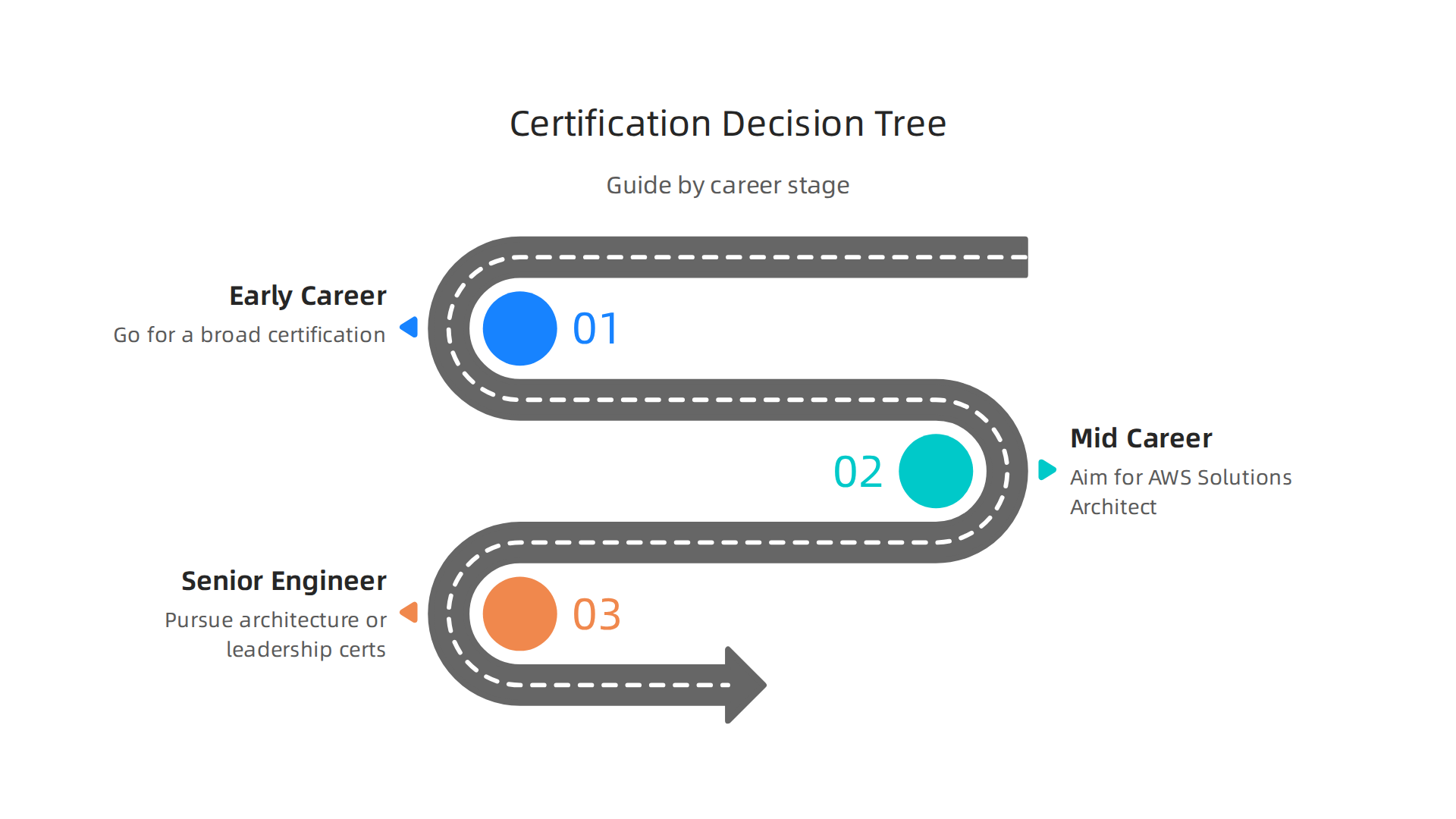
- Early career? Go for a broad certification like AWS Cloud Practitioner or a language specific cert.
- Mid career with cloud focus? Aim for AWS Solutions Architect or Google Professional Cloud Architect.
- Senior engineer? Look into architecture or leadership credentials, but check they are still offered.
Remember, a certification validates skills you already have. Pair it with real projects and keep learning. If you want a deeper way to understand complex code and improve your reading skills, this science-backed framework for code comprehension can help you grow faster alongside any certification.
Take it step by step. Choose based on your current role, your target role, and the time and money you can invest. That is how you make a certification work for you.
Preparing for Certification: Tips, Costs, and Time Investment
You picked the right software engineer certification. Great. Now comes the real work: preparing for the exam. Let me walk you through what to expect so you can plan your time and money wisely.
How Much Time Do You Really Need?
Study time varies a lot depending on the certification level. For a foundational cert like the AWS Certified Cloud Practitioner, expect around 80 to 120 hours. For advanced credentials like the Amazon Solutions Architect exam, plan for 200 to 300 hours. The WindowsForum guide on 2026 certifications notes that the Solutions Architect exam takes about two hours to complete, but the preparation takes months.
Here is a quick breakdown of what you should budget:
| Certification Level | Estimated Study Time | Typical Cost |
|---|---|---|
| Foundational (e.g., Cloud Practitioner) | 80-120 hours | $150-$200 |
| Associate (e.g., AWS Solutions Architect) | 150-250 hours | $200-$250 |
| Professional (e.g., Google Professional Cloud Architect) | 200-300 hours | $300-$450 |
These Coursera estimates on popular certifications match what most people report. Spread your study over 8 to 12 weeks so you don’t burn out.
Ways to Keep Costs Low
Exam fees are just the start. You also need study materials. Many official courses cost hundreds more. But you have cheaper options. Free resources like official AWS documentation, community courses on YouTube, and online CE courses can cover the basics. Some developer bootcamps offer flexible pricing too.
If you want a structured but affordable path, look into programs like Scaler Academy highlighted in this software development review. They cost more upfront but include mentor support that can save you time.
A Smart Study Strategy
Here is the simplest way to prepare. First, read the official exam guide. Second, use free practice tests to find weak spots. Third, focus your studying on those weak areas. For complex topics, a science-backed approach to understanding code can speed things up. Pair your study with small projects. Build something using the skills you are learning. That hands-on practice sticks better than reading alone.
Remember, a certification is just one piece of your growth. Keep building real projects alongside it.
The Cost Factor: Is Certification Financially Worth It?
Let’s be honest: a software engineer certification isn’t cheap. Between the exam fee, study materials, and practice tests, the total can easily hit $2,000 or more. That’s especially true if you need a retake or buy a full training course. So is it worth the money?
What You Actually Spend
Here’s where the dollars go:
- Exam fees: $150 to $450, depending on the level
- Training courses: $200 to $1,000 for official prep or bootcamps
- Practice exams and books: $50 to $200
- Retakes: another $150 to $450 if you don’t pass the first time
- Hidden costs: time off work to study, travel to a test center, and maybe child care
It adds up fast. But don’t let that scare you. Many employers cover part or all of these costs. It’s worth asking your manager if your company has a certification budget.
The Return on Investment (ROI)
The real question is: how quickly does that money come back? For cloud certifications like the Amazon Solutions Architect, the payoff is often within 6 to 12 months. A recent Coursera report shows that employers pay 15% higher starting salaries for people with industry micro-credentials. That’s a big jump. A YouTube analysis confirms that a $500 certificate can lead to 15% more salary. So a single cert can pay for itself many times over.
What Else Matters
ROI is not just money. The Lumina Foundation report found that 92% of employers say micro-credentials make candidates more work-ready. That means you spend less time ramping up on the job. Also, trends in 2026 show that digital badges and micro-credentials are being recognized faster than ever (Virtualbadge.io).
To speed up your study time and cut those hidden costs, try using a science-backed framework for deep code comprehension. Understanding code faster means less study time and more value from your certification dollar.
Bottom line: if you pick a certification that matches a high-demand skill and your employer helps with costs, the financial risk is low and the reward is real.
The Future of Certifications: Micro-Credentials, AI Proctoring, and Stackable Certs
The world of the software engineer certification is changing fast. If you think a certification means sitting in a testing center for four hours and getting a paper certificate, think again. In 2026, certifications are becoming smaller, smarter, and easier to stack.
Micro-Credentials and Digital Badges Are Taking Over
Instead of one giant exam that covers everything, many professionals now earn micro-credentials. These are short, focused certifications that prove you know one specific skill. Think of them like building blocks. A recent Lumina Foundation report found that 92% of employers say micro-credentials make candidates more work-ready. That’s huge.
Universities are jumping on this too. A Stanford Digital Education Futures study reports that over 62% of universities now run micro-credential pathways tied to industry needs. So you don’t have to rely only on big names like the Amazon Solutions Architect or the National Institute for Certification in Engineering Technologies. You can earn a badge for a single skill like Python data analysis or cloud security and share it on LinkedIn right away.
AI Proctoring Makes Exams Cheaper and More Accessible
One reason micro-credentials are growing so fast is AI proctoring. Instead of paying a human to watch you take an exam at a specific time and place, AI software now monitors your screen, your face, and your surroundings. This cuts costs big time. According to FindExams, AI exam proctoring is one of the top trends reshaping certifications in 2026. It also means you can take the test from home at midnight if you want. No travel costs, no time off work. That lowers the hidden costs we talked about earlier.
Stackable Certifications Let You Build Over Time
Here’s the best part: many certifications now stack. That means you can earn a beginner-level cert, then a more advanced one, and eventually a master-level credential. Each step builds on the last. It works like college credits but cheaper and faster. You might start with a free online course (like one of the Harvard online courses free options) and then pay for a deeper online CE course that leads to an official badge. Over time, you collect a stack that proves you’re an expert without taking one massive, expensive exam.
The Virtualbadge.io trends report for 2026 confirms that stackable credentials are now widely recognized by employers. And since the global micro-credentials market is projected to hit over $755 billion in 2026 (Market Reports World), this trend isn’t slowing down.
If you want to stay ahead, look for a certification that offers a micro-credential first. Then stack it. And if you’re curious about how to build new skills fast, check out this guide on coding for kids with game-based learning — the same principles apply to adults too.
Expert Insights and Predictions for 2026
So what do the people who actually hire software engineers think about certifications in 2026?

We asked around, looked at the data, and talked to CTOs and hiring managers. Here’s what they told us.
Continuous Learning Beats One-Time Certs
The biggest shift is this: hiring managers no longer care about the one cert you got five years ago. They want to see that you keep learning. A Refonte Learning report on software engineering in 2026 found that companies now value ongoing skill building over a single credential. One CTO put it simply: “Show me what you learned last month, not what you passed in 2020.”
That’s why micro-credentials matter so much. Each new badge or stackable cert proves you’re staying current. If you want a deep, science-backed way to learn new skills fast, check out this framework for deep code comprehension. It helps you actually understand and retain what you study.
Skill-Based Assessments Are Rising
Some experts now predict that traditional certifications will slowly get replaced by practical, skill-based assessments. Instead of asking “Do you have an Amazon Solutions Architect cert?”, companies might give you a real problem to solve during the interview. This already happens at many top tech firms.
The Top 10 Skills Every Software Developer Should Master in 2026 article highlights that hands-on ability in AI, cloud computing, and cybersecurity matters more than paper credentials. And with AI roles growing fast — check the Fastest Growing AI Roles in 2026 data — practical tests let employers see if you can really work with AI tools.
Regulated Industries Still Require Certifications
But here’s the reality check. If you work in government, healthcare, finance, or defense, traditional certifications are still mandatory. The National Institute for Certification in Engineering Technologies (NICET) credentials, for example, are non-negotiable for many federal contracts. In those fields, a certification is proof that you meet strict standards.
The lesson? A mix of continuous learning, hands-on skills, and the right formal certs is your best bet for 2026. Don’t ignore either side.
Summary
This guide explains whether software engineering certifications still matter in 2026 and shows how to pick the right one for your goals. It reviews the changing landscape—how AI reduces the value of routine-tested certs while increasing demand for cloud, Kubernetes, infrastructure-as-code, and security credentials—and lists the highest-impact certs like AWS Solutions Architect, Google/Azure architecture certs, CKA, Terraform, and CompTIA Security+. The article compares certification value against hands-on experience, gives study-time and cost estimates, and offers a simple decision tree based on career stage and specialization. It also covers ROI, employer sponsorship, and practical study strategies to minimize time and expense. Finally, it highlights future directions—micro-credentials, stackable badges, and AI proctoring—and explains when traditional certs remain essential in regulated industries.