
Junior Software Engineer 2026 Skills Hiring Career Roadmap
· 24 min read

Why this guide matters for aspiring and new junior software engineers
Starting your journey as a junior software engineer in 2026 can feel like walking into a maze. The world of software is always changing, and it’s easy to get lost in all the new information. Many new engineers feel unsure about which skills truly matter or how to make the right choices early in their careers.

You might feel overwhelmed by countless articles, courses, and opinions on what you should learn next.
The truth is, the market for a junior software engineer is tougher than ever. Job postings for entry-level software engineer roles were down significantly in 2026 compared to past years, making it harder to get your foot in the door

Junior engineer market in 2026: what changed. This means you need a clear plan to stand out. Should you focus on getting a specific guide to software engineering degrees for your 2026 tech career, aim for specific software engineering internships, or spend your time on a certain software engineer course? It’s a lot to figure out.
This guide is here to help you cut through the confusion. We promise to give you clear, actionable steps and advice that is backed by real facts. We will show you realistic pathways to build a successful career, not just for today but for the future. You’ll learn what skills companies are truly looking for in 2026 and how to make smart choices that will help you grow. Our goal is to make sure you have the tools to navigate this exciting but challenging field with confidence.
To help you stay on top of the rapid changes in tech and understand how AI is reshaping the industry, we suggest you check out The AI Newsletter Worth Reading for daily insights.
Understanding Junior Software Engineer Roles & Expectations
Now that you know how important it is to have a clear path, let’s look at what being a junior software engineer actually means in 2026. This job is more than just writing code. It comes with certain tasks, things you need to deliver, and special expectations, especially in your first year.
What Does a Junior Software Engineer Actually Do?
As a junior software engineer, your main job is to help build and fix software. This often means:
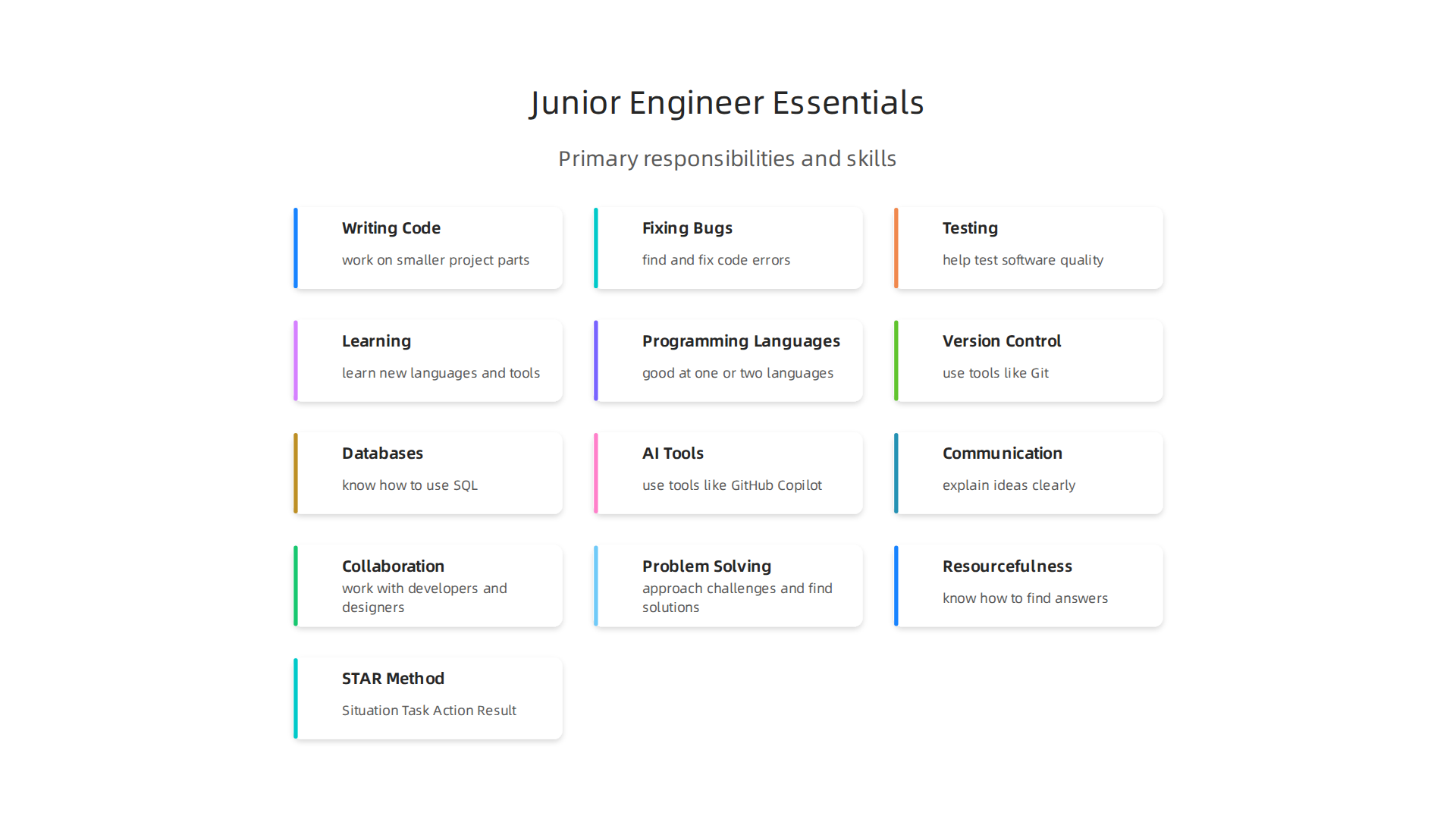
- Writing new code: You’ll work on smaller parts of a bigger project, adding new features or making small improvements.
- Fixing bugs: You’ll find and fix errors in the code. This is a great way to learn how the system works.
- Testing: You’ll help test software to make sure it works correctly before it’s given to users.
- Learning: A big part of your role is to constantly learn new programming languages, tools, and company processes.
Your tasks will usually be well-defined. This means a senior engineer or your manager will give you clear instructions. They don’t expect you to know everything right away. Actually, research from 2026 shows that the way junior roles are defined is changing, partly because new tools like AI are helping with some basic coding tasks Impact Of Generative AI On Early Career Growth In 2026. So, learning to work with these new tools is also key.
To understand how your career might grow, it helps to see how different companies set up their engineering teams. You can learn more about defining developer levels to build clear engineering career paths.
How Company Size Changes the Job
The daily work of a junior software engineer can look very different depending on the size of the company:
- Startups (Small Companies):
- You might wear many hats. This means you could work on many different types of tasks, from fixing server issues to helping with how a website looks.
- There might be less formal training or mentorship. You might learn a lot by doing and asking questions directly to senior team members.
- Your impact can feel bigger faster, but it also means more responsibility early on.
- Larger Companies (Big Tech or Enterprise):
- Your role will likely be more focused. You might work only on a specific part of a product, like the backend or the mobile app.
- There’s usually a clear path for growth and strong mentorship programs. Big companies like Microsoft define clear levels for junior engineers, often for those with 0 to 2 years of experience

Microsoft Engineering Levels and Salary.
* You’ll likely work with larger teams and more structured processes for managing code.
No matter the company size, the goal is always to deliver good quality work. If you want to dive deeper into how software gets built in a planned way, check out mastering the software development lifecycle models AI and best practices for 2026.
What to Expect in Your First Year
The first year as a junior software engineer is mostly about learning and getting comfortable. Here’s what companies usually expect:
- Ramp-Up Time: It’s normal to take a few months to truly understand the company’s code, tools, and way of doing things. Don’t feel bad if it takes time to get up to speed.
- Code Ownership (Small Pieces): You won’t be in charge of major parts of the system right away. You’ll likely own smaller features or bug fixes, which helps you learn the ropes without too much pressure.
- Mentorship: Good companies will pair you with a more experienced engineer who can guide you, answer questions, and review your code.

This support is very important.
- Asking Questions: Don’t be afraid to ask for help! Asking smart questions shows you’re engaged and eager to learn. This is much better than struggling in silence.
- Growth Mindset: Companies want to see that you’re open to feedback and always trying to improve. This is more important than knowing everything from day one.
The average salary for a junior software engineer in the United States typically falls between $48,500 and $80,000 in 2026, though top earners can make up to $97,000 annually Junior Engineer Salary (August, 2026) United States. This range can vary a lot based on location, company, and specific skills. Focusing on continuous learning and showing a strong work ethic will help you grow your skills and your earnings over time.
The first year for a junior software engineer is all about learning. But what exactly should you be learning? Employers in 2026 are looking for a mix of solid technical know-how and strong people skills. It’s not just about writing code anymore; it’s also about how you think, solve problems, and work with others.
Key Technical Skills You’ll Need
When you’re starting out as a junior software engineer, you don’t need to know every programming language. Instead, focus on a few key areas that build a strong base.
- Programming Languages: You should be good at one or two main languages, like Python, Java, or JavaScript. These are the tools you’ll use to build and fix software every day. Learning to write optimized code is also important Software Engineer Skills: Top 16 Essential Skills for 2026.
- Coding Fundamentals: This means understanding how to use basic programming ideas (like data structures and algorithms) to solve problems. This helps you write code that works well and fast.
- Version Control: Tools like Git are super important. They help teams work on the same code without messing things up. You’ll use Git to save your work, share it, and bring changes from others into your own code. Being comfortable with Git is a foundational skill for junior developers in 2026 What skills/languages should I learn to apply for a Junior ….
- Databases: Most apps need to save information. Knowing how to use databases, especially with SQL, is a big plus.
- Testing and Debugging: Software often has bugs. Knowing how to test your code to find these bugs and then fix them is a very important skill. Debugging real systems is a top skill for junior developers in 2026 10 Skills That Every Junior Developer MUST Have in 2026.
- Working with AI Tools: In 2026, AI-assisted coding is common. Employers want to see that you can use tools like GitHub Copilot or Claude Code to help you write code faster and smarter. You also need to be able to check the AI’s output to make sure it’s correct The 2026 Junior Developer Survival Guide: 5 Skills That Actually …. Actually, AI tool fluency is now a core expectation for software engineers Software Engineer Skills in 2026: What the Job Now Expects.
When it comes to learning these, it’s better to go deep on a few things rather than trying to learn a little bit about everything. Strong foundational skills make you a good learner, which is what companies really want. If you’re looking for structured learning, many online options can help you master programming language fundamentals in 2026.
Essential Soft Skills
Beyond technical skills, how you act and interact with others is just as important. These "soft skills" can make a big difference in your career as a junior software engineer.
- Communication: You need to be able to explain your ideas clearly, whether you’re talking to your team or writing documentation. Asking good questions is part of this.
- Collaboration: Software is built in teams. You’ll work with other developers, designers, and project managers. Being a good team player means listening, sharing, and helping out.
- Problem-Solving: This isn’t just about fixing bugs. It’s about how you approach new challenges, break them down, and find solutions. Strong problem-solving skills are essential for junior software engineer positions Junior Software Engineer Skills (Plus How to Improve Them).
- Learning Agility: The tech world changes fast. Employers want people who are eager to learn new things and adapt to new tools and ways of working. A "growth mindset" is highly valued.
- Resourcefulness: Knowing how to find answers on your own, whether through searching online or digging through existing code, is a huge plus. This can help you grow your income too What Skills Software Engineers NEED in 2026.
Learning agility and good communication are actually the soft skills that employers look for most when hiring new software engineers 9 Junior Software Engineer Skills for a Successful Career.
How to Show Your Skills
When you’re applying for software engineering internships or full-time roles, you need to show you have these skills.
- Projects: Build things! Personal projects, even small ones, show that you can apply your technical skills.
- Open Source Contributions: Helping out on public code projects shows you can work with others and understand existing codebases.
- Experience: Any real-world experience, like
software engineering internships, is great. If you don’t have internships yet, focus on building your own projects. You can even find software engineer projects on Reddit. - Resume and Interviews: Make sure your
software engineer resume templatehighlights these skills. In interviews, be ready to talk about how you’ve used them.
Staying informed about new tech trends, especially in AI, is also key.
Get clear daily AI updates from The AI Newsletter Worth Reading.
When you’re ready to find a job as a junior software engineer, you need more than just skills. You need to show them off in a way that gets noticed. Your projects and resume are your tickets to interviews.
Choosing Projects That Stand Out
Projects are super important for showing what you can do. Don’t just build anything; think about what will catch an employer’s eye.
- Focus on "Real" Problems: Try to build things that solve a real problem, even a small one. Employers in 2026 want to see that you can make something useful, not just follow a tutorial. Building real commercial projects is one of the top skills that will get you hired as a junior developer The ONLY 5 Junior Developer Skills That Will Actually Matter in 2026.
- Show Your Thought Process: It’s not enough to just show code. Explain why you made certain choices. Talk about any challenges you faced and how you fixed them. This shows your problem-solving skills. You should be able to explain the architectural choices you made, not just what you coded Top Software Engineer Skills for 2026: What Actually Matters ….
- Make a Good README: Every project on your GitHub should have a clear
READMEfile. This is like a guide for your project. It should explain what the project does, how to set it up, and how to use it. - Record a Demo: If your project has a visual part (like a website or app), make a short video of it working. This makes it easy for hiring managers to see your work without having to run your code themselves.
If you’re looking for ideas or need guidance on how to start, many resources can help you learn to code 2026 with practical, real-world projects.
Crafting a Winning Resume
Your software engineer resume template is often the first thing a company sees. It needs to be clear, easy to read, and highlight your best skills.
- Keep it Simple and Clear: Hiring managers look at many resumes. Use a clean layout. Make sure your most important skills and experiences are easy to find.
- Highlight Your Projects: For a
junior software engineer, your projects are very important. List your best ones and briefly explain what they do and the skills you used. Remember to show the impact, not just the features. - Show Soft Skills: Don’t just list technical skills. Mention your communication, teamwork, and problem-solving abilities. You can do this by talking about how you worked with others on a project or how you solved a tough bug.
- Use Keywords: Look at the job descriptions for
software engineering internshipsor junior roles you want. Use similar words in your resume. Many companies use tools to scan resumes for keywords. - Tailor It: Change your resume a little bit for each job you apply for. Make sure it matches what that specific company is looking for. Thinking about what companies look for when they how to hire a full-stack developer in 2026 can help you understand what to include.
Preparing for Interviews
Once your resume gets noticed, you’ll need to talk about your skills and projects in an interview. Be ready to explain your projects in detail. Practice talking about the challenges you faced, how you overcame them, and what you learned. Show your passion for technology and your eagerness to learn and grow.
Getting your resume noticed is a big step, but the interview is where you truly shine. It’s your chance to talk about your skills and show who you are. Interviews for a junior software engineer role usually have two main parts: technical questions and behavioral questions. Being ready for both will help you do your best.
Technical Interview Practice
Technical interviews check your coding skills and how you think. They want to see if you can solve problems.
- Practice Coding Challenges: Many companies give you coding problems to solve. These often involve algorithms and data structures. You can find lots of practice problems on websites made for this. Spending time on these kinds of problems is key for
software engineering internshipsand full-time roles. Practice makes perfect, and understanding different problem types will make you feel more confident 30 common software engineer interview questions for 2026. To boost your skills, you can even explore options like Master Developer Skills with Free Online Harvard Courses in 2026. - Understand System Design Basics: For a
junior software engineer, you probably won’t need to design big, complex systems from scratch. But it helps to know how different parts of software work together. You might be asked about how a simple web application would handle many users or store data. This shows you understand the bigger picture of software development Software Engineer Interview Rubric 2026: How Companies Evaluate …. - Do Mock Interviews: Talking about code and problems out loud is different from just coding by yourself. Try doing practice interviews with friends, mentors, or even online tools. This helps you get used to explaining your thoughts and solving problems under a bit of pressure. These sessions can help you prepare for the Top 40 Software Engineer Interview Questions in 2026. Many junior roles also include a phone or video screen to check basic technical knowledge and communication Entry-Level Software Engineer in 2026: How to Get Hired When ….
Behavioral Interview Strategies
Behavioral interviews are about your personality, how you work with others, and how you handle challenges. They want to know if you’ll be a good fit for their team.
- Use the STAR Method: This is a great way to answer questions about your past experiences.
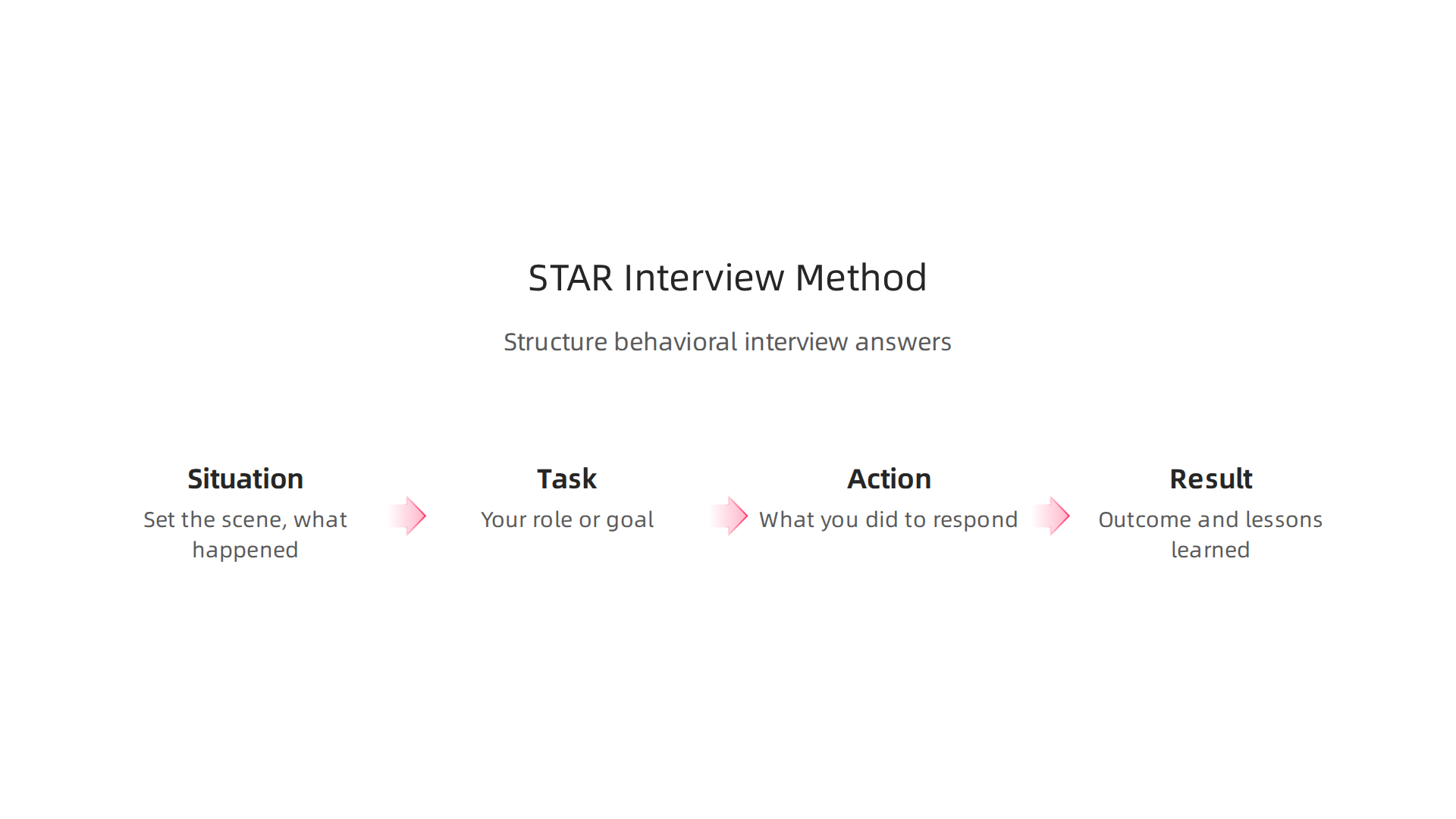
*   **S**ituation: Set the scene. What was happening?
*   **T**ask: What was your job or goal?
*   **A**ction: What did you do to achieve it? Be clear about *your* specific actions.
*   **R**esult: What was the outcome? What did you learn?
Using this method helps you give clear, complete answers [Top 5 Questions To Prepare](https://dev.to/__be2942592/how-to-prepare-for-tech-interviews-the-complete-2026-guide-4nb).
- Handling Feedback: Be ready to talk about a time you received feedback and how you used it to get better. This shows you’re open to learning and growing.
- Negotiating Offers: When you get an offer, it’s okay to talk about the terms. Do some research on what salary a
junior software engineerusually earns in your area. Be polite and professional. It’s about finding a fair agreement for both you and the company.
Staying up to date on new technologies, like AI, can also make you a more attractive candidate. Get clear daily AI updates to stay sharp and informed. Check out The AI Newsletter Worth Reading.
Getting the job offer is a huge win, but your learning journey as a junior software engineer is just starting. The first few months are all about getting used to your new team and how things work.
Your First 90 Days: Learning the Ropes
The first 90 days in any junior software engineer role are very important. This is when you soak up new information and show you’re a valuable part of the team.
- Learn the Codebase: Every company has its own way of writing code. Your main task will be to understand the existing code that makes the software work. Don’t be shy to ask questions. Look at past changes, read documents, and try to fix small bugs to learn how things connect. This helps you understand the different parts of software development.
- Understand Testing: Good software needs good testing. Learn what tests are expected for your code. This includes knowing how to write your own tests and how to use the company’s testing tools. Making sure your code works well and doesn’t break other parts is key.
- Communicate Clearly: Talk to your team often. Let them know what you’re working on, if you’re stuck, or if you’ve found something cool. Good communication helps everyone stay on the same page and makes you a better team player. You can find more tips for new software engineers on how to succeed from resources like How to CRUSH Your New Grad Junior Software Engineer.
Setting Goals and Growing Your Career
Beyond the first few months, thinking about your future growth is smart. A junior software engineer has many paths to explore.
- Set Early-Career Goals: Think about what you want to achieve in the next year or two. Do you want to become really good at a certain programming language? Or maybe learn how to work on different kinds of projects? Having goals helps you focus your learning.
- Handle Feedback Positively: You will get feedback on your work. It might be about your code or how you work with others. See this feedback as a gift. It helps you grow and get better. Always be open to learning from others.
- Map Your Skill Path: Think about what skills you need to move from a
junior software engineerto a mid-level role. This might mean learning new tools, understanding more complex system designs, or taking on bigger tasks. Exploring things like how companies define developer levels can give you a clearer picture of what’s expected at each stage. Many companies also offer programs or asoftware engineer courseto help you grow. Staying sharp with what’s new in technology will keep you ready for the next step in your career.
As a junior software engineer, growing your skills is a big part of your job. Luckily, in 2026, we have many smart tools to help. Artificial intelligence (AI) has changed how we write code and learn new things, making it easier to become a great developer. These tools can help you learn faster and get more work done, but you need to know how to use them the right way.
How AI Helps You Learn and Work Faster
Think of AI tools as helpful assistants that can speed up your learning and boost your work. They do this in a few key ways:
- AI-Assisted Coding: These tools can suggest code as you type, complete lines of code for you, or even write whole functions based on what you need. This is great for a junior software engineer because you can see examples of how things are done. Tools like GitHub Copilot are very popular for this. Many developers in 2026 use AI coding tools to make their work smoother and faster, as highlighted in lists of the Best AI Coding Assistants in 2026. It’s like having a senior developer always ready to offer advice on what code to write next.
- Smart Document Search: When you join a new team, there can be tons of documents explaining how the software works. AI tools can help you quickly find the information you need by understanding your questions, even if they’re not perfectly worded. This means less time searching and more time understanding.
- Code Review Tools: Getting feedback on your code is important for growth. AI-powered code review tools can look at your code and point out possible mistakes, suggest improvements, or check if it follows company rules. This helps you learn about common issues and best practices before a human team member even looks at it.
Using AI Tools Safely and Smartly
While AI tools are powerful, using them well means more than just turning them on. For any junior software engineer, learning how to use these tools carefully is a key skill.
- Be Smart with Your Prompts: When you ask an AI for help, the way you ask matters. Being clear and specific with your "prompts" or questions helps the AI give you better answers. This is often called writing better AI prompts. The better your question, the better the AI’s help.
- Always Check the AI’s Work: AI tools are not perfect. They can sometimes give you wrong or incomplete code. Always double-check what the AI suggests. Make sure it works, makes sense, and is secure before you add it to your project. Think of the AI as a helpful assistant, not a replacement for your own thinking. Learning how to use AI for software development in 2026 involves this important step of verification.
- Keep Security in Mind: Be careful not to share sensitive company information with public AI tools. Many companies have rules about what you can and cannot put into AI. Always understand these rules to keep your company’s code and data safe.
By using these AI tools wisely, you can accelerate your learning as a junior software engineer and become a more productive member of your team in 2026 and beyond. Staying updated on the latest AI trends is a smart move for any developer.
The world of AI is moving fast. If you want to keep up with the newest developments and how they impact software engineering, there’s a great resource. Get clear daily AI updates from The AI Newsletter Worth Reading.
Learning how to use new tools like AI is a great start. But as a junior software engineer, it’s also important to understand your career path. This includes knowing about job titles, how long it takes to grow, and what to expect for your salary. Let’s look at how to navigate these parts of your software engineering journey.
Navigating Compensation, Titles, and Career Pathways
When you start as a junior software engineer, you’ll hear different job titles. These titles often show your level of experience and how much responsibility you have. Most companies use a path that goes from junior to mid-level to senior, and then often to lead or staff engineer.
- Junior Software Engineer: This is where you usually begin. You might have 0 to 2 years of experience. You focus on learning, doing tasks with clear instructions, and asking questions.
- Mid-Level Software Engineer: After a few years, maybe 2 to 5, you can become a mid-level engineer. You can work more on your own and solve harder problems. You might even help guide new junior engineers.
- Senior Software Engineer: With 5 or more years of experience, you can reach the senior level. You are expected to solve complex problems, lead projects, and mentor others.
Moving from a junior role to a mid-level role often takes about 1.5 to 3 years. This can depend on how quickly you learn and the opportunities at your company. Knowing these steps helps you plan your growth. You can learn more about how companies think about different levels in their engineering teams by looking at how they define developer levels. For example, a big company like Microsoft shows that a Junior Engineer usually has around 0-2 years of experience and a specific pay range in different regions, like the U.S., U.K., and India, as noted in their Microsoft Engineering Levels and Salary guide.
How Your Pay Changes
Your salary as a software engineer depends on a few things:
- Your Location: Where you live makes a big difference. Cities with a lot of tech companies, like in the U.S. or parts of Europe, usually pay more. For example, in the United States in 2026, a junior engineer’s salary often ranges from about $48,500 to $80,000 per year, but top earners can make up to $97,000 annually according to one report on Junior Engineer Salary in the United States. Another guide suggests junior software engineers typically earn between $70,000 and $120,000 annually, including bonuses, in 2026 according to A Practical Guide to Your Junior Software Engineer Salary. In Europe, a junior engineer might make around €45,000 to €55,000 in Germany or £32,000 to £42,000 in the UK in 2026, as shown in the European Tech Salaries in 2026: The Complete Guide.
- Company Size and Type: Big, well-known tech companies often offer higher salaries and better benefits. Startups, on the other hand, might offer a bit less cash but could give you company stock or more chances to learn fast.
- Your Skills: The more valuable skills you have, especially in new areas like AI, the more you can earn.
Negotiating Your Salary and Choosing Roles
It’s okay to negotiate your salary, even as a junior software engineer. Do some research to know what similar jobs pay in your area and for your experience level. Sites like Glassdoor and ZipRecruiter are good for this. If you get a job offer, you can politely ask for a bit more if you feel it’s fair.
When picking a role, think about what’s most important to you right now. Do you want the highest possible pay, or do you want to learn as much as you can? Sometimes, a role that pays a little less but offers great mentorship and challenging projects can lead to bigger paychecks down the road. Some companies also offer amazing software engineering internships that are a great way to start your career.
Looking for roles that offer strong learning environments can be just as important as the initial salary. Staying informed about computer science jobs 2026 and continuing your education through a solid software engineer course can also help you grow your career and earning potential. It’s all about making smart choices for your long-term career growth.
Summary
This guide helps aspiring and new junior software engineers navigate the tougher 2026 job market with clear, practical steps. It explains what junior engineers actually do, how expectations change by company size, and what to expect in your first year on the job. You’ll learn which technical fundamentals (languages, Git, databases, testing) and soft skills (communication, collaboration, problem-solving) matter most, plus how to show those skills through projects, open-source, and tailored resumes. The article covers interview preparation—both coding practice and behavioral strategies—and offers a playbook for using AI tools responsibly to speed learning and development. It also outlines realistic career progression, typical salary ranges, and tips for negotiating and setting goals so you can grow from junior to mid-level with intention.