
Master Developer Skills with Free Online Harvard Courses in 2026
· 22 min read

Why Harvard’s Free Online Courses Matter for Developers
Keeping up with new tech is super important for anyone working with software today.

It can feel like a big job to learn new skills and keep your knowledge fresh. That’s why having access to trusted learning materials is a game-changer. This is where free online Harvard courses come in. They offer a unique chance for developers to learn from one of the best schools in the world without spending a lot of money.
Harvard University has made some of its best educational materials available online for free in 2026. These offerings are especially good for those interested in computer science programs. The most well-known example is CS50: Introduction to Computer Science, which you can find on the edX platform.
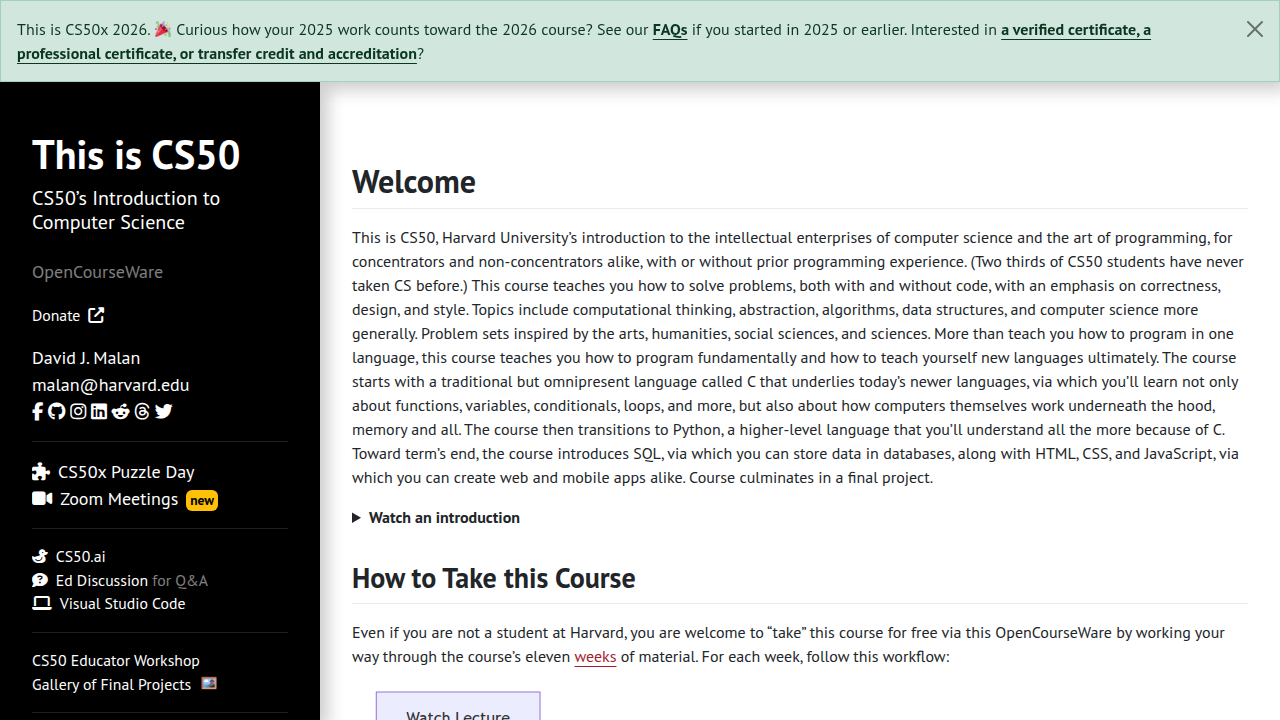
It’s important to know that while you might look for "coursera free online courses," Harvard’s CS50 courses are actually found on edX, not Coursera, and they are free to audit, meaning you can access lectures, readings, and problem sets at no cost to learn the material at your own pace
Harvard CS50: All the Free Courses, Where to Find Them, and ….
The trust that comes from a well-known school like Harvard makes a big difference. When you learn from such a respected source, you know the information is top-notch and accurate. This deep technical learning helps developers build a strong foundation, which is crucial for tackling tough coding problems or moving up in their careers.
Whether you want to explore new topics for fun, refresh old skills, or see if a certain field is right for you, auditing these free courses is a smart move.
For those who need official proof of their learning, there is also an option for a verified certificate. While auditing the course is free, getting a verified certificate means paying a fee. This certificate shows employers that you have truly completed the course and passed its requirements, which can be great for your resume or for team training needs
CS50: Introduction to Computer Science | Harvard Online. It can also help when you are thinking about different educational paths, like whether a computer science vs software engineering degree is best for you later on.
Want to stay informed about the latest breakthroughs in technology, including AI?
Get clear daily AI updates from The AI Newsletter Worth Reading.
Beyond the core free online Harvard courses like CS50: Introduction to Computer Science, Harvard offers many ways to learn. Most of these free options come through a platform called HarvardX, which works with edX. This means you can find a lot of great lessons and problems there.
Different Ways to Learn for Free
Harvard makes many of its computer science programs available to everyone. The main way to access these is through HarvardX on the edX platform. Here, you’ll find a series of CS50 courses. For example, there’s not just the first CS50x, but also courses like CS50’s Introduction to Programming with Python, CS50’s Web Programming, and even HarvardX CS50 Cybersecurity Course 2026. All these courses allow you to "audit" them for free. This means you can watch all the videos, read the materials, and try the practice problems without paying any money Harvard CS50 (2026) – Full Computer Science University Course. You get to learn at your own speed.
While edX is the most popular spot for these, Harvard also shares learning materials in other ways. For instance, the Harvard Extension School sometimes provides free lectures or content snapshots. These are often less formal than full courses but can still give you valuable insights into different topics. Think of them as smaller pieces of learning that you can explore. In 2026, many resources, like those related to computer science, are being shared more openly than ever before Harvard University’s free online courses for 2026.
Understanding Certificates and What They Cost
When you take these free online Harvard courses, you have choices about how you prove your learning.
- Free Audit: This is the basic option. You get full access to almost all the course content. You can learn everything, complete assignments, and even check your work. But you don’t get a formal paper or badge to show you finished. It’s perfect if you just want to learn new skills or explore a new subject. It’s a great way to improve your fundamental programming skills, which can help you master programming language fundamentals in 2026.
- Verified Certificate: If you want proof for your resume or job applications, you can pay a fee for a verified certificate. This certificate comes from Harvard and edX and shows that you passed the course requirements. It costs around $219, but it gives you a formal document that employers can trust CS50: Introduction to Computer Science | Harvard Online. It also often gives you unlimited access to the course materials.
- Free Certificate (Less Formal): Some CS50 courses also offer a simpler, free certificate of completion directly from CS50. While not as official as a verified certificate from edX, it can still be a nice way to show you completed the course 2026 Harvard CS50 Guide: How to Pick the Right Course ….
Knowing these options helps you pick the best path for your learning goals, whether you’re aiming for a new job or just want to expand your knowledge. Having these skills can certainly boost your chances in the Computer Science Jobs 2026 market.
For developers looking to sharpen their skills or explore new areas, Harvard offers a wealth of valuable free online Harvard courses that are especially useful in 2026. These programs can give you a strong foundation or help you specialize.
Top Free Harvard Courses for Developers (CS50, Data Science, and More)
Harvard’s computer science offerings are a cornerstone for anyone in software development. The most famous is CS50: Introduction to Computer Science, often called CS50x. This course is a fantastic starting point for beginners and a great refresher for experienced developers. In 2026, the updated CS50x course includes new ideas like artificial intelligence (AI), making it very current This is CS50x 2026, full season available on edX on January 1, 2026. It teaches you how to think like a computer scientist and solve problems using code.
Beyond the main CS50x, there are many other free online Harvard courses that dive into specific parts of computer science:
- CS50’s Introduction to Programming with Python: This course is perfect if you want to focus on Python, a very popular language for web development, data science, and more. It helps you build strong programming basics.
- CS50’s Web Programming with Python and JavaScript: For those interested in building websites, this course covers important tools and ideas like databases, user interfaces, and how web applications work. Learning these skills is key to finding the best online web development courses and becoming a good web developer.
- CS50’s Introduction to Artificial Intelligence with Python: Since AI is so important in 2026, this course helps you understand machine learning and how to use AI in your projects. It’s a great way to master AI skills and apply them to real-world problems.
- CS50’s Introduction to Cybersecurity: With more of our lives online, knowing about cybersecurity is vital. This course teaches you how to protect computer systems from threats, which is a key skill for any developer in 2026. You can find out more about these and other Harvard CS Free Courses for 2026.
These courses are structured to help you truly learn and apply new knowledge. They include:
- Lectures: Clear explanations from top Harvard professors.
- Problem Sets: Hands-on coding exercises that challenge you to use what you’ve learned. These are crucial for building your skills in areas like component-based software engineering principles.
- Projects: Bigger tasks that let you combine many concepts into a full program or application. This is where your skills really grow, much like how understanding SDLC models helps create successful software projects.
By working through these parts, you get practical experience that’s highly valued in the tech world. This kind of learning is much more than just watching videos; it’s about actively doing and building. If you’re a developer or want to learn to code in 2026, these free online Harvard courses offer a solid path.
Want to stay ahead in the fast-changing world of AI and technology?
Get clear daily AI updates from The AI Newsletter Worth Reading.
After getting hands-on experience through problem sets and projects, you might wonder how these free online Harvard courses actually work. It’s important to understand the difference between simply learning for free and getting a formal certificate.
How Harvard’s Online Courses Work: Auditing, Verified Certificates, and Microcredentials
Many of Harvard’s online courses are offered through platforms like edX, and they usually come with two main ways to take them: auditing or enrolling for a verified certificate.
Auditing Courses for Free
When you audit a course, it means you can access most of the learning materials for free. This is how many people take advantage of these valuable free online Harvard courses without spending any money. For example, you can often attend or watch course lectures and work on problem sets without paying. For a course like CS50, you can usually attend lectures and complete problem sets, which means you get a real taste of Harvard’s teaching style and course content FAQs – CS50.
Auditing is a great option if your main goal is to learn new skills, explore a subject, or refresh your knowledge. You get access to the course videos, readings, and sometimes even practice assignments. However, when you audit, you generally won’t get a final grade, direct instructor feedback, or a certificate to show you completed the course. The materials are typically available for a limited time, which is usually the length of the course itself Auditing an edX class.
Verified Certificates and Microcredentials
If you want official proof of your learning, you’ll need to pay for a "verified certificate." This usually means you enroll in the "verified track." With a verified certificate, you get access to all course materials for a longer time, can submit graded assignments, and will receive an official certificate upon successful completion. This certificate shows that you have finished the course and passed the required work.
These certificates can be a big help for your career. They show potential employers that you have learned specific skills from a respected institution.

For hiring managers, a verified certificate from a Harvard computer science program can show a strong commitment to learning and a solid understanding of the course material. It can also be valuable when considering your options for computer science jobs 2026 or trying to understand the difference between a computer science vs software engineering degree.
Microcredentials are a similar idea, often representing a smaller, focused achievement or a collection of related courses. They also offer formal recognition of specific skills, making them useful in today’s fast-changing job market.
Both auditing and verified certificate options have their place. Auditing is perfect for curious learners, while verified certificates are for those who need official recognition for their efforts, possibly for job applications or continuing education. You can learn more about these options, including financial aid for verified courses, on Harvard’s online platforms Discounts and Financial Assistance for Harvard Online Courses. Remember, even if you are aiming for a verified certificate, many platforms allow you to start by auditing the course for free to see if it’s a good fit. This gives you flexibility in how you approach these high-quality educational opportunities, similar to how you might explore different Coursera online courses for software developers in 2026.
Using Harvard’s Free Courses to Learn AI & Machine Learning Practical Skills
It’s really smart to use free online Harvard courses to learn about new and important topics like AI and Machine Learning. In 2026, these skills are more important than ever for many jobs. Luckily, Harvard offers many options to help you get started or get better at these skills without spending a lot of money.
Many of Harvard’s free online courses dive into the basics of AI and Machine Learning. For example, a popular choice is "CS50’s Introduction to Artificial Intelligence with Python." This course teaches you how to use machine learning with Python. You’ll learn about important ideas like neural networks and how computers understand language, also called natural language processing (NLP). These courses are great because they give you a strong start in a field that’s growing very fast Harvard University Free Online Courses: AI with Python. Harvard has announced several such free online courses in AI and data science this year Harvard opens more free online courses in AI, data science.
These courses are not just about learning facts. They focus on giving you practical skills.

You’ll often work on projects that are like real-world tasks. For example, you might build a simple AI model that can guess things, or learn how to set up "data pipelines" to get information ready for an AI to use. These kinds of hands-on projects are super helpful. They let you practice what you learn and see how it works. Learning how to master AI skills with an AI-powered learning platform in 2026 can really give you an edge.
When you finish these projects, you can add them to your portfolio. This is like a collection of your best work that you can show to future employers. For instance, if you build a small AI that recommends movies, that’s a great example to show. It proves you can do things like model prototyping, which means making a first version of an AI. These skills are very useful for many jobs in technology today. Learning how to use AI for software development in 2026 is key for developers wanting to improve their work.
By taking these free online Harvard courses, you gain valuable skills and build a portfolio of work that shows you can use AI and Machine Learning in real ways. This can truly open doors for your career in 2026 and beyond.
To stay on top of the rapidly changing world of AI and other tech, consider signing up for a regular digest. Get clear daily AI updates from The AI Newsletter Worth Reading.
Integrating Harvard Courses into Your Developer Workflow and Team Training
While free online Harvard courses are great for individuals, they can also be a secret weapon for entire development teams. In 2026, keeping your team’s skills sharp is more important than ever. You can use these free learning materials for many team needs, from helping new people learn the ropes to making sure everyone on the team knows the newest AI tricks.
Think about how you bring new developers onto your team. Instead of just giving them a stack of documents, you could use parts of Harvard’s free computer science programs. For instance, sections of the "CS50’s Introduction to Artificial Intelligence with Python" course could be a key part of their first few weeks. It helps them learn basic AI and machine learning concepts in Python. This way, new team members get a solid foundation that everyone can build on. This also helps with corporate training, making it smarter and more focused Transform Corporate Training with AI Powered Homework Help.
For existing teams, you can set up "upskilling sprints." These are short bursts of learning focused on a specific new skill. For example, if your team needs to learn about small, power-saving AI models, known as TinyML, Harvard offers resources like TinyML: Edge & Embedded – Lecture Slides. You can pick out relevant modules from these free online Harvard courses and have your team go through them. Then, they can apply what they learned right away in a small team project. This makes learning practical and directly useful. For teams working on custom software, this kind of focused AI training is a smart move AI Mastering for Custom Software Teams Your 2026 Playbook.
You can also design your own internal workshops using these materials. Imagine a weekly session where your team works through a chapter from a Harvard AI course, followed by a hands-on coding challenge. These project-based checkpoints let everyone practice and share their knowledge. Harvard makes it easy to find different courses on topics like Artificial Intelligence Courses. This turns learning into a team effort, where everyone helps each other grow. It’s a bit like creating your own special computer science curriculum for your company, all built on reliable content.
To make this easy, you can create a simple learning plan. This "lightweight curriculum" would mix free modules from Harvard with your team’s own mini-projects. For example:
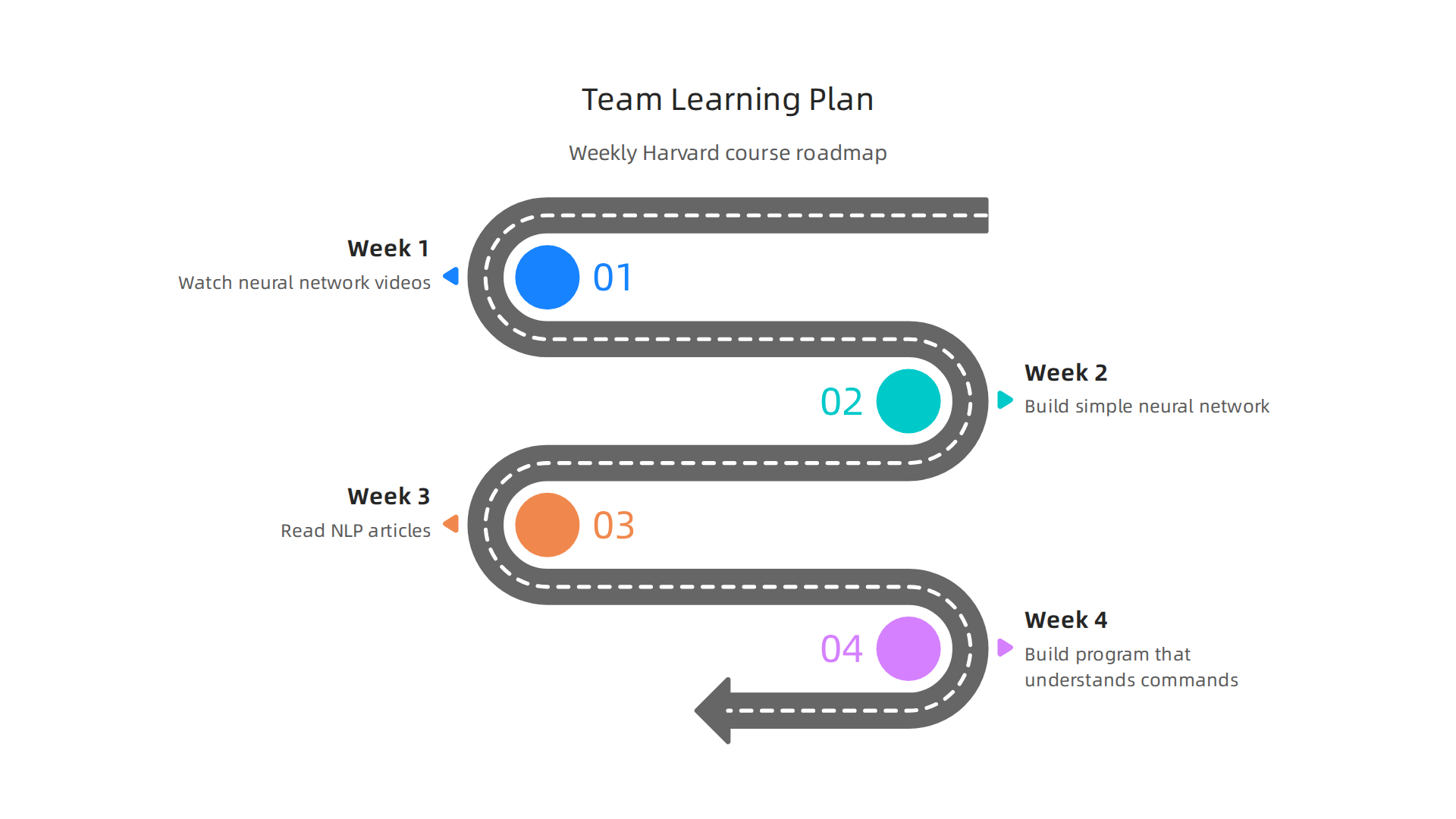
- Week 1: Watch videos on neural networks from a free Harvard AI course.
- Week 2: Work together on a small project to build a simple neural network.
- Week 3: Read computer science articles on natural language processing.
- Week 4: Create a program that can understand simple commands.
This approach ensures that learning isn’t just about watching videos. It’s about doing, building, and solving problems as a team. This way, your developers aren’t just taking free online Harvard courses; they’re actively integrating new knowledge into their daily work and improving the whole team’s skills. This helps everyone keep up with the fast pace of software development and AI in 2026.
Credit, Degree Pathways, and When Free Courses Lead to Formal Programs
Using free online Harvard courses for learning is a smart move. But what if you want more than just knowledge? What if you want college credit or even a degree? This is where the world of free courses meets formal education. Free learning materials from Harvard are usually not for college credit. They are made to help you learn new things without the cost of a full class.
However, Harvard also has special schools for people who want to earn credit or a degree. The most well-known is the Harvard Extension School. It is a part of Harvard University and offers many courses that count for college credit [Harvard Extension School – Wikipedia]. These courses can lead to real degrees or special certificates.
From Free Learning to College Credit
If you’ve enjoyed the free online Harvard courses, you might wonder how to get credit for similar learning. Courses taken through the Harvard Extension School can give you college credit. You can even earn smaller awards called microcertificates or graduate certificates by taking a few related classes [Take a Course | Harvard Extension School]. This is a good way to get formal proof of your new skills.
For those looking for a full degree, the Harvard Extension School offers programs like a Bachelor’s in Liberal Arts. If you have already taken classes at other colleges, you might be able to use those. The school can accept up to 64 transfer credits towards a bachelor’s degree [Undergraduate Transfer Credit | Harvard Extension School]. This means you could finish a two-year degree’s worth of college at another school and count it toward your Harvard Extension School degree. It’s important to check the rules for accepting these credits Course Enrollment Requirements & Policies to make sure your past learning fits.
These formal computer science programs or related fields through the Extension School are made for working adults. They often have online classes, which makes it easier to fit learning into your busy life [Undergraduate Degrees | Harvard Extension School].
Choosing Your Path
Deciding whether to pursue credit or a degree depends on your goals.

If you just want to learn new skills or explore a topic, free online Harvard courses are perfect. They give you knowledge without the pressure of grades or tuition. But if you want a formal credential for your career, like a computer science degree or a professional certificate in a new skill, then the Harvard Extension School is a great option. Make sure to look at their enrollment policies to understand what you need to do to join [Enrollment Policies | Harvard Extension School].
Staying updated on the latest trends in technology, especially AI, is always important, no matter your learning path.
Want to stay ahead with the most important AI updates every day? The AI Newsletter Worth Reading.
Choosing a learning path for developers is a big step, especially when you want to use great free resources like free online Harvard courses. It’s not just about taking classes, it’s about building real skills and showing them off. Let’s look at how you can plan your learning and create a strong set of projects to help your career in 2026.
Your Developer Learning Roadmaps
Many people start their coding journey with Harvard’s CS50 course. It is known as one of the best ways to learn basic computer science programs. After that, you can pick a direction. Here are some ideas for 3, 6, and 12-month study plans.
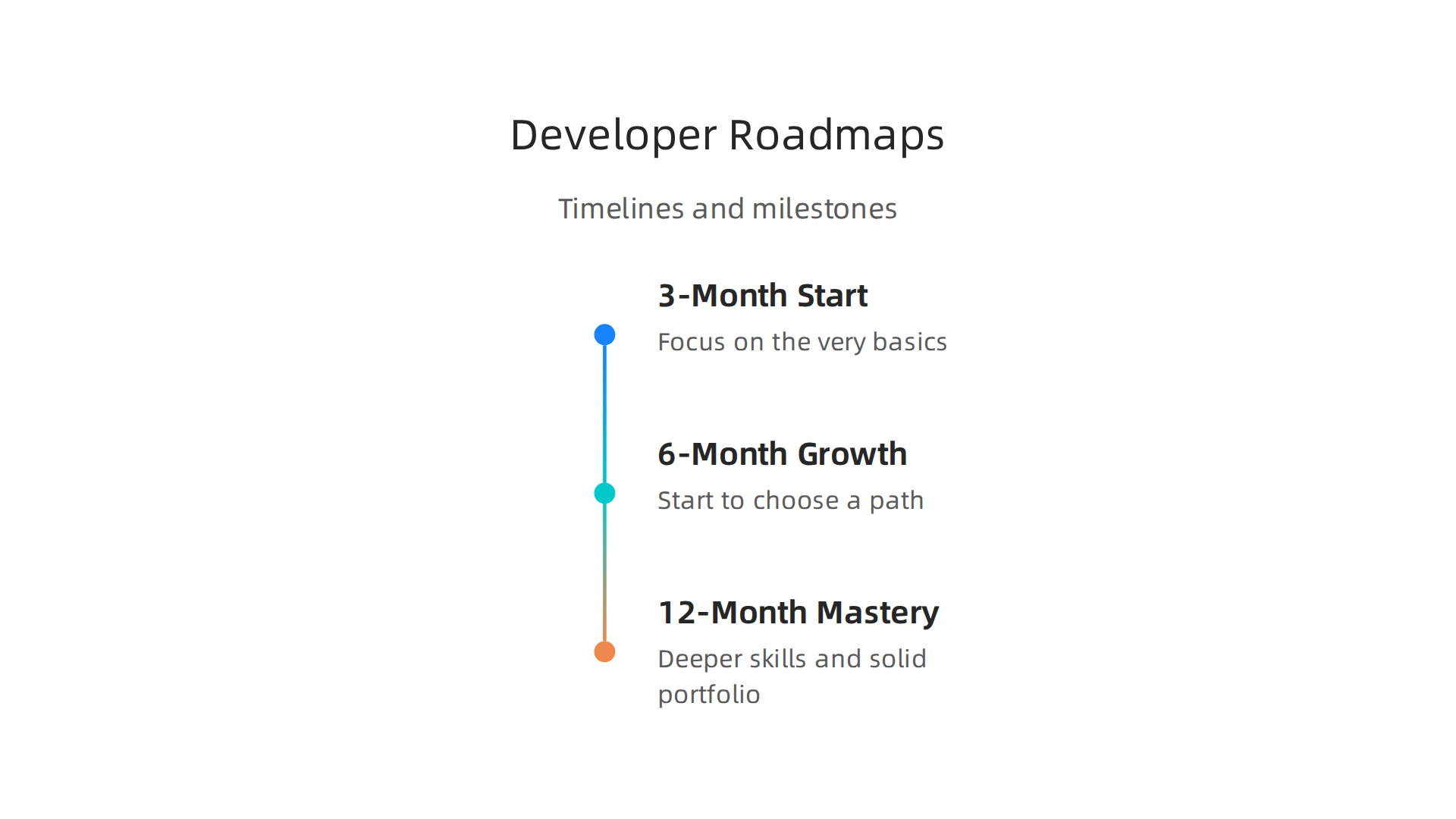
3-Month Quick Start: Building Basics
In your first three months, focus on the very basics.
- What to learn: Start with CS50 to get a strong base in how computers work and how to think like a coder. Then, dive into HTML, CSS, and basic JavaScript. These are the building blocks of the internet.
- Projects: Build small websites. Maybe a simple online resume, a basic recipe card, or a fun landing page. These quick projects help you practice what you learn right away. This is a great way to start gathering small items for a software engineer projects portfolio.
6-Month Growth: Picking a Path
After you have the basics, you can start to choose if you want to be a front-end, back-end, or even a machine learning developer.
- Front-End Developer (Making websites look good): Keep learning JavaScript. Get into a framework like React or Vue. These tools help you build complex and interactive web pages. Sites like The Odin Project and freeCodeCamp are great for this.
- Projects: Create a working to-do list app, a weather app that pulls live data, or a small online store page.
- Back-End Developer (Making websites work from behind the scenes): Learn a programming language like Python or Node.js. Understand how databases store information. Learn to build APIs, which are like messengers that let different parts of a software talk to each other.
- Projects: Build a simple user login system, a blog API, or a basic chat server.
- Machine Learning Developer (Teaching computers to learn): Focus on Python and its special libraries for data science. Learn the basics of how machine learning works.
- Projects: Make a program that can guess numbers, sort different types of flowers, or predict simple trends.
12-Month Mastery: Portfolio Ready
By the end of a year, you should have deeper skills in your chosen path and a solid portfolio.
- Front-End: Build a full, responsive web application with many features. Think of a social media clone or a complete personal portfolio site.
- Back-End: Create a more advanced API, connect to different databases, and learn about making your code safe and fast.
- Machine Learning: Work on a project that uses real-world data, like making a movie recommendation system or a tool that helps sort emails.
For any path, remember that learning to code is not just about watching videos. It’s about doing. Building projects helps you learn a lot. Actually, some experts say building strong fundamentals and small projects is key to learning fast How I’d Learn Coding in 2026 (Without Wasting Years).
Building Your Portfolio of Projects
Your projects are super important. They show hiring managers what you can actually do. Think of your portfolio as your best work collection. Each project you build from your free online Harvard courses or other learning paths should be added.
- Show your progress: Even simple projects from your first few months are valuable. They show you’re learning and growing.
- Solve problems: Try to build projects that solve a small problem or have a clear purpose. This makes them more interesting.
- Explain your work: For each project, write a short note about what it does, what you learned, and any challenges you faced.
- Use GitHub: This is a website where developers keep their code. It’s like an online resume for your code. Make sure to put all your projects there.
By carefully choosing your learning materials and making sure to build many projects, you can go from a beginner to someone ready for computer science jobs 2026.
Summary
This article explains why Harvard’s free online courses—especially the CS50 family offered via HarvardX on edX—are valuable for developers in 2026. It covers where to find the courses, the difference between auditing for free and enrolling for a verified certificate (with a typical verified fee around $219), and which CS50 tracks are best for web, Python, AI, and cybersecurity. The piece shows how these courses deliver hands‑on learning through lectures, problem sets, and projects that you can add to a portfolio, and it outlines practical ways to learn AI and machine learning with real projects. It also explains how teams can use Harvard materials for onboarding or upskilling through short sprints and internal workshops. For learners wanting formal credit or degrees, the article points to Harvard Extension School pathways and transfer/credit options. Finally, it gives actionable roadmaps (3/6/12 months) so developers can move from basics to portfolio‑ready projects and improve their job prospects in 2026.