
Find Your Best Free Online School for Developer and Product Team Success
· 21 min read

Why ‘free online school’ matters for modern developers and product teams
In 2026, the world of technology changes super fast. If you’re a developer or part of a product team, you know how hard it is to keep up. New tools, new coding methods, and exciting AI breakthroughs pop up every single day. This means learning never stops. You always need to pick up new skills to stay good at your job and build amazing things.
The internet is full of places where you can learn. Many of these are free online schools, offering tons of courses without asking for money. This sounds great, right? But here’s the thing: with so many options, it’s easy to get lost. It’s like looking for a good book in a huge library without any labels. How do you know which free online school is actually worth your time?

The biggest challenge is that not all online courses are made well. Some might have old information, broken links, or instructors who don’t really help you learn. It’s tough to tell the good from the bad. For example, a quality online course should have clear goals and good ways to check what you’ve learned, as explained by experts in online learning [1]. If a course isn’t well put together, you could spend hours on it and not learn much at all. This is a big problem when you need to quickly master skills like new programming languages or learn about AI.
The quick changes in tech also make it hard to choose what to focus on. Should you learn more about the Java programming language, or dive into the latest AI tools? With so many things to learn, picking the right free online school that offers truly helpful courses is key. You want training that helps you reach your career goals and make a real impact. If you want to make smart choices about your learning path, check out how to choose online courses for career development that deliver real impact.
This article is here to help you. We will give you a clear, easy way to find the best free online schools. We’ll show you how to pick the right courses, whether you’re looking for free online business courses with certificates or just want to explore new skills. We’ll also look at how you can use AI to make your learning even faster and better.
Staying informed about AI and technology trends is crucial for modern developers and product teams. Get clear daily AI updates from The AI Newsletter Worth Reading.
Finding a good free online school means you need to look closely at what they offer. It’s like checking a new app before you download it. You want to make sure it will actually help you. For developers and product teams in 2026, picking credible learning spots is super important. You don’t want to waste your time on courses that don’t teach you what you need for your career.
Here’s a simple checklist to help you find truly helpful free online schools:
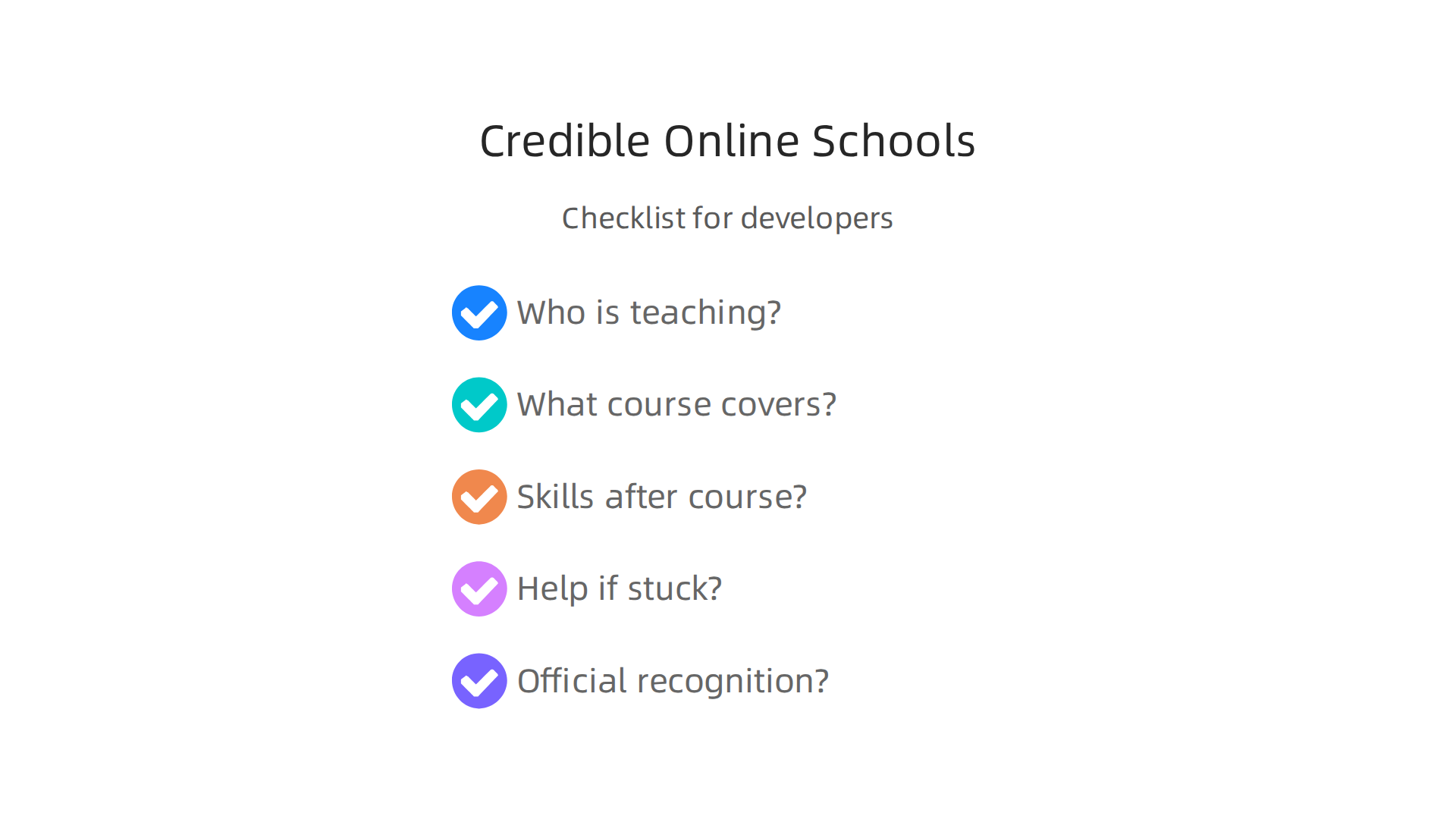
Checklist for a Credible Free Online School
- Who is teaching the course? Look at the instructors. Do they have real-world experience? Are they experts in the field they are teaching? For example, if you want to learn about the Java programming language, you’d want someone who uses Java daily.
- What does the course cover? A good free online course should have a clear outline, also called a syllabus. It should tell you exactly what topics you will learn. Experts say that how a course is set up and how easy it is to use are very important for good online learning [1].
- What will you be able to do after the course? The course should tell you what skills you will gain. Will you be able to build a certain type of app or use a new tool? This helps you see if it matches your career goals.
- Is there help if you get stuck? Look for places where students can ask questions or talk to each other. This might be a forum, a chat group, or even a way to reach the instructor. Good online courses often focus on keeping students involved and giving quick feedback [2].
- Does it have official recognition? Most free online schools don’t offer degrees like ASU online courses (which are paid and recognized by a university). However, some free courses might offer certificates that are well-regarded in the industry. For free online business courses with certificates, check if employers actually value those certificates. This is often less about formal accreditation and more about the course’s reputation.
Practical Steps to Check a Course
Once you have a free online school in mind, take these steps to check its courses:
- Look at course previews: Most platforms let you see a bit of the course before you sign up. Watch introduction videos, read the course description, and look at any sample lessons. This gives you a taste of the teaching style and content.
- Read the full syllabus: If available, dive into the course syllabus. This document should list all the topics, homework, and projects. A detailed syllabus is a good sign, showing the course is well-planned [3].
- Find sample work or projects: Can you see projects or assignments that students have completed in the past? This helps you understand the quality of work expected and if the skills taught are practical.
- Check reviews and feedback: What are other learners saying about the free online school and its courses? Look for reviews on other websites or in developer communities. Honest feedback can tell you a lot about how good a course really is.
By following these steps, you can find quality online learning that will truly help you master new skills like Master Programming Language Fundamentals or improve your Computer Science Fundamentals.
Finding the right free online school is like picking the perfect tool for a job. There are many kinds out there in 2026, and each one helps different people in different ways. Knowing the main types can help you decide which free online school is best for your learning goals, whether you are a developer, product manager, or an engineering leader.
Let’s look at the main types of free online learning platforms:
Massive Open Online Courses (MOOCs)
MOOCs, which stands for Massive Open Online Courses, are very popular. These courses are often put together by universities and companies. They let many people from all over the world learn together online. Many MOOCs have a free part where you can watch videos and read lessons. You might pay a small fee if you want a certificate to show you finished the course.
- Who it’s for: These are great for developers who want to learn new topics or product managers who need a deeper understanding of a subject. They are good for exploring different fields without spending a lot of money. Sites like Coursera and edX offer many of these. Coursera, for example, is known for its certificates backed by universities and companies that employers recognize [1]. Some platforms also offer free audit tracks for many courses [2].
- Pros: You get to learn from top universities, and there are many different subjects to choose from. The quality of learning materials is usually high [3].
- Cons: There might not be much direct help from teachers, and getting an official certificate usually costs money. You need to be good at learning on your own.
University-Offered Free Courses (Open Courseware)
Some universities, like MIT, put their course materials online for free. These are called Open Courseware. They offer a lot of knowledge but in a less structured way than MOOCs. You usually won’t get a certificate or talk directly with a teacher.
- Who it’s for: Engineering leaders or very self-motivated developers who want to dive deep into theory or specific academic subjects. It’s for those who like to learn at their own pace without formal deadlines.
- Pros: The content is very high quality and comes straight from respected schools. It’s completely free.
- Cons: No certificates, no direct teacher help, and no interaction with other students. It requires a lot of self-discipline.
Free Bootcamp-Style Programs
These programs are all about getting you job-ready quickly. They focus on practical skills you can use right away. They might not be from a famous university, but they teach you how to build things. Think of them as hands-on training.
- Who it’s for: Developers who want to pick up new, practical skills fast, or product teams looking to understand how new tools work. This type of free online school is great if you want to apply your learning directly to projects.
- Pros: Very practical, often project-based, and aimed at getting you ready for a job.
- Cons: The learning can be very focused, so you might not get a broad understanding of the topic. Some "free" bootcamps might ask for money later for extra features or help. These often focus on technical skills like coding, which can be different from traditional university courses [4].
Community-Led Curricula
Community-led learning means that groups of people or open-source projects create the learning path. Sites like freeCodeCamp are good examples. Here, you learn by doing, and the community helps you when you get stuck.
- Who it’s for: Junior developers, those starting their coding journey, or anyone who learns best by working on real projects and getting help from others. It’s also good for people interested in specific software developer employment opportunities that value community contributions.
- Pros: Strong community support, hands-on projects, and often completely free. You can work on real-world problems.
- Cons: The quality of courses can be different, and you need to be motivated to keep going on your own. There’s no formal grading or teacher pushing you along.
Self-Directed Resource Aggregators
These are not courses themselves, but websites or tools that collect many free learning resources from all over the internet. They help you find articles, videos, and tutorials on a topic.
- Who it’s for: Experienced developers or product managers who know what they want to learn and are good at finding information. This approach is perfect for refining very specific skills or staying updated on new trends like AI for software development.
- Pros: Complete freedom to learn exactly what you want, when you want. You can build a custom learning path.
- Cons: No structure, no support, and you have to decide what’s good quality on your own.
Choosing the right free online school depends on what you want to achieve and how you like to learn. Think about your goals: do you need a certificate, practical skills, or deep theoretical knowledge? Knowing these will help you pick the best path.
Skill Paths, Micro-credentials, and How to Turn Free Courses into Career Outcomes
Once you know the types of free online schools available, the next big step is learning how to use them to get ahead in your career. It’s not just about taking one class. It’s about building a path of skills that helps you reach your job goals.
Building Stacked Skill Paths
Think of your career like building blocks. You start with the basics and then add more specific skills on top. For example, if you want to be a front-end developer, you might first take a free online school course on web basics like HTML, CSS, and JavaScript. Then, you could stack on another free course focused on a popular tool like React. After that, maybe you take a course on making websites faster. Each step makes you better and more specialized. This is a smart way to use free learning to grow your skills in areas like the java programming language or other coding tools. By carefully choosing online courses for career development, you can make a real impact on your job prospects.
Micro-credentials and Their Value
Not every great skill needs a full university degree. This is where micro-credentials come in. These are like mini-certificates that show you have learned a specific skill or set of skills. They are usually quicker to earn than a full degree and focus on practical knowledge. Many free online school platforms, especially MOOCs, offer these for a small fee.
Actually, many employers in 2026 really value micro-credentials. A report from Coursera showed that employers are often willing to offer higher starting salaries for people with these small certifications. This is because micro-credentials show that you have specific, job-ready skills New Coursera Report on Micro-credentials. They prove you can do the work. Another report even found that micro-credentials help create career-ready graduates who are more prepared for the workplace. So, if you are looking for free online business courses with certificates, these micro-credentials could be a great fit.
Portfolios and Open Source Contributions
Beyond certificates, showing what you can actually do is key. A strong portfolio filled with projects you’ve built is incredibly valuable.

This could be a website you designed, an app you coded, or even small programs you made using a list of programming languages. These projects let potential employers see your skills firsthand.
Another powerful way to show your skills is by helping with open-source projects. These are software projects where anyone can look at the code and help improve it. Contributing to open-source means you’re working with real code and other developers. It shows teamwork and practical coding skills. Many junior software engineers in 2026 build their careers this way, turning their free learning into tangible experience. This kind of hands-on experience can be just as important, if not more important, than a traditional degree in proving your ability for software developer employment in 2026.
By combining stacked skill paths, smart use of micro-credentials, and building a strong portfolio with open-source work, you can truly turn free online learning into real career success.
Using AI tools to accelerate learning from free online schools
You now know how to build skills, get micro-credentials, and make a strong portfolio from free online learning. What if you could make this learning even faster and easier in 2026? That’s where AI tools come in. They can help you learn more from any free online school and get better at new skills.
How AI Helps You Study More
Think of AI as your smart study partner. It can do many things to help you understand your courses better:
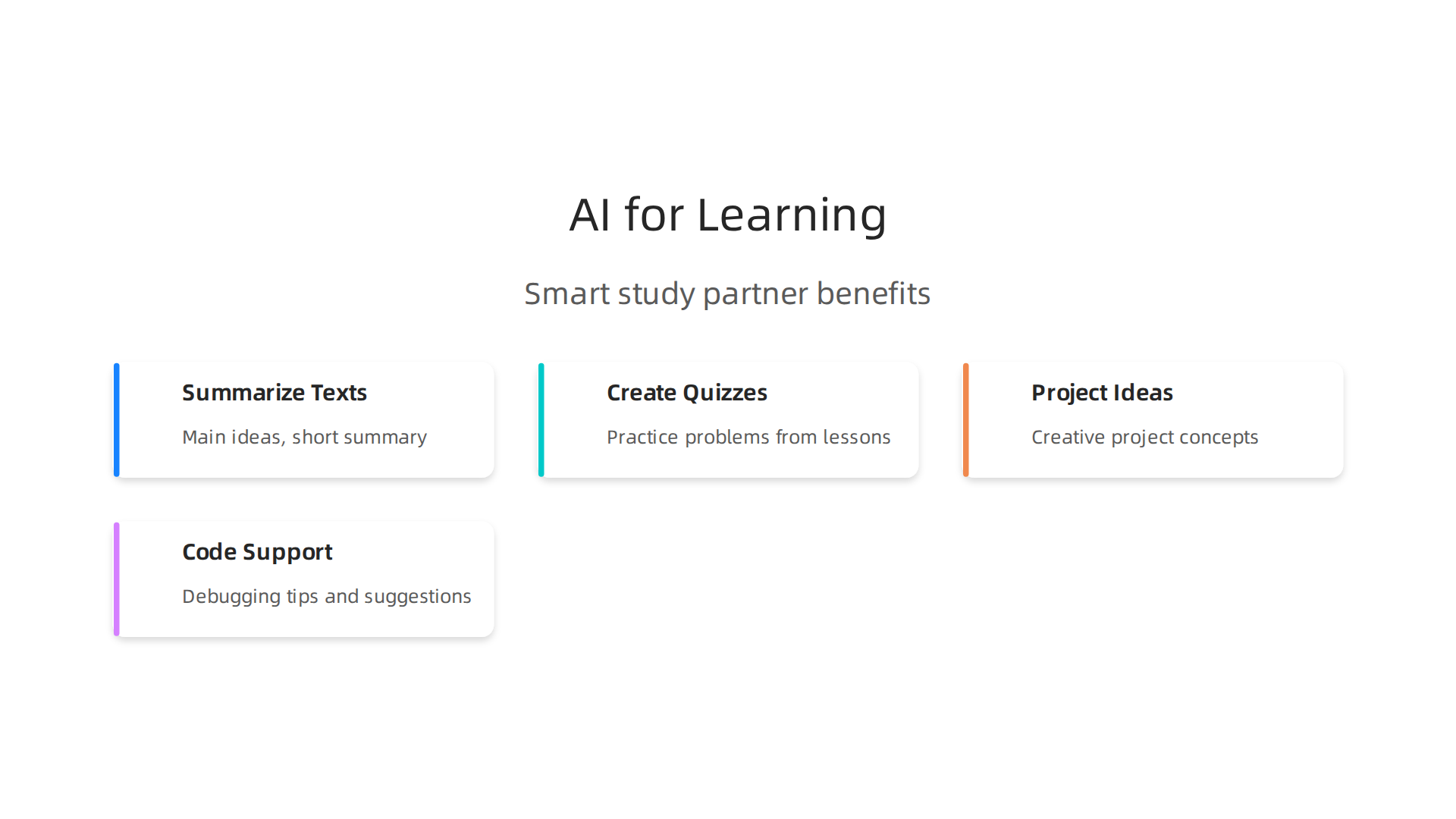
- Summarize Big Texts: Sometimes, a free online course has a lot to read. AI can quickly read long articles or chapters and give you the main ideas in a short summary. This helps you get the important points without getting lost in too many words. This process is called LLM summarization.
- Create Practice Problems: When you are learning something new, practicing helps a lot. You can ask an AI to make up practice questions or quizzes based on your course material. This is great for subjects like math, science, or learning a new java programming language, so you can test yourself before moving on.
- Generate Project Ideas: If you need to build a project for your portfolio, AI can give you creative ideas. For example, if you’re taking free online business courses with certificates, AI might suggest project ideas related to market analysis or business planning. For coding, it can help you brainstorm different things to build with a list of programming languages.
- Support in Coding: For those learning to code, AI can be a helpful assistant right in your coding tools. It can give you tips, help find mistakes in your code, or even suggest ways to write code better. Learning how to get the best responses from these tools is often called Google prompt engineering.
Actually, studies show that AI-based tutoring systems can really boost learning, especially in areas like math and programming Adaptive intelligent tutoring systems for STEM education. They can help you learn more and keep that knowledge longer.
Smart Ways to Use AI (and What to Watch Out For)
While AI is amazing, it’s important to use it wisely. Think of it as a tool, not a replacement for thinking.
- Don’t Rely Too Much: If you always ask AI for answers without trying to solve problems yourself, you won’t truly learn. You need to understand the ideas, not just copy what the AI says. One study even found that how often students used an AI tutor was not directly linked to their exam results, meaning simply using it isn’t enough; you need to engage thoughtfully Investigating Student AI Tutor Interactions.
- Always Check the Answers: AI can sometimes make mistakes. So, always check the information it gives you with what your free online school teaches.
- Focus on Understanding: Use AI to help you grasp tough concepts or practice more. This way, you’re building real skills for your career. If you’re looking to dive deeper into how to learn with these tools, exploring how to study AI for software development in 2026 can give you more ideas.
By using AI tools in smart ways, you can make your journey through any free online school much more effective. You can learn faster, understand better, and get ready for your future job goals.
Keeping up with the latest in AI can give you a big advantage in your learning and career.
The AI Newsletter Worth Reading
Designing a personalized learning plan that fits 40–60 hour workweeks
Learning new skills from a free online school can change your career, especially with AI helping you learn faster. But if you work 40 to 60 hours a week, finding time to learn can be really hard. The trick is to make a smart plan that fits into your busy life.
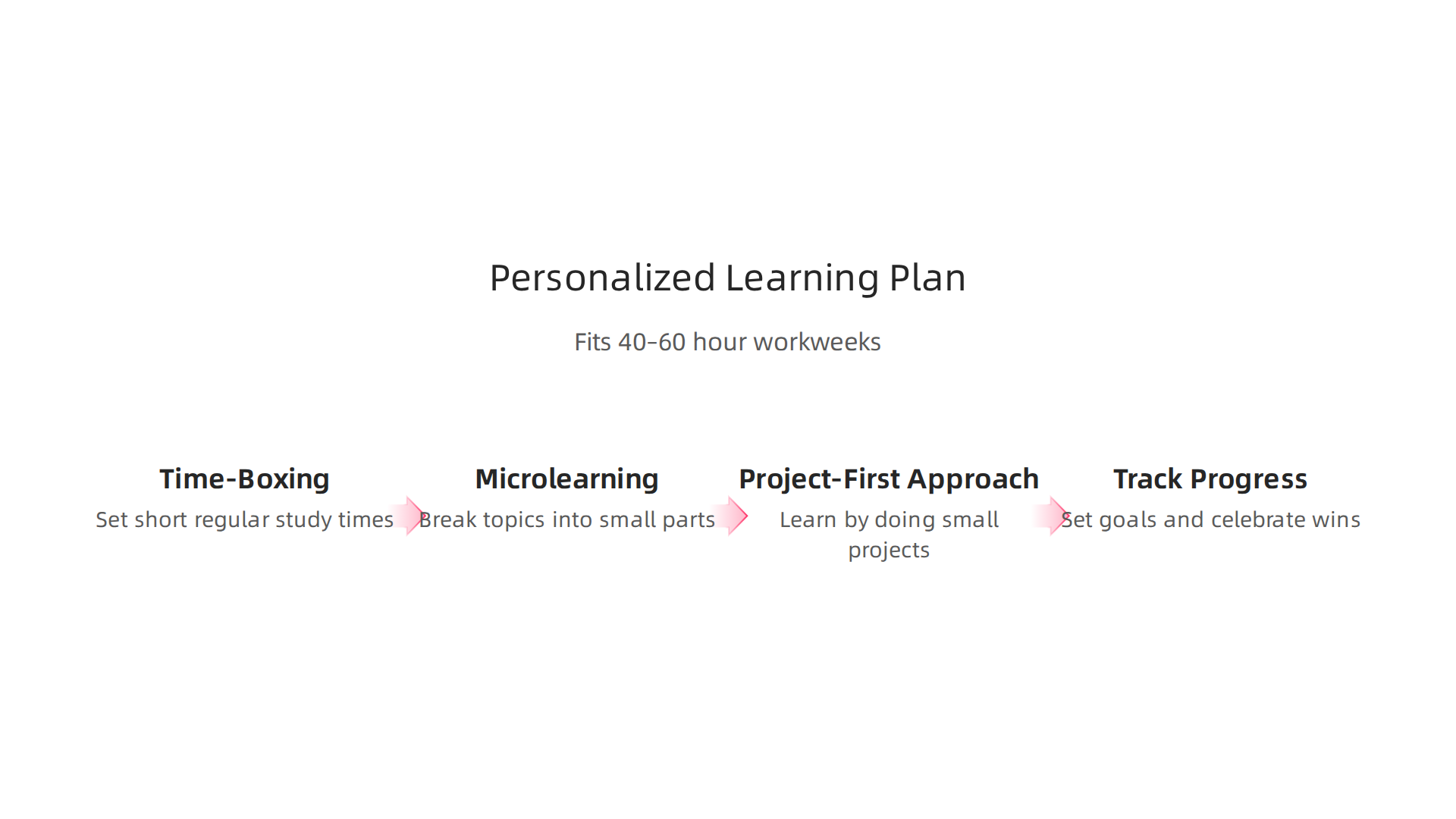
Make Time with Time-Boxing
Time-boxing means setting aside short, regular times just for learning. Think of these as important meetings you can’t miss. Even 15 to 30 minutes a day can make a big difference if you do it often. Many experts say that making a schedule and sticking to it helps busy professionals learn well, even with short study sessions Effective Study Techniques for Busy Professionals. You can learn to be really good at using your study time by exploring how to maximize computer science time for smarter development and learning.
Learn Smarter with Microlearning
Microlearning is about breaking down big topics into small, easy-to-digest parts. Instead of trying to learn for hours, you learn in short bursts. These small lessons can be 5 to 15 minutes long. This way of learning is great for grown-ups because it helps you remember things better and is much more time-friendly. Studies show microlearning can make you remember 20% to 80% more over time compared to long study sessions Microlearning: Enhancing Knowledge Retention. It also helps people learn new skills quickly, especially when time is tight, making it very helpful for workplace learning The Effectiveness of Microlearning in Skill Development and …. Many free online school platforms, like Coursera and edX, offer courses that are perfect for microlearning because you can audit them for free or take just a few lessons at a time, as noted in a review of 10 Best MOOC Platforms in 2026 (Tested & Compared).
Use a Project-First Approach
The best way to learn is by doing. Instead of just reading about something, try to use what you learn in a small project. This is very helpful if you are taking free online business courses with certificates or learning a new skill. You can link your learning directly to your work tasks or "sprint schedules" if you work in a team. This means your learning helps with real product work. For example, if you learn about a new coding method, try to use it in a small part of your next work task. This helps you choose online courses that really matter for your job goals, as knowing how to choose online courses for career development that deliver real impact is key.
Keep Track of Your Progress
It’s important to see how far you’ve come. Set small goals or "milestones" for yourself. Maybe it’s finishing one module of a free online school course each week, or learning one new coding trick every day. Celebrate these small wins. This helps you stay motivated and build good study habits. When you pick a course, think about choosing the best software development course for 2026 that also has clear steps for tracking your learning. Knowing what you want to achieve and seeing your progress helps you keep going, even with a busy schedule.
Staying current: microlearning, newsletters, and continuous learning routines
After setting up your learning plan, the next step is to keep that knowledge fresh. The tech world moves so fast. It’s easy to feel lost with too much information.

So, how can you stay updated without getting swamped? The key is to have smart, ongoing learning habits.
Daily and Weekly Learning Routines
To avoid information overload, you can build simple routines into your week.
- Curated Newsletters: These are like getting a helpful summary delivered right to you. Experts look through all the new tech news and pick out the most important parts. This way, you get the big ideas without having to read everything yourself. It’s a great way to stay sharp on things like AI trends and new programming ideas. For staying truly up-to-date, consider subscribing to The AI Newsletter Worth Reading to get clear daily AI updates.
- Micro-courses: Remember how microlearning helps you learn in small chunks? Many free online school platforms offer mini-courses or specific modules that take only a short time to complete. These can be perfect for grabbing a new skill or understanding an update to a programming language like the java programming language.
- Code Katas or Practice: If you’re a developer, doing small coding challenges often helps keep your skills sharp. It’s like doing quick exercises for your brain. This helps you remember different parts of a list of programming languages and practice problem-solving.
- Team Learning Sessions: Sometimes, learning together is the best way. Your work team might have short meetings to talk about new tools or ways of doing things. This makes learning a team effort and helps everyone stay on the same page. This can be especially useful for understanding modern practices like agile software development engineering for AI assisted teams in 2026.
Choosing and Limiting Your Sources
With so much information available, it’s vital to pick your learning sources carefully. Not all online courses or articles are equally good. When looking at a free online school or online content, check for a few things:
- Clear Goals: Does the course or content tell you exactly what you’ll learn?
- Good Organization: Is it easy to follow along? Well-designed courses make learning simpler, and many online education standards focus on clear structure and navigation to improve student experience Online course quality evaluation instruments: A scoping review.
- Up-to-Date Content: Is the information current for 2026?
Try to limit yourself to a few trusted sources, rather than jumping between too many. This helps avoid feeling overwhelmed.
Prioritizing What to Learn Next
Using "curated signals" means paying attention to what the trusted newsletters and experts highlight. If many reliable sources are talking about a new trend in AI or a different way to build mobile apps, it’s probably something worth learning more about. This helps you decide which free online business courses with certificates to take or which new skills to focus on. It helps you prioritize what will make the most impact on your software developer employment in 2026. Being picky about what you learn helps you use your limited time wisely.
Summary
This article explains why free online schools are an essential learning option for developers and product teams in 2026, and gives a practical framework for finding high-value courses. It covers the main problems learners face—outdated content, poor course design, and overwhelming choice—and provides a simple checklist and step-by-step actions to evaluate courses before you invest time. You’ll learn the differences between MOOCs, open courseware, bootcamp-style programs, community curricula, and resource aggregators, plus how to stack skill paths, earn micro-credentials, and showcase work through portfolios and open-source contributions. The guide also shows how AI can speed up study with summarization, practice generation, and coding help while warning about over-reliance and verification. For busy professionals, it recommends time-boxing, microlearning, and a project-first approach to make steady progress. Finally, it offers routines and curation tips to stay current without burnout, so you can turn free learning into measurable career outcomes.