
Top AI Companies A 2026 Guide to Partners Tools and Team Roles
· 22 min read

Why tracking top AI companies and roles matters in 2026
It’s 2026, and the world of Artificial Intelligence (AI) is moving faster than ever. New AI tools and companies pop up almost every day. This can be exciting, but it also makes things really hard for people who build software and products.

Think about it: so many different companies offer AI solutions, and what they can do changes all the time. This makes it tough for engineering and product teams to pick the right tools and know which way to go. It’s like trying to find your way in a forest that keeps changing.
This rapid growth of AI providers and their constantly shifting features creates a big problem. It causes delays and makes teams unsure about their choices. Teams want seamless AI solutions, but figuring out which ones truly work can take a lot of time and effort. From advanced techniques like feature engineering to finding the right talent for demanding systems engineer jobs or an IT architect role, the landscape is complex.
For example, many new companies are making a big splash, showing how quickly the market is changing. Companies like OpenAI and Anthropic continue to lead, with others making the Forbes 2026 AI 50 List. It’s a lot to keep track of.
This guide is here to help you cut through all that noise. We’ll make it easier to understand the different kinds of top AI companies, the important jobs needed for AI, and how to choose what’s best for your projects. This way, you and your team can move faster and feel more confident in your decisions.
Get clear daily AI updates from The AI Newsletter Worth Reading.
To help you make sense of this busy world, let’s look at the main kinds of AI companies out there in 2026. Knowing who they are and what makes them different is key for any team building software.
Different Kinds of AI Companies
The top AI companies can be grouped into a few main types:
- Big Cloud Companies: These are huge tech giants like Google, Microsoft, and Amazon. They offer a wide range of AI services, from ready-to-use tools to platforms where you can build your own AI models. Think of Google’s DeepMind and Vertex AI, Microsoft’s Azure AI, or Amazon Web Services (AWS) AI. They have strong computer power and can connect AI tools to other services easily.
- Special AI Companies: These firms focus mostly on making very powerful AI models. OpenAI and Anthropic are great examples. They lead the way with cutting-edge AI that many other companies use. In March 2026, OpenAI was valued at about $850 billion, and Anthropic at $380 billion, showing just how big they are in the AI world AI Company Rankings 2026: Dataset for 2,000+ AI … – TLDL.
- Research Labs: Some companies, like parts of Google DeepMind, are also big research labs. Their main goal is to invent new AI ideas and make current AI better. They are always pushing the limits of what AI can do.
- New Startups: These are smaller, newer companies that often focus on solving a very specific problem with AI. They might create tools for certain jobs, like building apps faster or making special AI helpers. Often, they use the powerful models made by the bigger AI companies and add their own special touch. Many aim to be among the Top 15 AI Development Tools in 2026.
How These Companies Differ for Your Team
For engineering and product teams, it’s important to look at more than just a company’s name.
Here are some key things that make them different:
- APIs (Application Programming Interfaces): This is how your software talks to their AI. Some companies offer easy-to-use APIs for many models. Others might have more complex ones, but give you more control. Understanding how to use AI for software development is key here How to Use AI for Software Development in 2026 A Developers Workflow Guide.
- Model Ownership and Control: Do you want to use a model as is, or do you need to change it to fit your exact needs? Some providers let you fine-tune their models with your own data, giving you more power. Others offer pre-trained models that are ready to go but less flexible.
- Pricing: How much does it cost? Prices can change based on how much you use the AI, what kind of model it is, and what extra features you need. Some offer a simple pay-as-you-go plan, while others have big enterprise deals.
- SLAs (Service Level Agreements): This is a promise about how well the service will work. It tells you about things like uptime (how often the service is working) and how fast it responds. For important projects, a strong SLA is very helpful.
Picking the right partner means thinking about these things. The best choice for your team will depend on your project’s needs, your budget, and how much control you want over the AI. Looking at the Largest AI companies by market capitalization can give you an idea of who has the biggest resources.
Beyond just choosing a partner based on features and costs, it’s also smart to look at the companies and labs that do the deep foundational work. These groups are vital because they push the very limits of what AI can do, often sharing their discoveries with the world.
Foundational Research Labs and Open-Source Ecosystems
Some of the most important players in AI are research labs. They might be part of big companies or stand alone. Their main job is to invent new AI ideas and make existing AI better. For example, in 2026, new labs like the Science of Fundamental AI Research (SOFAIR) Lab in the UK, led by UCL with partners like Oxford and Cambridge, are working to make AI more accessible through innovative, open-source systems National research lab based at UCL will make AI more accessible. Similarly, labs like DeepSeek have released powerful new models with open weights, making them available for others to use and build upon AI Breakthroughs in 2026: March Update.
These labs often contribute to the growing open-source AI world. Open-source means the code and models are free for anyone to use, change, and share. Companies like NVIDIA are big supporters, even starting groups like the Nemotron Coalition. This group brings together many labs and model builders to create new, open-source AI models
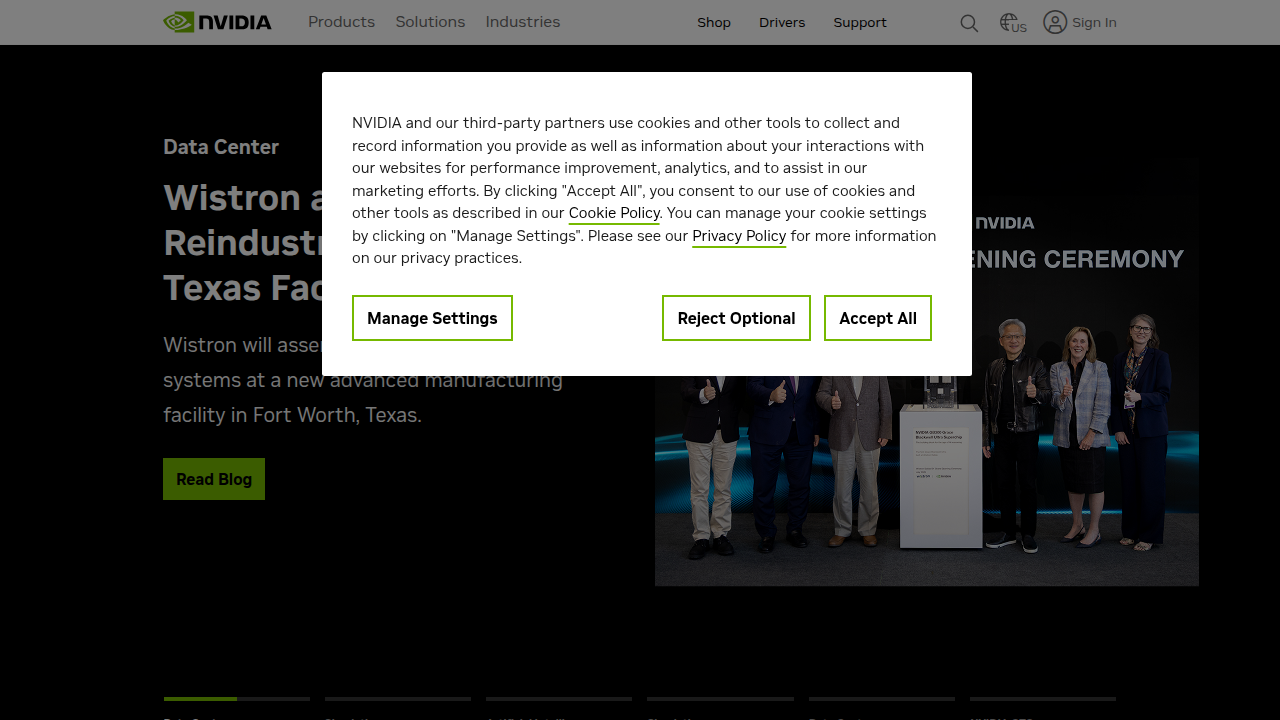
NVIDIA Launches Nemotron Coalition of Leading Global AI Labs to Advance Open Frontier Models.
For your engineering team, deciding between using a company’s ready-made AI model (which is called "proprietary") and an open-source model is a big choice.
- Proprietary models are often easier to use right away. They might come with strong support and clear guarantees (SLAs). But you have less control over how they work inside.
- Open-source models give you much more control. You can change them to fit your exact needs, doing things like specific feature engineering for your data. This can lead to very special solutions. However, using open-source often means your team needs more skill to set things up and maintain them. It’s a big part of why many developers see open future AI is the new standard for developers in 2026.
An IT architect or a systems engineer looking at how to build software needs to weigh these choices carefully. It’s about finding the right balance between ease of use and full control for your project. Many of the top AI companies today contribute to both sides of this coin. They offer powerful proprietary services while also supporting the open-source community that drives innovation. Keeping up with these quick changes in AI can be tough.
Stay informed with the latest insights.
The AI Newsletter Worth Reading
Keeping up with these quick changes in AI can be tough. For engineers, staying on top of the tools they use every day is key. This means understanding developer platforms, Software Development Kits (SDKs), and other helpful tools.
Developer platforms, SDKs and tools: what engineers actually use
When it comes to building with AI, engineers need good tools. These tools are often part of larger developer platforms. They include things like SDKs, which are sets of tools that make it easier to build apps for a specific platform. Think of them as pre-made building blocks that help your team create applications more smoothly.
A good AI platform for a modern engineering team in 2026 should offer several important features:
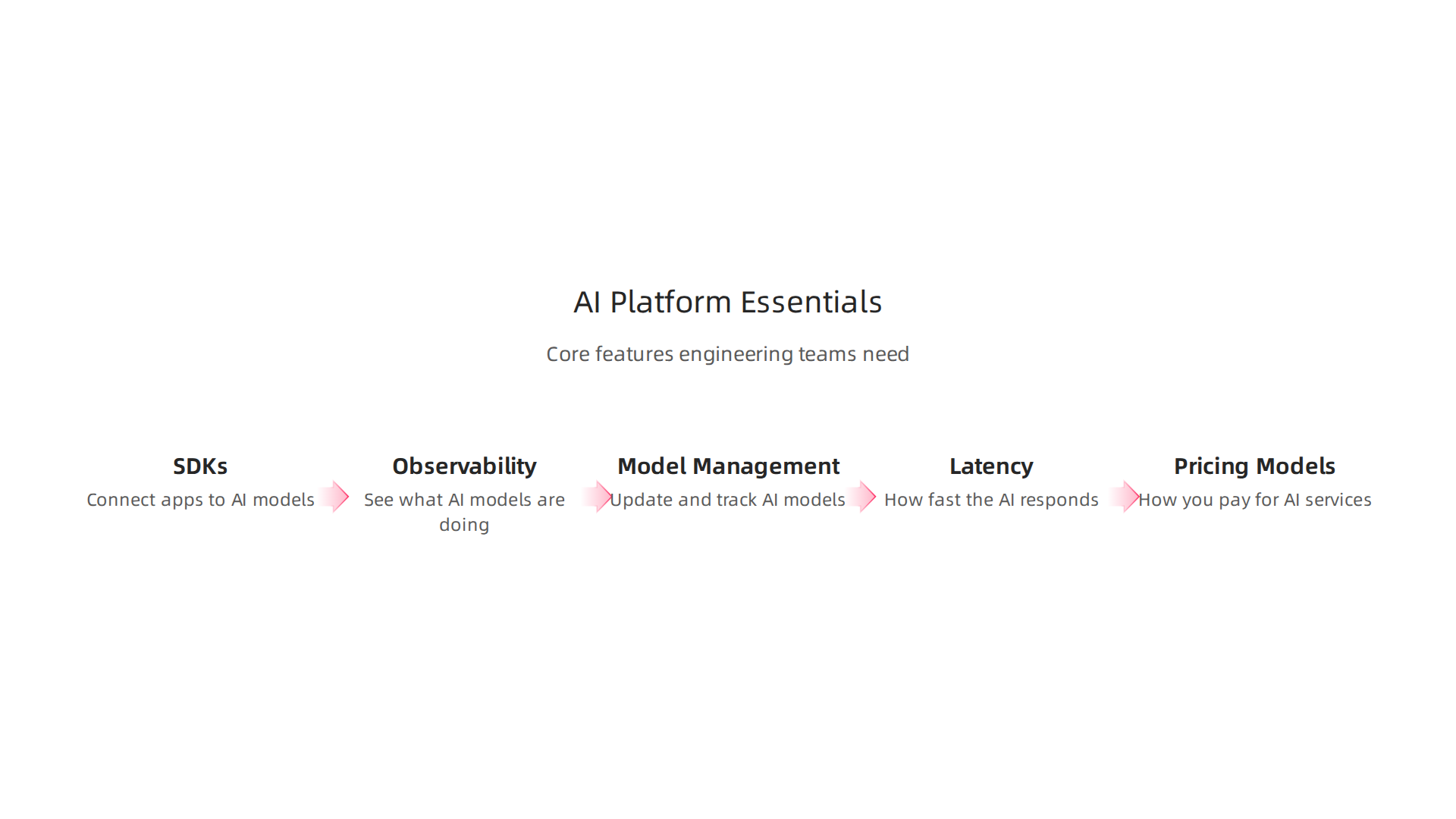
- SDKs: These kits allow developers to easily connect their apps to AI models and services. They help with tasks like setting up the AI, sending it data, and getting results back.
- Observability: This means you can see exactly what your AI models are doing. It’s like having a clear window into their operations, letting you know if they’re working well or if something is going wrong. This is crucial for fixing problems fast.
- Model Management: AI models are always changing. Platforms need to make it simple to update models, switch between different versions, and keep track of them all. This helps engineering teams manage their AI solutions with ease.
- Latency: This is about how fast the AI responds. For many apps, especially those that interact with users, a quick response time is a must. Low latency means a more seamless AI experience for everyone.
- Pricing Models: How you pay for AI services is also important. Different platforms have different ways of charging, and choosing the right one can save your company a lot of money.
Some of the best AI development platforms in 2026 offer strong end-to-end experiences. This means they give you almost everything you need in one place, from building to managing your AI. Companies like Microsoft Azure AI and Google’s Vertex AI are known for their wide range of services that cover the whole developer process
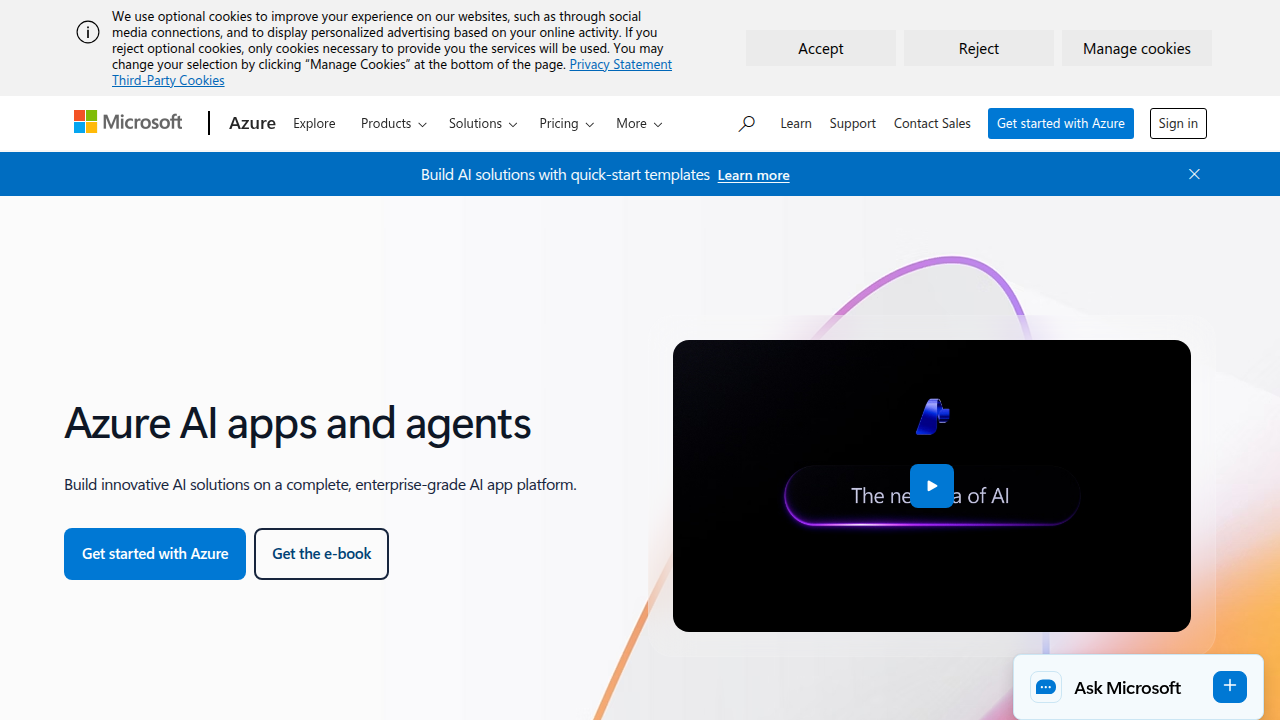
Best Artificial Intelligence Development Software (2026). These big players are often considered among the top AI companies when it comes to offering comprehensive solutions.
On the other hand, some tools are "best-of-breed." These are specialized tools that do one thing extremely well. For example, some AI coding assistants are top-notch for helping developers write code faster. Many developers also find value in tools that help with prompt engineering, which is about writing good instructions for the AI to follow. If you are a software founder or an IT architect, you might choose to mix and match these best-of-breed components to create a custom workflow. For a systems engineer jobs often involve integrating these different parts effectively.
This choice between an all-in-one platform and specialized tools depends on your project’s needs and your team’s skills. The goal is always to create efficient workflows and build solid AI-powered applications. To learn more about how to use AI in your daily work, check out this guide on how to use AI for software development in 2026.
After picking the right tools, the next big step is having the right people on your team. Building AI-powered applications is a team effort. You need different kinds of experts, each with special skills, to make everything work well.

Knowing who does what helps your team build efficient workflows and reach your product goals.
Here are the key roles you’ll find on strong AI development teams in 2026:
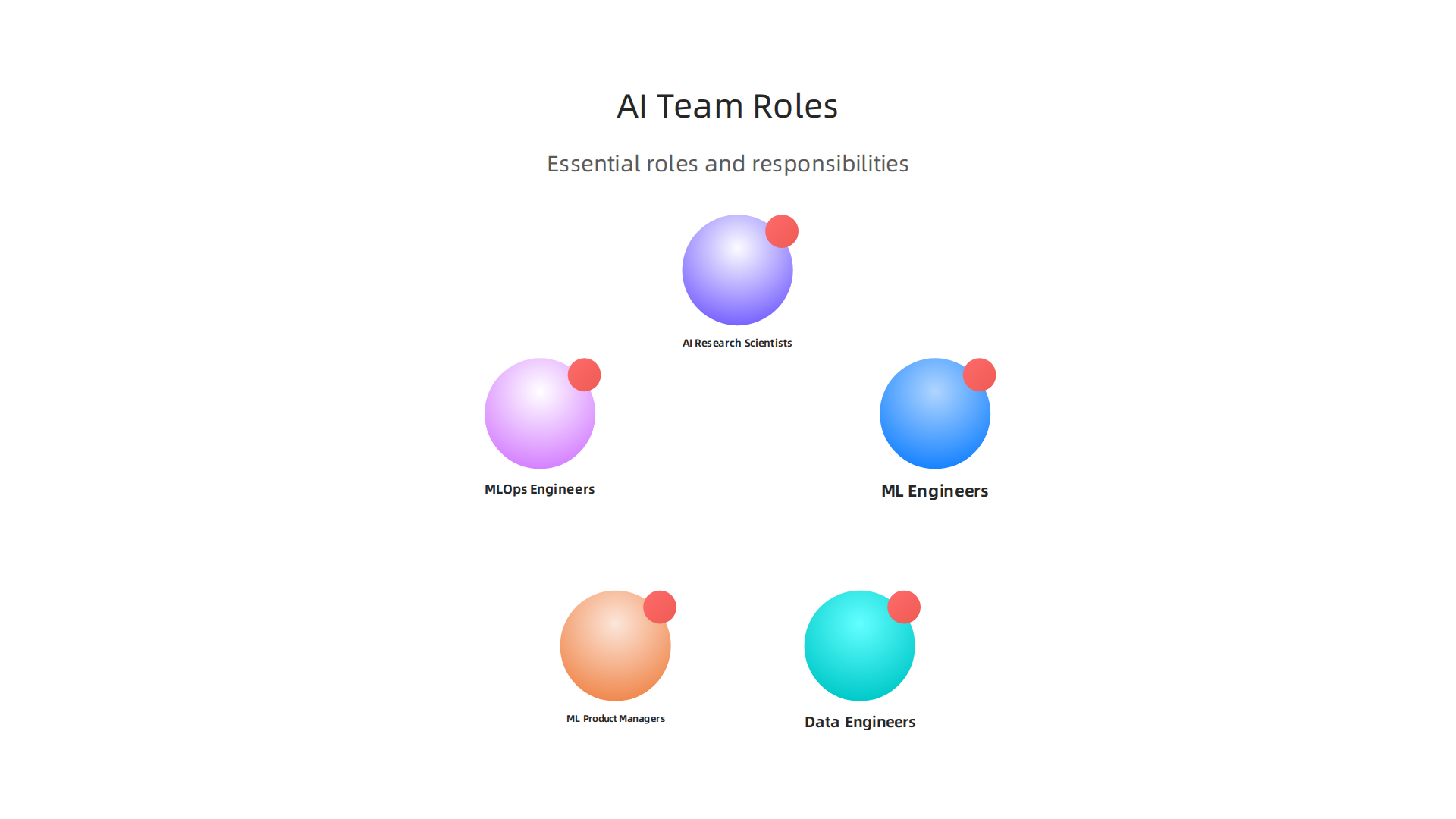
- Machine Learning (ML) Engineers: These are the builders. They take the ideas for AI models and turn them into working code. They help deploy models and make sure they run smoothly in real products. Often, their job includes tasks like feature engineering, which means preparing data so the AI can learn better.
- Data Engineers: Before an AI can learn, it needs good data. Data engineers are like the plumbers of data. They collect, clean, and organize large amounts of information, making sure it’s ready for the ML engineers and data scientists to use. They build and maintain the systems that handle all this data.
- ML Product Managers: These folks connect the technical side of AI with what customers actually need. They figure out what AI products to build, why they’re important, and how they will help users. They set the vision and strategy for AI-powered products, guiding the team.
- MLOps and Infrastructure Engineers: MLOps stands for Machine Learning Operations. These engineers make sure AI models can run all the time, reliably and without problems. They set up the systems that monitor, update, and manage AI models. Think of them as the people who ensure a seamless AI experience. Many of these are systems engineer jobs where they build and keep the AI’s home running.
- AI Research Scientists: These experts explore new ideas and push the boundaries of AI. They might develop new ways for AI to learn or solve problems that no one has tackled before. While not every team needs one, top AI companies often have research scientists working on cutting-edge solutions.
How Roles Connect to Goals and Tools
Each of these roles has specific goals, often called Key Performance Indicators (KPIs). For example, an ML engineer’s KPI might be how quickly they can deploy a new AI model, or how accurate that model is. A data engineer’s KPI might be the quality of the data they provide or how fast they can get new data ready.
When your team chooses AI tools or platforms, they think about these roles and their goals. An it architect might pick a platform that makes it easier for data engineers to move data around. An ML product manager might look for tools that help track how users interact with the AI. The tools picked should help each team member do their job better and more easily.
Understanding these roles also helps when you are looking to grow your team or your own skills. If you’re wondering about career paths in this exciting field, you might want to explore the demand and skills needed for different Computer Science Jobs 2026.
To stay updated on the fast-changing world of AI and how these roles fit into the bigger picture, it’s helpful to get regular insights.
Get clear daily AI updates from The AI Newsletter Worth Reading.
After understanding the key roles needed for an AI team, the next big questions are: do you hire all these people yourself, or do you work with others? This involves careful planning, whether you are hiring new team members or partnering with outside companies. Making smart choices here is key to how fast your AI projects move and how well they succeed.
Build Your Own or Partner Up?
When it comes to getting your AI projects off the ground, you have two main paths. You can either build your own team in-house, hiring all the experts like ML engineers and data scientists. Or, you can partner with an external vendor or one of the many top AI companies that offer ready-made solutions or specialized services.
Choosing between "build" or "buy" often depends on how quickly you need results and the specific skills your team already has. Building in-house gives you full control and helps your team learn deeply about AI. But it can be slow and expensive to find and hire all the right people. Sometimes, hiring experts can take time, especially for roles like systems engineer jobs that need very specific skills.
On the other hand, partnering with a vendor or buying a pre-built AI solution can help you get started much faster. This is great for "speed-to-value," meaning you see results sooner. Many top AI companies offer platforms or services that can create a more seamless AI experience for your business without you needing to build everything from scratch. This can free up your internal team to focus on other important parts of your overall AI Software Development in 2026.
Practical Procurement Checklist for Top AI Companies
If you decide to work with outside vendors, especially top AI companies, you need a smart way to pick the best one. This is called procurement. Here’s a checklist of things to look for in 2026:
- Understand Their Services: First, be very clear about what problem you want the AI to solve for you. Do you need help with data preparation, like
feature engineering, or with making sure your AI models run smoothly? Make sure the vendor’s services directly match your needs and clearly define how success will be measured AI Vendor Selection: Evaluation Criteria and Checklist. - Check for Compliance: It’s super important that any AI partner follows the rules for data privacy and security. Ask about their certifications, like SOC 2 Type II, and if they follow rules like HIPAA (for health data) or GDPR (for European data). You should also check if they meet the new EU AI Act standards AI Vendor Evaluation Checklist for 2026 Procurement. This helps keep your data safe and avoids legal trouble.
- Service Level Agreements (SLAs) and Support: What happens if the AI stops working? You need to know that your vendor will fix problems quickly. Ask about their uptime promises (SLAs) and what kind of support they offer, like how fast they respond or if they offer help 24/7 The 2026 Enterprise AI Procurement Playbook: RFPs, Vendors ….
- Data Handling and Security: How will your data be used? Make sure the vendor promises not to use your private data to train their general AI models without your clear permission. Also, check what security measures they have to protect your information What Every CISO Must Demand from AI Vendors: A Risk … – LinkedIn.
- Exit Strategy: What if you decide to stop working with them later? A good contract will include a clear plan for how you can get your data back and move away from their service without trouble. This helps you avoid being stuck with a vendor that no longer meets your needs How to Evaluate an AI Partner: A 2026 Procurement Checklist.
By asking these questions, you can make sure you pick a partner that is reliable, secure, and truly helps your business grow with AI.
Risk, safety and ethics when selecting AI partners
Even after you pick from the many top AI companies using a good checklist, your job is not over. Working with outside AI partners means you also need to think about ongoing risks, how safe things are, and what is right and fair.

This is super important because AI systems can sometimes change how they act over time or make decisions in ways we do not expect.
Here are some main things product and engineering leaders need to watch out for:
- Data Privacy and Use: You’ve made sure your partner protects your data. But how exactly do they use it? Make sure your private company data is not used by the vendor to train their AI models without your clear permission. It’s like lending a tool; you want to know what it’s being used for. Companies need to be very clear about data handling policies to avoid problems down the road AI Vendor Due Diligence Checklist 2026: 50+ Questions.
- Model Drift: AI models are trained on data, but the real world changes. Over time, an AI model’s performance might get worse because the data it sees every day is different from the data it learned from. This is called model drift. You need to ask potential partners how they plan to watch for this and fix it. They should have ways to test their AI often to make sure it’s still doing its job correctly The New AI Vendor Checklist: Drift Controls, Red-Team ….
- Explainability: Can you understand why the AI made a certain decision? Sometimes, AI models are like "black boxes" where it is hard to see inside. For important tasks, like in healthcare or finance, knowing why an AI suggests something is crucial. Your AI partner should be able to explain how their AI works in a way you can understand. This helps you trust the AI and correct it if something seems wrong.
- Vendor Compliance: Beyond general data rules, new laws like the EU AI Act are coming into play in 2026. These laws set new standards for how AI is developed and used. Your partner needs to know and follow these rules. Checking their adherence to standards like NIST (National Institute of Standards and Technology) or ISO 42001 can help you ensure they build trustworthy systems.
A Simple Risk-Assessment Plan for Leaders
For product and engineering leaders, a brief plan can help you keep an eye on AI risks:
- Ask for Transparency: Always ask your AI partner to be open about their models. How were they built? What data did they use?
- Regular Checks: Set up regular reviews with your vendor. Look at how the AI is performing, if any issues have come up, and what changes they’ve made.
- Test for Fairness: Make sure the AI treats everyone fairly and doesn’t show bias. This is part of ethical AI use.
- Have a Backup Plan: What if the vendor’s service has issues? Always have a plan for what you would do if their AI stopped working as expected.
- Educate Your Team: Make sure your own team, maybe including your
it architector other tech leads, understands these risks. They need to know how to spot problems and work with your AI partners to fix them.
Having a good plan for checking risks is like having a map for a long trip. It helps you stay on track and deal with bumps along the way. Using a structured approach can help you assess these risks more completely AI Vendor Risk Assessment: 50-Point Template for 2026. Learning how to build trustworthy systems is key for any company using AI. To deepen your understanding of these critical areas, explore more about building Doctor AI in practice.
Staying updated on the fast-changing world of AI is crucial for making smart decisions.
Get clear daily AI updates from The AI Newsletter Worth Reading.
After you have carefully picked your AI partners and made sure everything is safe, the next step is to put their AI systems to work. This means having a clear plan for testing new AI ideas and then slowly making them a part of your daily operations. You need a good "adoption playbook" to make sure everything goes smoothly from a small try-out (pilot) to full use (production).
Adoption playbook: pilot-to-production patterns
Getting AI from even the most trusted and top AI companies into your everyday work needs a smart plan. It’s not just about turning it on. You want to make sure the AI helps your company without causing new problems.
Starting with Small Tests (Pilots)
First, try out the AI in a small, controlled way. This is called a pilot.
- Set Clear Goals: What do you want the AI to do? Be very specific. Maybe you want it to help your customer service team answer questions faster, or help your software engineers with coding.
- Pick the Right Place: Choose a small team or a small part of your business where the AI can be tested without too much risk.
- Measure Success: Before you start, decide how you will know if the pilot worked. Will you look at how much time it saved, how happy customers are, or how much money it helped you make? This also involves understanding how to measure the quality of any "feature engineering" the AI does.
Moving from Pilot to Full Use
If the pilot goes well, you can start to use the AI more widely.
- Slow Rollout: Do not put the AI everywhere at once. Roll it out in phases, like adding it to one department, then another. This helps you fix small problems along the way.
- Watch Closely: Keep a close eye on how the AI is doing. Are there any unexpected issues? Is it still working as expected? This helps you avoid "operational surprises".
Tools to Help You Watch and Learn
To make sure your new AI system works well, you need the right tools and ways to observe it. This helps you avoid future problems, often called "technical debt".
- Monitoring Tools: These tools watch the AI’s performance all the time. They can tell you if the AI is slowing down, making mistakes, or using too many resources. This helps ensure "seamless AI" operations.
- Logging: This means keeping a record of everything the AI does. If something goes wrong, you can look back at the logs to find out why.
- Alert Systems: Set up alerts that tell your team, like your IT architect or other experts, right away if there is a big problem. Many top AI developer tools in 2026 offer these kinds of features to make integration easier The top AI developer tools to use in 2026.
By following these steps, you can bring AI into your company in a smart way. This helps you get the most out of your AI investment and makes sure it truly helps your team and business grow. To learn more about how AI can change your development process, read about AI software development in 2026. This kind of careful planning is key for any company looking to use AI.
Summary
This article explains why engineering and product teams must actively track top AI companies and roles in 2026, and it lays out the practical choices teams face when building AI products. It describes the main kinds of AI providers — cloud giants, specialized model firms, research labs and startups — and compares their APIs, pricing, SLAs and control over models. The guide walks through developer platforms, SDKs, observability, latency and model management needs so teams can choose the right tooling. It also explains the trade-offs between proprietary services and open-source models, and lists the core roles (ML engineers, data engineers, MLOps, product managers and researchers) needed to ship safely. The article gives a procurement checklist for evaluating vendors, plus risk controls for privacy, model drift, explainability and regulatory compliance. Finally, it outlines a pilot-to-production adoption playbook with monitoring, logging and rollout patterns to help teams move from experiment to reliable production.