
Facts About Computer Science Growth and Learning Paths for 2026
· 18 min read

Introduction
Computer science is changing nearly every part of our lives. From the apps on your phone to the AI tools that help you work, this field drives innovation everywhere you look. But here’s the thing: keeping up with the latest facts about computer science can feel impossible.
You might search for "difference between IT and computer science" only to get conflicting answers. Or you look for computer technology courses and end up lost in a sea of options. The information is out there, but sorting the useful from the noise takes time you don’t have.

That’s a real problem for developers, career changers, and anyone building skills in tech. The US Bureau of Labor Statistics projects software developer jobs to grow 15% from 2024 to 2034, which is about five times the average for all occupations

(you can read more in the software engineer unemployment stats overview). Yet with big headlines about layoffs and rising graduate unemployment, it’s easy to feel unsure about your next move.

This article cuts through the clutter. We’ve gathered the most current facts about computer science, top online platforms for building skills, and proven learning strategies backed by real data. Whether you’re trying to understand the difference between IT and computer science or hunting for the best computer technology courses, you’ll find clear, actionable guidance here.
Staying informed doesn’t have to be overwhelming. If you want daily, easy-to-digest updates on AI and tech trends, consider subscribing to The AI Newsletter Worth Reading. It delivers clear daily AI insights straight to your inbox.
Let’s start with the essential facts you need to know in 2026.
Key Statistics About Computer Science Growth
Let’s jump straight into the numbers that define computer science in 2026.
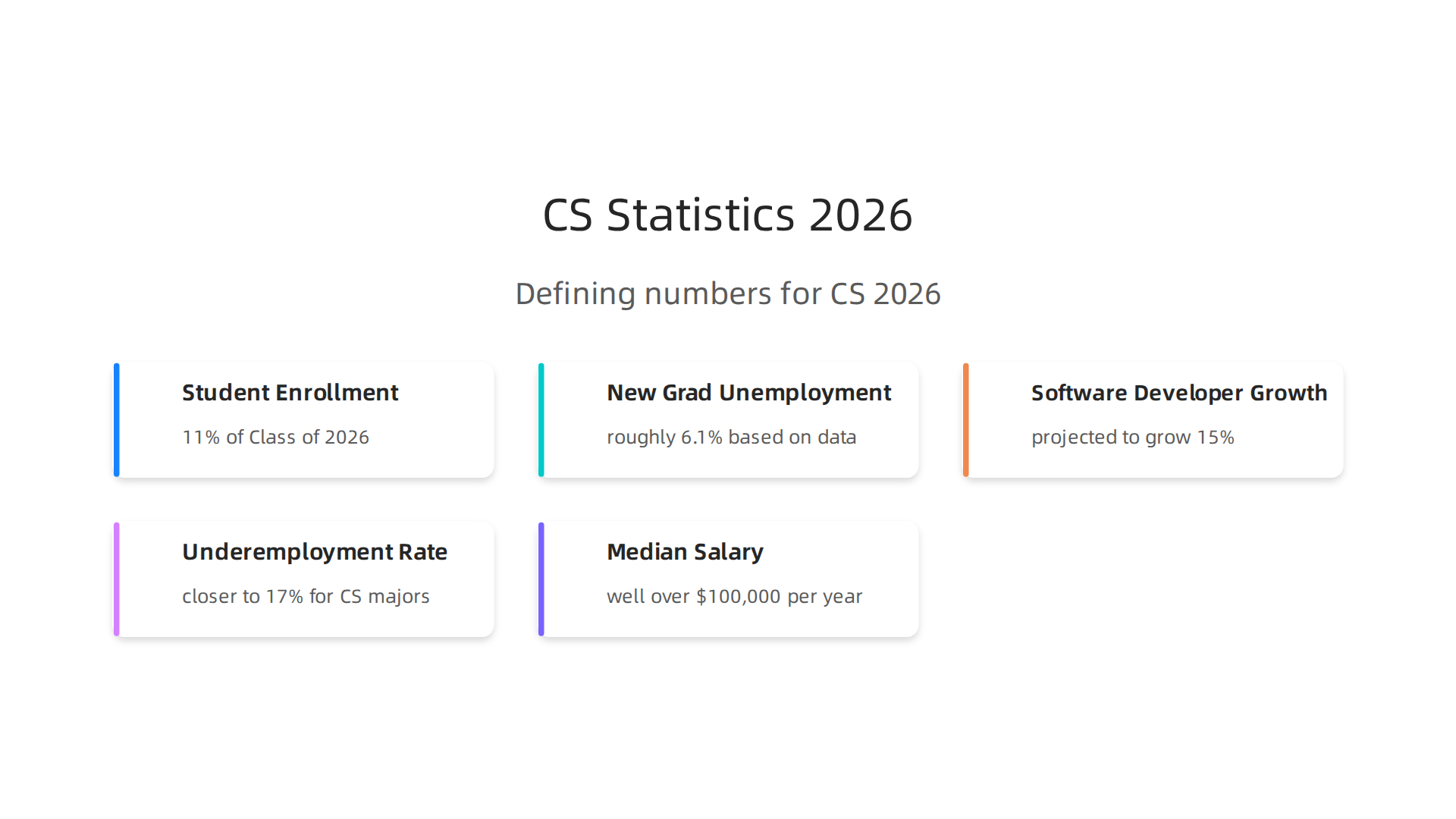
More students are pursuing this field than ever before. Computer science majors now make up 11% of the Class of 2026. That is up from just 7% a few years ago. You can see the full breakdown of these enrollment trends in the Class of 2026 spotlight on computer science majors from Handshake.
Of course, you have probably seen the scary headlines. Recent graduates in computer science face an unemployment rate of about 6.1% based on the latest Federal Reserve data. That is higher than the average for all new college graduates. It is enough to make anyone feel worried about choosing this path.
But here is the full picture. Long-term demand for skilled tech workers is incredibly strong. The Bureau of Labor Statistics projects that jobs for computer and information research scientists will grow 20% from 2024 to 2034. Software developer roles are projected to grow 15% over the same period. Both numbers are much faster than the average for all occupations.
There is another stat that matters even more: underemployment. This measures whether graduates are working in jobs that actually require their degree. For all recent college graduates, the underemployment rate is roughly 42%. For computer science majors, it is closer to 17%. In other words, if you land a job in computer science, it is almost always a real, high-skilled role. And the pay reflects that. The median salary for top computer science jobs in 2026 is well over $100,000 per year.
The field is also slowly becoming more inclusive. Universities and companies are actively working to bring more diverse talent into tech. This push means better products and stronger teams for everyone.
Understanding these facts about computer science helps you see past the hype and the fear. The next question is how to get started building real skills. Check out this practical roadmap for beginners using AI and real projects to help you train for the roles that actually exist. This will also help you understand the difference between IT and computer science once and for all.
Top Online Platforms for CS Education
Once you understand the facts about computer science, the next step is picking where to learn.
The good news is you have more options than ever in 2026. Many platforms now offer structured paths that match what employers actually need.
Massive Open Online Courses (MOOCs)
Platforms like Coursera and edX give you university-level curricula without the full tuition bill.
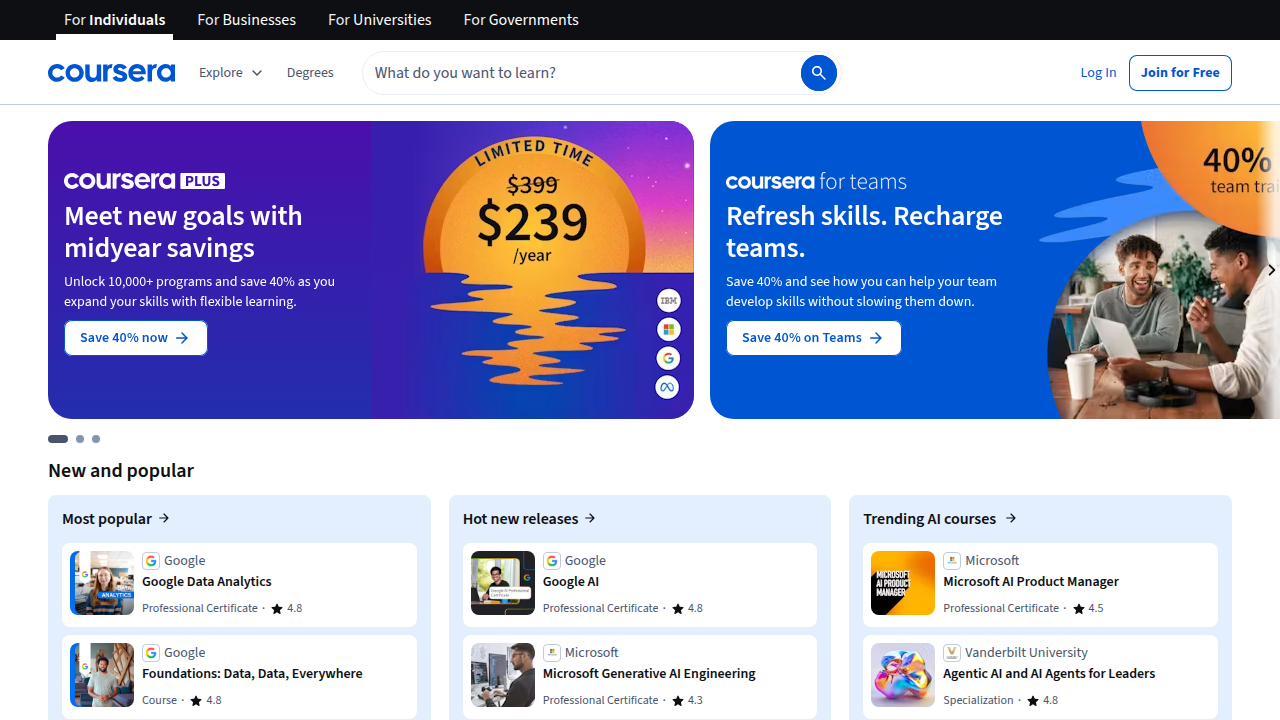
You can take courses from top schools like Harvard, MIT, and Stanford right from your living room. These MOOCs cover everything from beginner programming to advanced machine learning. Many courses let you audit for free, and you can pay for a verified certificate if you want proof of completion. According to a review of the best online computer science degree programs, these platforms are becoming a popular choice for both degree seekers and lifelong learners.
Interactive, Hands-On Coding Platforms
If you learn best by doing, interactive platforms like Codecademy and freeCodeCamp are great picks. They let you write real code inside the browser. You get instant feedback, so you can fix mistakes right away. freeCodeCamp is completely free, while Codecademy offers a paid tier with more projects. These platforms focus on the practical side of building software, which is exactly what hiring managers look for.
Industry-Recognized Certificates and Microcredentials
Many platforms now offer certificates that actually carry weight. Coursera has professional certificates from Google, IBM, and Meta. edX offers MicroMasters programs that count toward real graduate degrees. These credentials help you prove your skills to employers without a full degree. They are a smart way to fill specific knowledge gaps, like cloud computing or data science.
Staying current with fast-moving tech trends is just as important as the courses themselves. Understanding how AI is changing the way we code helps you pick the right skills to learn. Check out this breakdown of AI coding assistants in 2026 to see what tools professionals are using.
One more tip: staying informed about the broader tech landscape will make you a better learner. For daily updates on AI and its impact on software development, consider subscribing to The AI Newsletter Worth Reading. It delivers clear insights straight to your inbox so you never miss what matters.
Massive Open Online Courses (MOOCs)
If you want to learn from professors at MIT, Stanford, or Harvard without paying tuition, MOOCs are your ticket. Platforms like Coursera and edX bring university-level computer technology courses straight to your laptop or phone.
Here is what makes them special:
- World-class instructors. You watch lectures from actual faculty at top universities. The material is the same stuff taught on campus.

- Flexible pacing. You can speed through topics you already know and slow down on the hard parts. Deadlines exist but most courses let you set your own schedule.
- Affordable entry. You can audit almost any course for free. Verified certificates cost extra, but you never have to pay just to learn. According to a review of the top ranking course websites for students in 2026, many platforms also offer financial aid for learners who need it.
This matters because one of the most important facts about computer science is that the field changes fast. University curricula can lag behind, but MOOC providers update their content regularly. You get current skills, not stale theory.
Many students wonder about the difference between IT and computer science when choosing courses. MOOCs help clear that up. You can sample an intro CS course and an IT fundamentals track side by side without committing to a full program. It is the easiest way to test the waters.
Specializations and Professional Certificates are another big draw. You take a series of related courses, complete a capstone project, and earn a credential that employers recognize. Google, IBM, and Meta all offer professional certificates on these platforms. They are designed for people who want job-ready skills in months, not years.
Think of MOOC platforms as an online marketplace for educational resources. You browse course catalogs, read reviews, and pick what fits your goals. No application process, no admissions committee. You just start learning.
Once you finish a few courses and want a structured path forward, check out this practical roadmap for beginners in 2026. It connects everything you learn inside MOOCs to real-world projects that build your portfolio.
Interactive Coding Platforms
Knowing computer science theory is important. But you also need to write code. Lots of it. That is why interactive coding platforms exist. Sites like LeetCode, HackerRank, and Codewars are built for one thing: solving problems.

These platforms focus on the kind of challenges you face in real job interviews. You get a problem, you write a solution, and the system checks it instantly. It is the best way to practice for technical interviews. And it directly connects to the most important facts about computer science: you learn by doing, not just watching.
What makes these sites so effective? Gamification. You earn points, unlock levels, and compete with others. It turns practice into a game. Community challenges keep you coming back because you want to beat your own score or help others.
Most platforms also include an integrated development environment (IDE) right in your browser. You do not set up anything. You just open a problem and start typing. The system gives you real-time feedback on your code. If something is wrong, you see it immediately. This is one of the best computer technology courses you can get for free.
A recent roundup of the best online coding courses for 2026 highlights how these platforms have grown. They now cover everything from basic syntax to advanced algorithms.
Once you get comfortable solving problems on these sites, you can take your skills further. Consider a science-backed framework for deep comprehension that helps you truly understand why code works the way it does.
Staying current in tech means knowing how AI is changing coding, too. For quick daily updates, check out The AI Newsletter Worth Reading. It keeps you informed without the noise.
Foundational Computer Science Concepts: Algorithms and Data Structures
Interactive coding platforms are great for practice. But what exactly should you practice? The answer comes down to two core topics: algorithms and data structures. These are the building blocks behind all the best code you will ever write. And understanding them is one of the most important facts about computer science you need to know.
Think of data structures as ways to organize information. Arrays, lists, trees, and hash tables each store data differently. Algorithms are the step-by-step instructions that work with that data. Sorting, searching, and traversing are common examples. Together, they decide how fast and efficient your code runs. That is why every technical interview tests them.
The best computer technology courses in 2026 treat algorithms and data structures the right way. They do not just throw theory at you. They combine concepts with hands-on exercises. A guide to the top websites for learning to code in 2026 shows that the strongest platforms mix interactive lessons with real coding challenges. This is the core difference between it and computer science in practice. IT focuses on using systems. Computer science is about understanding how they work under the hood.
You can also learn with open-source textbooks and visual tools. Sites like VisuAlgo let you watch sorting algorithms run step by step. These free resources work like an online marketplace for educational resources, but without the price tag. They help you see what happens inside the machine.
If you want to build on these concepts with practical skills, check out this practical roadmap for learning to code that matches what employers look for.
Foundational Computer Science Concepts for Every Developer
Algorithms and data structures are a great start. But they are just one piece of the puzzle. To become a truly capable developer, you need a broader foundation.
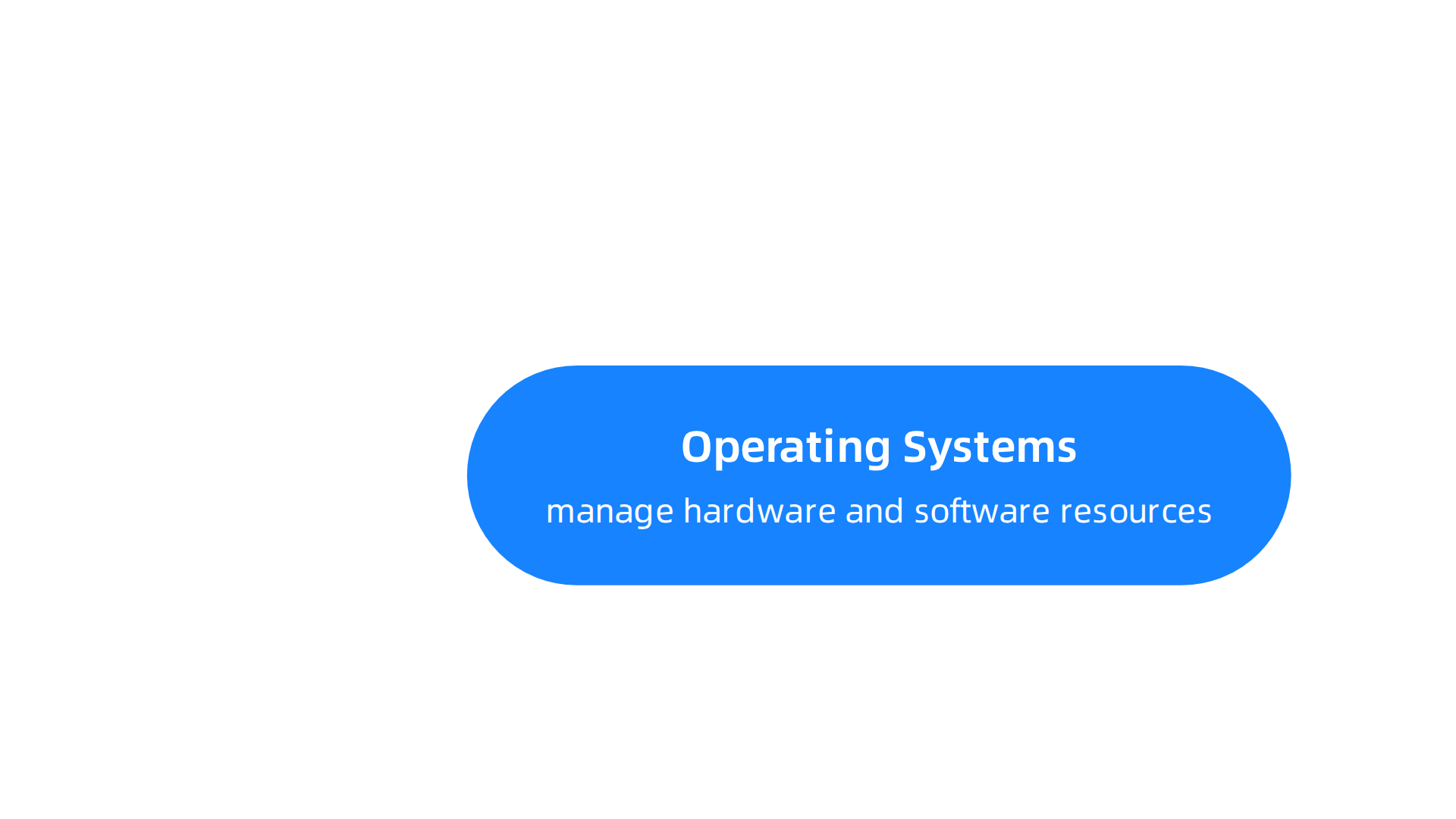
Strong developers understand operating systems, networks, databases, and software engineering principles.
Operating systems manage the hardware and software resources of a computer. Knowing how processes, threads, and memory work helps you write code that runs efficiently and doesn’t crash. Networks let computers talk to each other. Understanding DNS, HTTP, and basic IP addressing helps you build apps that communicate reliably. Databases store your data. Learning SQL and how indexing works prevents your application from slowing down as it grows.
Software engineering principles keep your code clean and maintainable. Concepts like separation of concerns, design patterns, and version control help you work in teams and build projects that last. These topics are not just for college students. Many self-taught developers discover they need them later. Taking structured computer technology courses fills those gaps faster than learning by trial and error.
A solid foundation in these core areas lets you troubleshoot problems, optimize performance, and adapt to new tools and languages. It also prepares you for technical interviews, which often ask about these topics. A well-known guide on what every computer science major should know lists operating systems, networking, and software design as essential knowledge for long-term success.
If you want structured help, check out the best online web development courses to learn in 2026 that cover these fundamentals.
Technology keeps evolving fast. To stay informed about the latest shifts, especially in AI, consider subscribing to The AI Newsletter Worth Reading for clear daily updates that complement your growing computer science knowledge.
Effective Self-Learning Strategies for Computer Science
So you’ve seen the list of computer science concepts every developer needs. Now the real question is: how do you actually learn all that on your own?
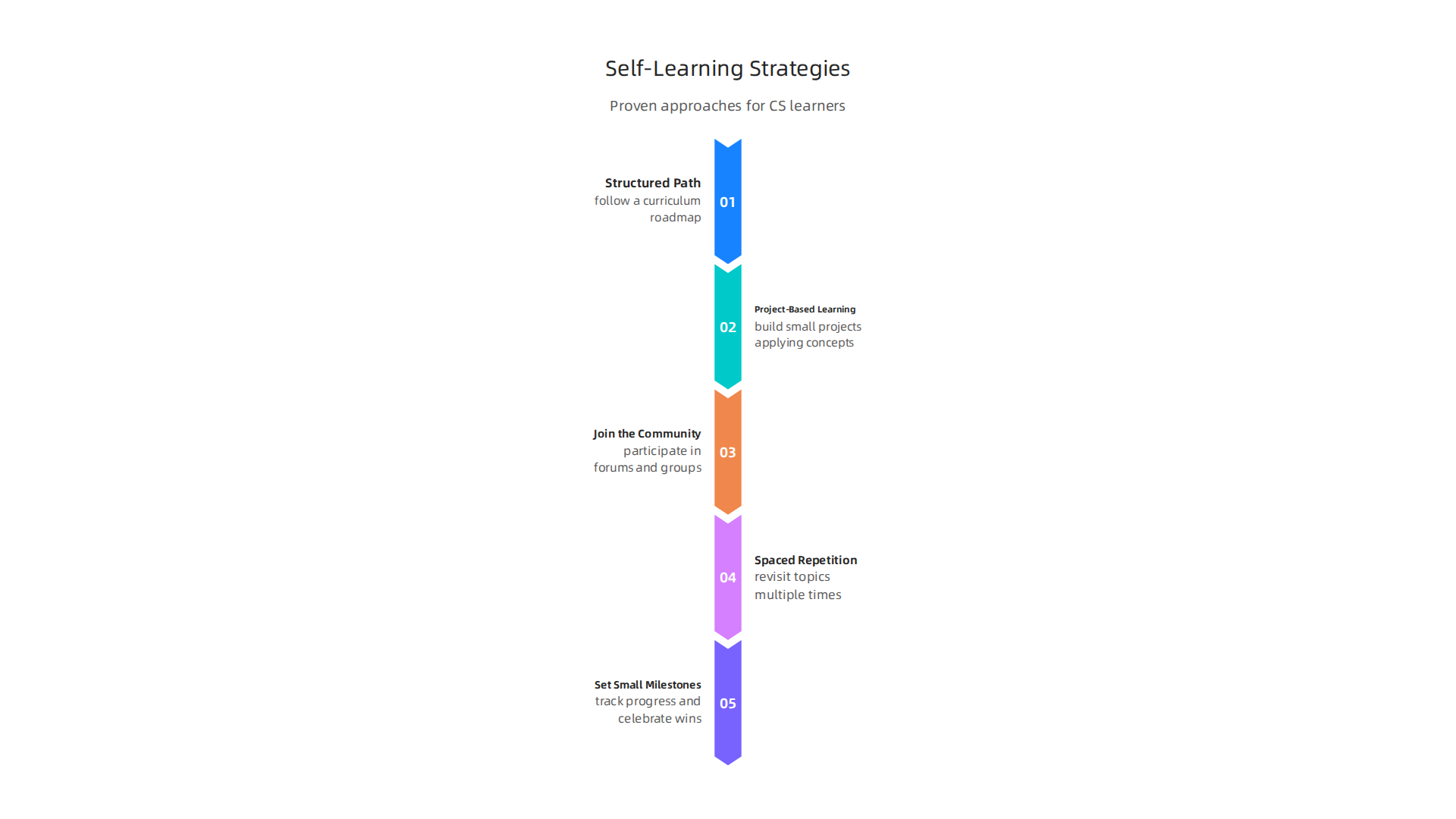
Here’s the thing. Self-learning computer science is completely possible, but it takes more than just reading a textbook or watching a few videos. You need a real plan. You need discipline, hands-on practice, and a community to keep you going.
Start with a structured path. Instead of jumping between random tutorials, follow a curriculum. Many developers have successfully used the self-study guide from Teach Yourself Computer Science which lays out exactly what to learn and in what order. That kind of roadmap saves you from wasting time on things you don’t need yet.
Next, make everything project-based. Reading about linked lists is boring. Building a simple to-do app that uses a linked list to manage tasks? That sticks. Every new concept you learn should turn into a small project. Build a sorting visualizer, a web scraper, or a basic text adventure game. Projects force you to actually understand the material.
Join the community. Computer science is not meant to be learned alone. Participate in online forums, ask questions on stack overflow, and contribute to open-source projects. You will learn ten times faster by reading other people’s code and getting feedback on your own. Even just explaining a concept to someone else helps cement it in your mind.
If you want a detailed roadmap that combines AI tools with real projects, check out this guide on how to learn to code in 2026 with a practical roadmap. It covers how to use modern tools to accelerate your progress.
Another powerful technique is spaced repetition. Revisit topics after a day, a week, and a month. Use flashcards or notes to review key facts about computer science. Your brain needs multiple exposures to really lock in tricky ideas like Big O notation or recursion.
Set small milestones. Don’t aim to master every computer science concept in a month. Aim to understand one data structure per week. Track your progress. Celebrate small wins.
The difference between IT and computer science is that IT focuses on applying existing technology, while computer science digs into the why and how behind it. If you want to truly understand how computers work, self-directed learning with these strategies will get you there.
The Impact of AI on Computer Science Education
One of the most surprising facts about computer science in 2026 is how deeply AI has reshaped the way people learn it. Self-study is still powerful, but AI tools now act as study partners that can explain concepts, generate examples, and give instant feedback.
Take GitHub Copilot, which is now free for students. It suggests code in real time and helps you understand patterns. Tools like ChatGPT can break down tough topics like recursion or memory management into simple language. According to a 2026 guide on the best AI tools for computer science students, these assistants are must-haves for anyone serious about learning. They speed up progress without skipping the fundamentals.
Schools are also adapting. Many computer technology courses now include AI ethics and machine learning as core topics. This means students learn not just how to code, but also how to build responsibly. Programs like the one at Lipscomb University now offer certificates in applied AI, with projects that build real-world solutions like an AI study coach.
AI even personalizes the experience. Smart platforms adjust lessons to your pace. Stuck on a concept? The system gives you more practice. Ready to advance? It moves you forward. This takes much of the guesswork out of self-directed learning.
For developers who want to understand how AI is reshaping the entire development workflow, the article on how AI is the new standard for developers in 2026 goes deeper into practical applications.
To keep up with all these rapid changes, a steady stream of reliable information helps. Many developers turn to the AI Newsletter Worth Reading for clear daily updates on AI and tech.
AI-Powered Tools for Developers
Beyond the classroom, AI tools are changing how professional developers work every day. These tools do more than just teach. They act as smart assistants that help you write, debug, and plan code faster.
Code completion tools like GitHub Copilot and Cursor AI suggest entire functions as you type. This slashes the time you spend on boilerplate and helps you spot patterns. A 2026 directory of the best AI tools for computer science students highlights Copilot as a free resource for students, but professionals use it too. It works in over 70 languages and learns from your coding style.
AI-based tutoring systems now live inside integrated development environments (IDEs). When you get stuck on a bug, these tools scan your code, explain the error in plain language, and suggest fixes. You get instant feedback without waiting for a peer review. That turns every coding session into a learning opportunity.
Natural language interfaces are a game changer. Instead of memorizing syntax, you can describe what you want in simple English. For example, you can ask, "Write a Python function that sorts a list of dictionaries by a key," and the AI generates the code. This lowers the barrier for beginners and speeds up experienced developers who need to prototype quickly.
To see how one specific AI assistant transforms the development workflow, check out the guide on Anthropic AI for developers and how Claude supercharges your coding workflow. It shows practical examples of using AI to complete tasks in minutes.
Future Directions in Computer Science Education
One of the most important facts about computer science in 2026 is that the path into the field looks nothing like it did a decade ago. The old model of a single four-year degree is giving way to more flexible, lifelong approaches. Here are the key trends reshaping CS education right now.
Microcredentials and stackable certificates are gaining real respect from employers. Instead of enrolling in a full degree program, you can earn short, focused credentials that prove you know a specific skill. Understanding the difference between IT and computer science helps you choose which microcredentials fit your career goals. Many professionals stack several of these over time to build a complete resume. Employers now recognize these badges as valid proof of ability. If you are considering this route, a 2026 software engineer certification is one option worth investigating.
Universities and tech companies are teaming up to create new pathways. These partnerships blend academic theory with real-world practice.
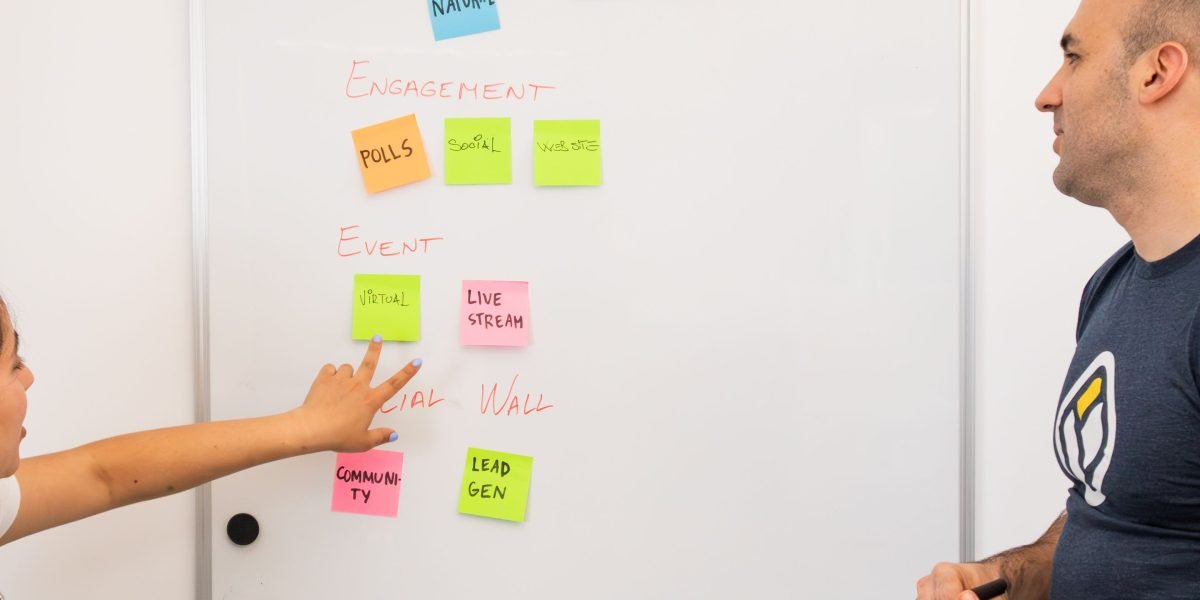
A university might work with a cloud computing company to offer a joint certificate. Students get deep theoretical knowledge plus hands-on training from industry experts. To stay competitive, experts recommend focusing on 7 emerging technologies every CSE student must learn.
Lifelong learning is now essential for every CS professional. Technology moves so fast that skills from just a few years ago can become outdated. The best developers stay current by taking short courses and following industry updates. An online marketplace for educational resources makes it easy to find focused computer technology courses on demand.
For professionals who want to keep pace with AI developments, getting clear daily updates is a smart habit. You can subscribe to The AI Newsletter Worth Reading for that purpose.
These directions show that CS education in 2026 is more open, flexible, and practical than ever before.
Summary
This article presents the clearest, up-to-date facts about computer science in 2026, covering job outlook, enrollment trends, and the real risks and rewards of choosing this field. It explains how demand remains strong—software developer and research scientist roles are projected to grow well above average—even as recent graduate unemployment and underemployment patterns complicate the picture. You’ll get practical advice on where to learn (MOOCs, interactive platforms, and industry certificates), which core topics to prioritize (algorithms, data structures, OS, networks, databases), and proven self-study strategies that use projects, spaced repetition, and community feedback. The piece also shows how AI tools like Copilot and tutor systems are reshaping both learning and day-to-day development, and why microcredentials and stackable certificates now matter. Read it to understand the difference between IT and computer science, pick the right courses, build a job-ready portfolio, and plan a learning path that matches employer needs in today’s market.