
Custom Software Development New York City Your Strategic Guide
· 22 min read

Why regional custom software development in NYC matters right now
Making big decisions about software for your business can feel like a maze.

When it comes to finding help for custom software development in New York City, it gets even trickier. You might think hiring a software development company is the same no matter where they are, but that’s not quite true. The local New York City market has its own special rules and costs that really matter.
Think about it: the people who build software in New York City earn good money. A software developer in New York can expect to make around $169,000 each year, which is much higher than the national average salary for the same job across the United States in 2026. This means the cost of custom software development services in NYC will naturally be higher than in other regions. This local cost difference is just one example of why decision-makers need to understand the New York City market clearly. You can’t just compare prices from a city with a much lower cost of living.
So, how do you make smart choices for your business? It’s important to look closely at companies that offer custom software development services right here in NYC. You need to know what questions to ask and what to look for. Just like you’d research the best way to master the software development lifecycle models, AI, and best practices for 2026, you need to learn about picking the right local team.
This guide will give you a clear, easy-to-understand way to think about hiring custom software teams in New York City. We will help you learn how to check out different companies, understand what their services might cost, look at how they deliver their work, and spot any possible risks. Our goal is to give you all the information you need to make the best choice for your company’s unique software needs in 2026.
Staying informed about the latest tech trends is vital for making these smart decisions. For daily, clear insights into AI and other big technology topics, consider getting The AI Newsletter Worth Reading. It helps cut through the noise so you can focus on what matters most.
Understand the NYC Market: Demand, Talent, and Vertical Specializations
New York City isn’t just any big city; it’s a hub for very specific types of businesses. These businesses often need special software made just for them, which creates a huge demand for custom software development new york city services. When you think about getting custom software development services here, it’s helpful to know which industries are driving this need.
NYC’s Hungry Industries for Custom Software
Many big industries in NYC rely heavily on unique software to stay ahead.
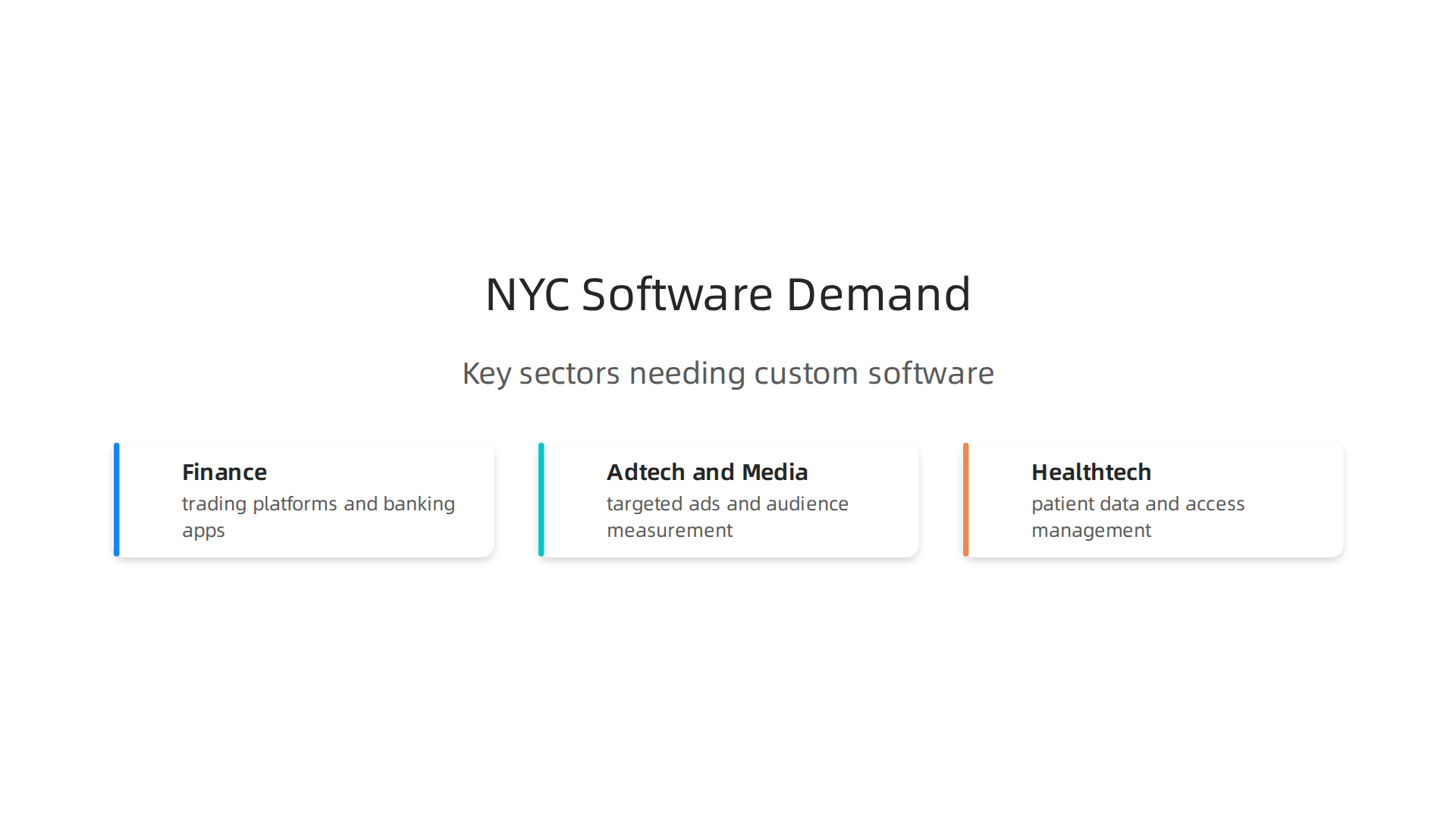
- Finance: Think about all the trading platforms, banking apps, and financial analysis tools. Companies in finance need super-fast, super-secure software that can handle huge amounts of money and data. They often need custom solutions that off-the-shelf software can’t provide.
- Adtech and Media: New York is a global center for advertising and media. These companies need clever software for things like targeted ads, managing content, and understanding what people watch or read online. Custom software helps them reach audiences in new ways and measure how well their campaigns are doing.
- Healthtech: Hospitals, clinics, and health startups in NYC are always looking for better ways to manage patient data, improve treatments, and make healthcare easier to access. Custom healthtech software can include tools for scheduling, patient records, or even apps that help people manage their health.
These industries often need software that connects many different systems, handles sensitive data safely, and can grow quickly as the business changes. That’s why custom software development is so important here.
The Talent Pool in New York City
Finding the right people to build this complex software is also a big part of the NYC market. New York City has a rich pool of skilled tech workers. In fact, by mid-2026, the number of tech workers with AI skills grew a lot, showing how quickly the talent here is adapting to new technologies. New York has even added thousands of tech workers in the last three years, showing its growing strength in this area New York added 30,640 tech workers in 3 years, surpassing San.
Local universities like CUNY and other schools play a huge role in creating this talent. They work with the city to offer programs that help people learn the skills needed for today’s tech jobs, especially in AI. The City of New York and CUNY are even investing millions into AI degree pathways to boost this talent pipeline NYC Talent and CUNY Announce $5.3 Million Towards AI. This means there are many bright, well-trained developers ready to work for a software development company or as part of a custom software development services team.
When looking for a partner for custom software development new york city projects, you’ll find many specialized agencies. These companies focus on specific types of software or industries, making it easier to find a team that truly understands your business needs. For example, many top AI development companies are based right in New York City in 2026 Top AI Development Companies in New York City | 2026. This strong local talent and specialized expertise make NYC an exciting place for businesses looking to build custom software.

For those looking to understand the broader landscape of tech jobs, especially related to AI, it’s worth exploring the trends in Software Developer Employment 2026: The Pivotal Year for Jobs and AI Skills.
After exploring the rich talent pool and specialized expertise available for custom software development new york city, the next natural step is to understand what that expertise costs. Working with a top-tier software development company in a vibrant market like NYC comes with specific financial expectations. Knowing these upfront helps businesses plan their custom software development services budgets wisely.

Cost expectations & budgeting: what to expect when hiring locally in NYC
When you’re thinking about custom software for your business, one of the first questions is always, "How much will it cost?" In New York City, pricing can vary quite a bit, but understanding common payment models and local factors will give you a clearer picture.
Common Pricing Models
Software development companies often use a few main ways to charge for their work:
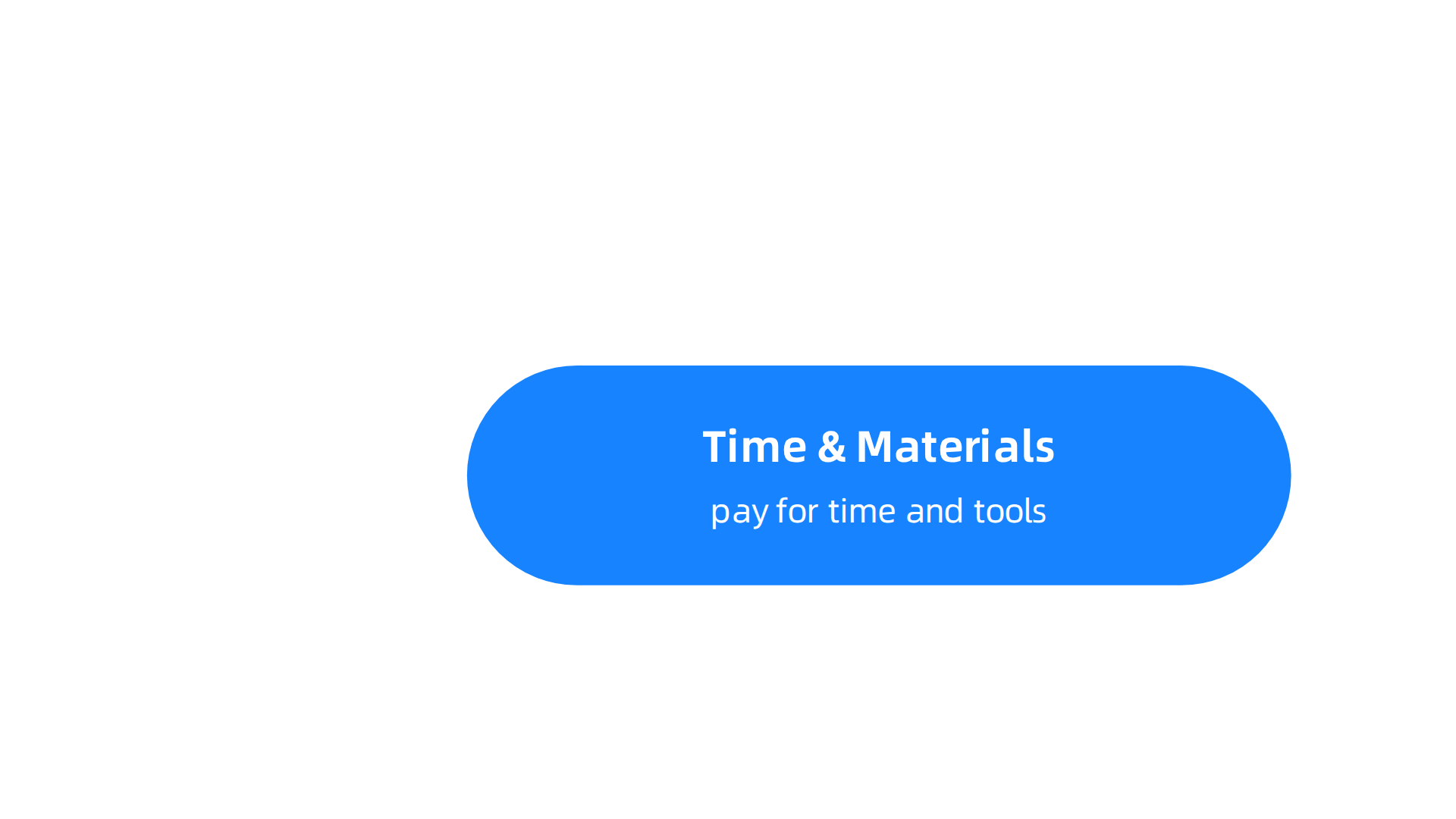
- Time & Materials: This is like paying by the hour or day. You pay for the actual time spent by the developers and the cost of any tools or materials used. It’s good for projects where the needs might change a lot, or when you’re not entirely sure what the final product will look like. It offers flexibility, but the total cost can grow if the project takes longer than expected.
- Fixed-Fee: With this model, you agree on a set price for the whole project before it starts. This is best when you have a very clear idea of what you want, and the project scope is unlikely to change. It gives you cost certainty, but changes during the project might cost extra.
- Milestone-Based: This model splits a big project into smaller parts, or "milestones." You pay a set amount each time a milestone is finished and approved. It’s a good middle ground, offering some flexibility while still giving you clear payment points as the project moves forward.
How NYC Market Factors Influence Rates
New York City is known for its high cost of living, and this definitely affects the price of custom software development. Skilled developers in NYC earn higher salaries than in many other parts of the country. For example, a software developer in New York can expect a median salary of about $169,000 per year in 2026, which is much higher than the national average Software Developer Salary in New York (2026). Some reports show the median total compensation for a software engineer in NYC around $193,000 in 2026, with senior roles earning even more Software Engineer Salary in 2026.
This higher pay means that when you hire a custom software development new york city firm, their rates will reflect these costs. You’re paying for top talent in a competitive market. The strong demand for specialized skills, especially in areas like AI, also pushes rates up.
Budgeting for Hidden Costs
Beyond the direct costs of development, there are other things you should think about when budgeting for a project in NYC:
- Compliance: New York has strict rules about data privacy and security, like the SHIELD Act, which requires businesses to protect personal information SHIELD Act | New York Attorney General. Making sure your custom software follows all these rules can add to the cost, but it’s very important to avoid legal problems. This often involves careful planning and specific technical safeguards during development.
- Local Taxes: Businesses operating in NYC face various local taxes that can affect overall project costs.
- Office/Onsite Rates: If you want developers to work from your office sometimes, or if they need special equipment, these things can add to the bill. Physical office space in NYC is expensive, and this is factored into overheads.
- Higher Retention Costs: Because the tech job market is so competitive in NYC, companies often pay more to keep their best developers. This means your
software development companymight have higher internal costs, which will be part of their project rates.
To get the most out of your budget, it’s smart to have a clear project plan and openly discuss all potential costs with your chosen software development company. For more on how development cycles are planned, consider exploring the various approaches to mastering the software development lifecycle models.
Staying informed about industry changes and best practices can also help you make better decisions for your business.
Get clear daily AI updates from The AI Newsletter Worth Reading.
After understanding the costs involved, the next important step is to make sure the software development company you pick has the right skills. When you’re looking for custom software development new york city, it’s not just about how much they charge. It’s also about checking their technical abilities, how they build software, and if they are ready for the world of AI.
How to Check a Company’s Technical Skills
When you choose a software development company for your custom software development services, you need to look closely at their technical know-how. Here’s a simple checklist to help you:
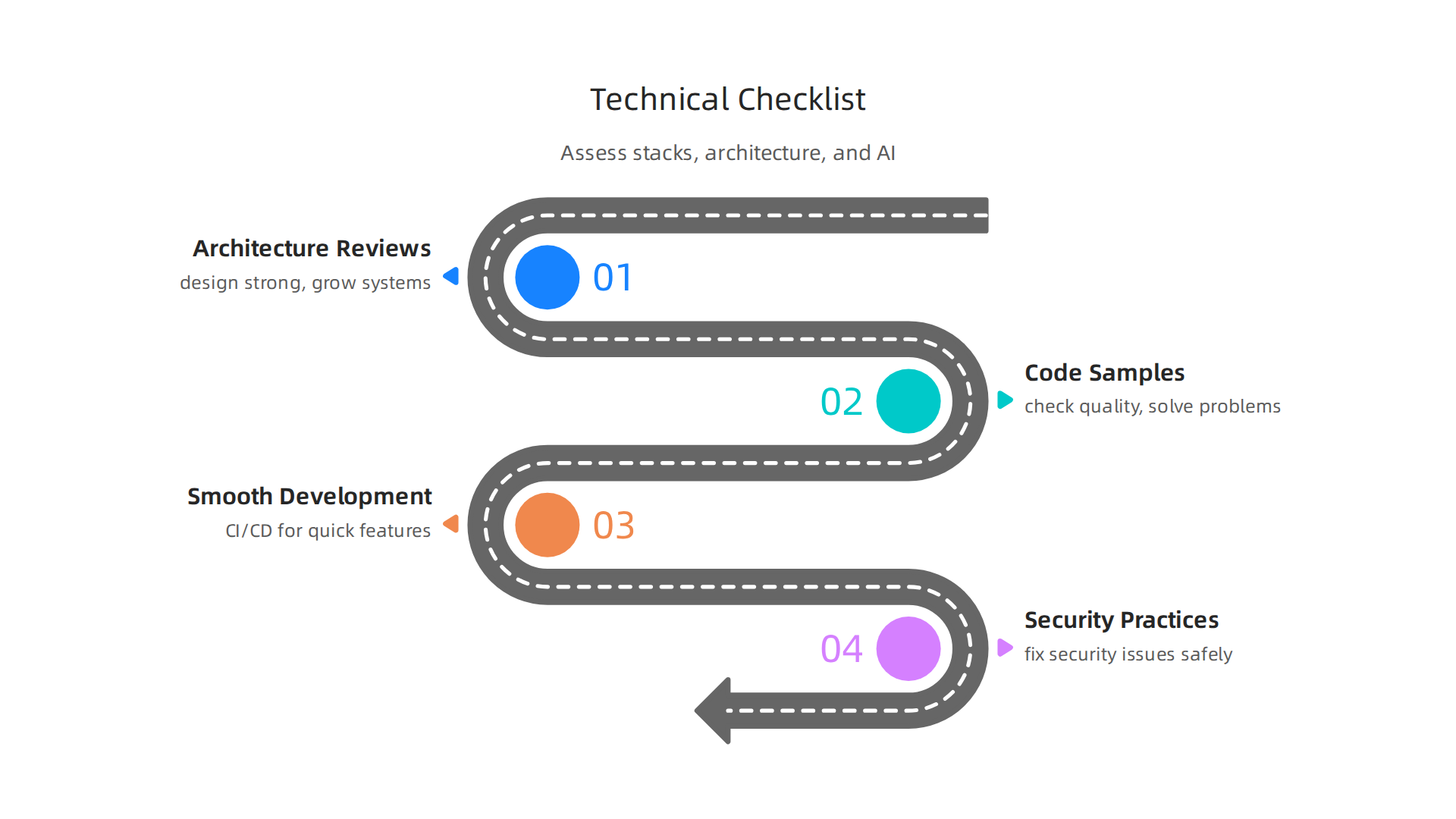
- Architecture Reviews: Ask them how they plan out their software. A good company will show you how they design systems that are strong and can grow. This helps make sure your software will work well for a long time.
- Code Samples: Don’t be afraid to ask to see examples of their past work. This lets you check the quality of their code and how they solve problems. Good code is easy to read and fix.
- Smooth Development and Delivery (CI/CD): Learn about how they build and update software. Companies that use Continuous Integration and Continuous Delivery (often called CI/CD) can get new features to you quickly and reliably. When talking about how well they deliver, good teams often set clear Service Level Agreements (SLAs) that cover things like code quality and testing rules Software Development SLA Guide: What to Include in 2026.
- Security Practices: Make sure they know how to keep your software and data safe. They should have clear plans for finding and fixing security issues. This is very important today, especially with New York’s strong data privacy laws.
How to Look at AI Readiness
AI is changing how we build software in 2026. So, it’s key to see how a software development company handles AI.
- AI-Assisted Development: Do they use AI tools to help their own developers write code faster and better? This can speed up your project. To learn more about how AI transforms development, consider reading about AI for software development.
- Integrating AI Responsibly: It’s not enough to just use AI. The company must also know how to put AI features into your software in a responsible way. This means making sure the AI is fair, clear, and safe to use. Many companies are now following a Responsible AI checklist (updated 2026) to make sure their AI tools are ethical. New York City itself is pushing for more AI talent and responsible use, showing how important this area is becoming.
When choosing a partner for custom software development new york city, looking at these technical details will help you find a team that can build high-quality, future-ready software.
After checking a company’s technical skills, it’s just as important to think about how they will work with you. This means looking at their work style, the papers you sign, and how they handle problems. For custom software development new york city projects, these things can make a big difference.
Delivery models, contracts, and risk management for regional projects
Choosing the right way for your software team to work together is very important. There are a few main ways a software development company can deliver your project, each with its own good and bad points for clients in New York City.
How Teams Work: On-Site, Hybrid, or Remote
- On-site teams work right in your office. This means you see them every day. It’s great for talking face-to-face and quickly sorting out small issues. But it might cost more and limit you to finding talent only in New York.
- Fully remote teams work from anywhere. This lets you pick the best
software development companyno matter where they are. It can save money and bring in many skilled people. But it needs good tools for talking and making sure everyone is on the same page, especially with different time zones. - Hybrid teams mix both. Some people work in your office, and others work from afar. This can give you the best of both worlds: some close contact and also access to a wider pool of talent. For
custom software development services, many businesses in 2026 like this flexible approach.
Contracts and Keeping Your Project Safe
Once you pick a delivery model, the next step is to make sure your project is safe with clear rules. This is where contracts and Service Level Agreements (SLAs) come in. These are like a promise on paper that protects both you and the software development company.
- Clear Contracts: Your contract should spell out everything. This includes who owns the ideas and code (called intellectual property), what will be delivered and when, and how you will solve problems if they come up. A good contract helps avoid surprises. It is a smart move to make sure that details like intellectual property and change control are clearly written in your agreements with any software outsourcing partner Scope, SLAs, IP, and Change Control (2026).
- Service Level Agreements (SLAs): SLAs are a special part of the contract that sets clear goals for how the software will perform and how fast the team will respond to issues. They list things like how quickly problems will be fixed and what counts as a successful delivery. It’s best to put these requirements in your request for proposal (RFP) early on, even before you start talking about the main contract SLA Management Guide for IT Leaders. This gives you more power to shape the agreement. For a full picture of what to include, many companies follow a Service Level Agreement SLA Guide 2026. These guidelines often detail service scope, performance metrics, and ways to fix things if goals are not met.
By focusing on these delivery models and solid contracts, you can lower risks and make sure your custom software project in New York City runs smoothly. To dive deeper into managing your software projects, read about Mastering the Software Development Lifecycle Models, AI, and Best Practices for 2026.
Staying up to date on how AI changes software work is also key for managing project risks today. Get clear daily AI updates from The AI Newsletter Worth Reading.
Making sure your project is safe with good contracts is a great start. But for any custom software development new york city project, you also need to think about the rules and laws. This is called compliance. It means making sure your software and how you handle data follow all the legal requirements.
Compliance, data residency, and legal considerations in NYC projects
New York City has its own set of rules, especially when it comes to keeping people’s information private and safe. If you’re building software or choosing a software development company, these rules are super important. Ignoring them can cause big problems.
Keeping Data Private in New York
Data privacy is about protecting personal information. New York has laws that tell businesses how they must handle this data.
- The SHIELD Act: One big rule is the Stop Hacks and Improve Electronic Data Security Act, known as the SHIELD Act. This law says that any business dealing with private information of New York residents must have "reasonable safeguards" in place to protect it, no matter where the company is located. These safeguards include making sure your systems are secure and being ready to stop any attacks or failures New York 2026 Data Destruction & E-Waste Compliance Guide and SHIELD Act | New York Attorney General.
- Child Data Protection: There’s also a specific law called the New York Child Data Protection Act, which has been in full effect since June 20, 2025. This act makes sure that children’s online data is handled with extra care and protection New York Child Data Protection Act Implementation Guidance.
- Other Privacy Rules: While New York doesn’t have one big, all-encompassing data protection law like some other states, it does have many specific rules that protect privacy through different laws New York: Privacy Overview | Insights | Holland & Knight. For example, there are rules about telling customers if their personal data was used to set a price for them.
- Reporting Data Breaches: If someone’s private information gets stolen or exposed, New York has a law that makes businesses report these events quickly. This is crucial for keeping trust with your customers Data Breach Reporting Form and Compliance Guidance for ….
Understanding these rules helps your custom software development services stay on the right side of the law. You might also want to look into how to create an AI policy for developers to ensure new AI tools follow all these privacy guidelines.
Data Residency and Where Data Lives
Data residency means where your project’s data is actually stored. For some companies in New York, especially those in finance or healthcare, there might be rules about keeping data within certain borders, like inside the United States or even New York State. This can affect how you design your software and where you host it. It also matters when picking a software development company because their data centers need to meet these strict requirements.
Intellectual Property Protection
Remember how important clear contracts are for intellectual property (IP)? In New York, protecting who owns the code and ideas created for your custom software development new york city project is just as vital. Make sure your contracts clearly state that you own the software once it’s built. This helps avoid problems down the road. It’s all about making sure your hard work is legally yours. For more on building privacy-focused applications, check out how user control and privacy drive mobile success in 2026.
When you choose a partner for your software project in New York City, always ask how they plan to meet these legal and data rules. This smart thinking will help your project be a success and avoid any legal headaches.
When you pick a software partner, it’s not just about the first handshake and the contracts. It’s about how you work together every day, week, and month. Good operational practices make sure your custom software development new york city project stays on track, delivers what you need, and grows with your business. This involves setting up clear ways to work, keeping an eye on progress, and building strong, lasting relationships.
Smooth Onboarding for Your Software Team
Onboarding is the first big step after signing the papers. It’s about bringing your chosen software development company into your team’s world. This isn’t just a quick hello. It’s a careful process to get everyone on the same page and ready to build great software.
A good onboarding plan for a software vendor usually includes:
- Checking Backgrounds: Making sure the vendor is reliable and follows the rules.
- Reviewing Contracts: Double-checking that all legal terms, like ownership of what they build, are clear. Some experts suggest having a signed Master Services Agreement or contract as a key step in onboarding to solidify these terms Vendor Onboarding Checklist: The 2026 Template Every ….
- Setting Expectations: Clearly stating what you need, how you’ll communicate, and what the goals are for the
custom software development services. You should define the problem, what data will be used, and how critical the project is Vendor Onboarding Checklist: Complete Guide for IT …. - Getting Ready: Making sure they have access to the right tools and information. This often involves a checklist to ensure all needed documents and access are provided The Complete Vendor Onboarding Checklist for 2026.
Having a detailed onboarding process helps avoid confusion later and starts the project on solid ground.
Keeping Things Running: Governance and Tracking
Once your software project is underway, you need a plan for how you and your software development company will work together regularly. This is called governance. It means having regular meetings, sharing updates, and making decisions together.
Good governance should include:
- Regular Check-ins: Short daily or weekly meetings to see progress and fix small problems fast.
- Clear Roles: Everyone knows who is in charge of what. You might want to look into how different roles work together in software development by understanding engineering abbreviations roles teams and AI integration for 2026.
- Deciding Together: A clear way to make bigger choices when needed.
- Measuring Success: Keeping track of how well the project is doing.
Watching Out for Technical Debt
One important thing to track is called "technical debt." This happens when teams take shortcuts in their code or design to finish something faster. It’s like building a house quickly but skipping some important parts. Later, those shortcuts make it harder and more expensive to add new features or fix problems.
For your custom software development new york city project, you should track technical debt to make sure it doesn’t get too big. Some common ways to measure this include:
- Technical Debt Ratio (TDR): This shows how much time it would take to fix code issues compared to how long it took to build the code. A low TDR (like under 5%) is often a good sign Measuring Technical Debt: KPIs, Tools & Dashboards.
- Code Quality: Tools can scan the code to find problems and suggest fixes.
- Time Spent on Fixes: How much time is spent fixing old problems versus building new features. It is wise to set a target for how much sprint capacity is spent on technical debt work, often aiming for 15-20% planned allocation Tech Debt Metrics Dashboard Guide for Engineering Leaders.
Tracking these things helps keep your software healthy in the long run.
Building Long-Term Partnerships
The best vendor relationships turn into true partnerships. This means both sides trust each other and work towards shared goals.

For custom software development new york city, a good partner doesn’t just build what you ask for, they also suggest better ways to do things and help you think about the future.
To build a long-term partnership:
- Communicate Openly: Be honest about what’s going well and what’s not.
- Share Your Vision: Let your partner know your big picture goals, not just the current project details.
- Value Their Expertise: Listen to their advice and experience.
- Celebrate Successes: Acknowledge when they do great work.
A strong partnership with your software development team can lead to better software, fewer problems, and a more successful business in 2026 and beyond.
To stay current on how AI is shaping software development and other tech topics, you might find our daily newsletter helpful. Get clear daily AI updates from The AI Newsletter Worth Reading.
Summary
This article explains why choosing a locally based custom software development partner in New York City matters right now, covering market forces, talent, costs, delivery models, contracts, and compliance. It shows how NYC’s high developer salaries and concentrated industry demand—especially in finance, adtech/media, and healthtech—drive higher local rates and specialized vendor offerings. You’ll learn the common pricing models (time & materials, fixed-fee, milestone), budgetary gotchas like compliance and local taxes, and how market factors affect vendor rates. The guide gives a practical checklist for vetting technical skills, AI readiness, architecture and CI/CD practices, plus the contract and SLA clauses that protect your IP and service expectations. It also outlines delivery options (on-site, remote, hybrid), onboarding and governance best practices, and how to monitor technical debt. After reading, you’ll be able to evaluate NYC vendors, set realistic budgets, include legal and data-residency requirements, and run safer, more effective custom software projects in 2026.