
Doctor AI in Practice: How to Build Trustworthy Systems for High Stakes Industries
· 19 min read

Artificial intelligence is no longer a futuristic concept — it is already reshaping how doctors diagnose diseases, how lawyers review contracts, and how financial analysts predict market moves. In healthcare, a doctor ai can analyze medical images faster than a human radiologist. In agriculture, agtech companies use AI to optimize crop yields. And for software teams, an ai assistant for developers helps write, test, and debug code in seconds.
But here is the challenge: these specialized fields demand ai without restrictions — meaning AI that is accurate, transparent, and trustworthy. Building such systems requires more than just coding skills. It requires strong ai literacy across every team member, from engineers to product managers.

This article gives you a data-driven roadmap for building and deploying AI that works in high-stakes environments. We will explore the opportunities, the ethical pitfalls, and the practical steps you can take today.
If you are new to this space, start by building your foundation with a guide on how to study AI for software development in 2026.
It will help you understand the core concepts before diving into specialized applications.
And to keep learning every day, subscribe to The AI Newsletter Worth Reading — a daily briefing on AI trends, tools, and breakthroughs that matter for developers and tech leaders.
The Rise of Doctor AI: AI in Healthcare Diagnostics and Beyond
You have probably heard the buzz about AI in healthcare. But the numbers might surprise you. In 2026, doctor ai systems are no longer just experimental tools. They are matching and sometimes exceeding human specialists in controlled studies. For example, a large UK study on breast cancer screening found that AI matched or outperformed radiologists in detecting cancers. The system detected 25% of cancers that would have been missed until the next screening round. That is a big deal for early diagnosis and patient outcomes. You can read more in this study on diagnostic accuracy of AI for breast cancer screening.
These gains are not limited to breast cancer. In lung nodule detection, AI models hit up to 94% accuracy, finding 8.4% more nodules than experienced radiologists. In dental radiography, large language models like MANUS and ChatGPT achieved accuracy near 95% when interpreting X-rays. A study on AI performance in dental radiographs showed no statistically significant difference between AI and board-certified radiologists. That is impressive.
But here is the thing. Taking a powerful AI model from a research paper into a real hospital is far from simple. Real-world data is messy. It comes from different machines, different patient populations, and different imaging protocols. A model trained on high-quality scans from one hospital may struggle with older equipment or diverse skin tones at another facility. Bias in training data is a real risk. And then you have regulatory approval. In 2026, the top patient safety concern in healthcare is what experts call the "AI diagnostic dilemma." A report from ECRI named navigating the AI diagnostic dilemma the number one threat to patient safety.
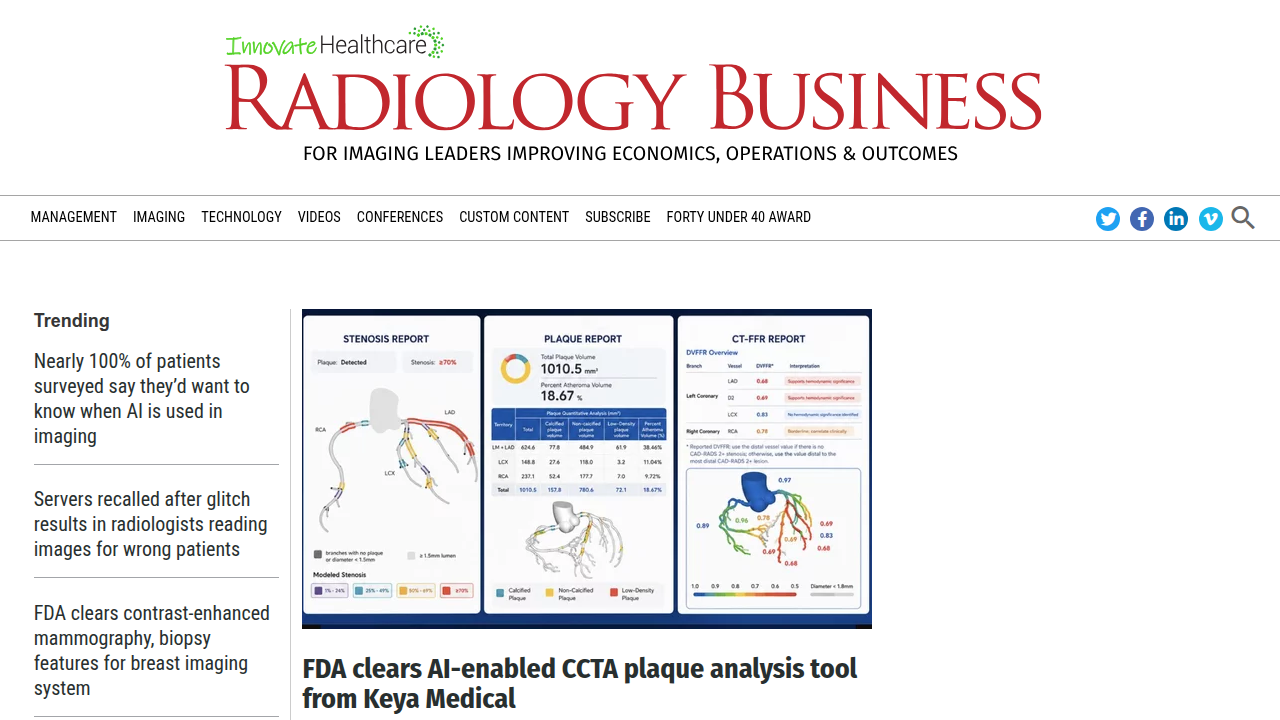
That is a wake-up call.
So how do we deploy doctor ai safely? The answer is human-in-the-loop design. AI should act as a smart assistant, not an autonomous decision-maker.

Even the best models make mistakes on complex or rare cases. For instance, current AI systems for generating radiology reports still have higher error rates than human experts. One review noted that AI radiology report generation still needs human oversight to ensure clinical reliability. The safest approach keeps a trained specialist in the final decision loop.
Building these trustworthy systems takes more than just good algorithms. It requires ai literacy across the whole team: data scientists, software engineers, product managers, and clinicians. If you are a developer looking to understand how to build reliable AI applications, learning the fundamentals is key. Check out this guide on AI as the new standard for developers to see how modern teams are approaching the challenge.
Doctor ai is here to stay. But making it work in the real world means balancing cutting-edge accuracy with careful validation, transparent reporting, and constant human collaboration.
AI Innovations in Legal, Finance, and Agriculture
While healthcare is one of the most visible areas for AI, other industries are seeing equally rapid change. In 2026, legal, finance, and agriculture are all being reshaped by artificial intelligence in powerful ways.
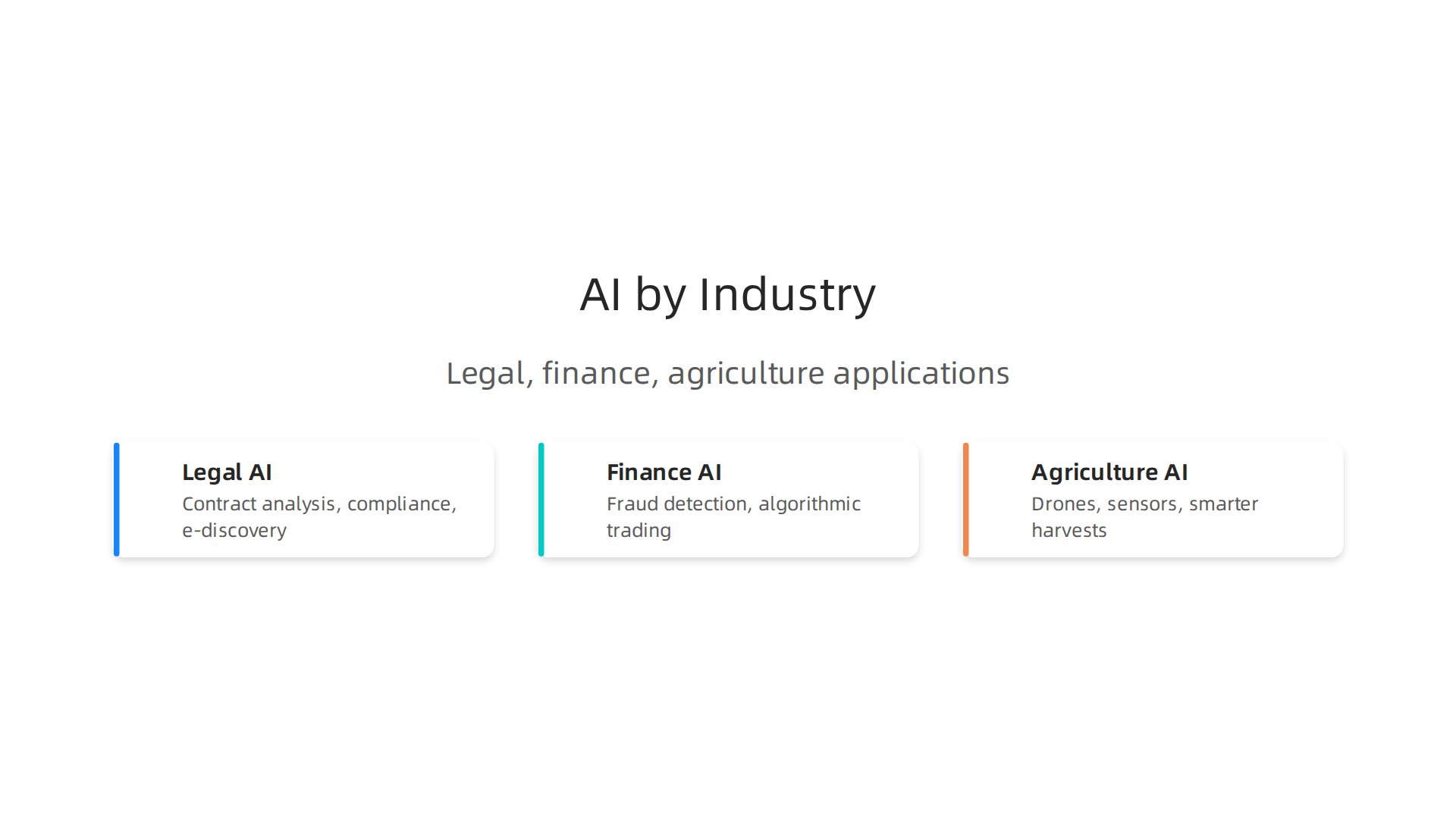
Legal AI: Contract Analysis and Compliance at Scale
The legal field has embraced AI faster than many expected. A recent survey found that 69% of legal professionals now use generative AI for work, up from 31% just one year earlier. This jump is mostly due to tools that handle repetitive tasks. Lawyers now use AI for legal research, document drafting, and contract analysis. The time savings are real: 38% of users save 1 to 5 hours per week, and 14% save 6 to 10 hours. Firms that adopt AI broadly are about three times more likely to report revenue growth than those that do not. You can read more in this legal AI adoption report for 2026.
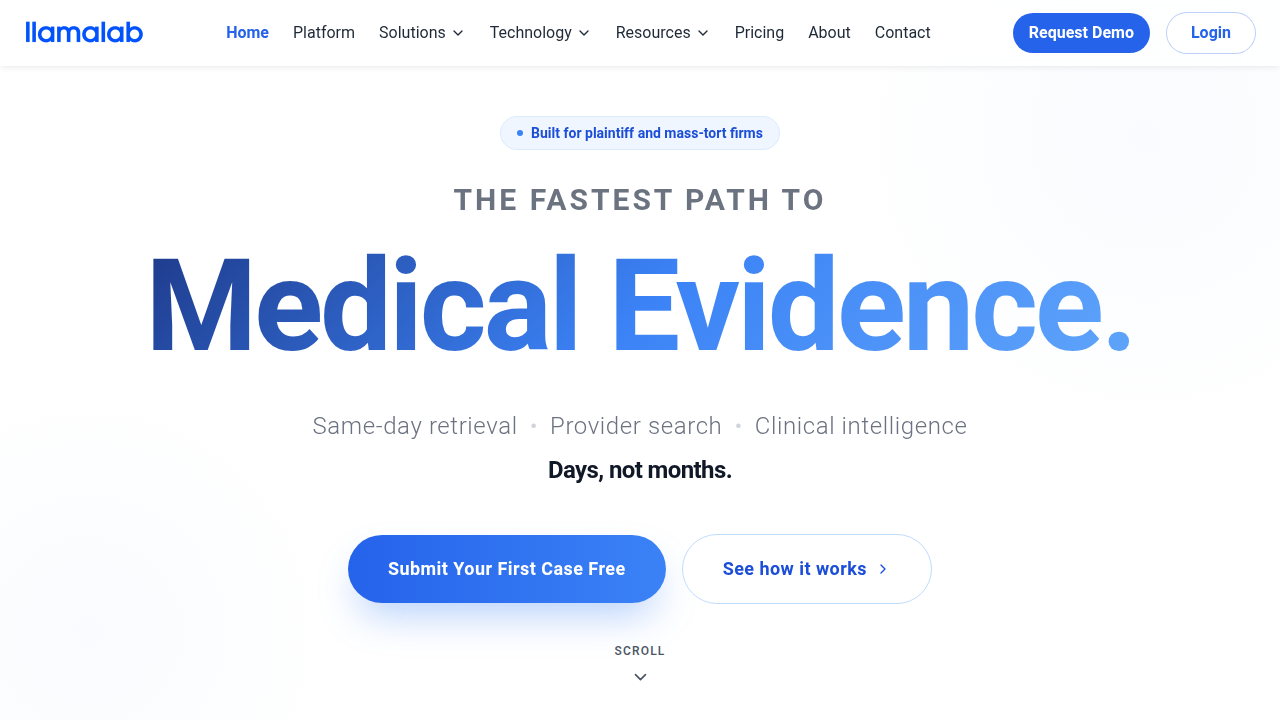
AI also helps with e-discovery, pulling relevant documents from massive datasets in minutes instead of weeks. Compliance checks that used to take a full day now take an hour.
Finance AI: Fraud Detection and Smarter Trading
In finance, AI is becoming a must-have tool. Banks and trading firms use machine learning models to spot fraud in real time. These systems flag unusual transactions faster than any human team could. Algorithmic trading, where AI makes buy and sell decisions based on market data, now handles more than half of all trades in some markets. Personalized banking is another big area. AI chatbots answer customer questions, suggest savings plans, and even analyze spending habits to offer tips. The adoption of ai assistant for developers in fintech companies is also growing, helping teams build and test these models more quickly.
Agriculture AI: Drones, Sensors, and Smarter Harvests
Farming might seem low-tech, but agtech companies are changing that fast. AI-powered drones fly over fields and take detailed images. Computer vision models analyze those images to spot early signs of disease, pests, or nutrient problems. Farmers can then treat only the affected areas, saving money and reducing chemical use. AI also predicts crop yields by combining weather data, soil sensors, and satellite images. This helps farmers plan harvesting and set prices. Some systems even guide autonomous tractors that plant seeds with precision. The result is higher yields, lower costs, and less waste.
Staying up to date with these trends is important, especially if you build software for these industries. Improving your ai literacy will help you design better tools. For developers, a great place to start is this guide on how to study AI for software development in 2026.
And if you want to keep learning without getting overwhelmed, a daily newsletter that delivers clear AI updates can make all the difference. Consider subscribing to The AI Newsletter Worth Reading to get fresh insights delivered to your inbox every day.
Ethical Frameworks for AI in High-Stakes Domains
But as AI becomes more powerful in fields like law, finance, and healthcare, one question grows urgent: How do we make sure it is used responsibly? Without strong guardrails, even the most useful AI can cause real harm. That is why ethical frameworks are no longer optional. They are essential.
Several major frameworks already provide baseline guidance. The EU AI Act, which took full effect in 2026, sorts AI systems into risk tiers. High-risk applications, like those used in medical diagnosis or credit decisions, require strict testing, documentation, and human oversight. The NIST AI Risk Management Framework gives organizations a repeatable process to identify and reduce risks. ISO 42001 sets management system standards with certification paths. These three frameworks together create a foundation for building safe AI, especially for industries with high stakes. You can read more about the specific requirements in this overview of AI compliance needs for high-risk industries in 2026.
But general frameworks only go so far. Each domain has its own unique challenges that demand tailored governance.
Healthcare: Medical Liability and Patient Privacy
When a doctor uses AI to help diagnose a disease or recommend a treatment, the stakes are life and death. That is where the concept of "doctor AI" becomes both promising and risky. If the AI makes a mistake, who is responsible? The doctor? The hospital? The developer? Medical liability is a tangled area. On top of that, patient data must stay private. In the US, HIPAA sets strict rules for how protected health information can be used in AI models. Any tool that processes patient data must meet these standards. Developers and providers must ensure that data is encrypted, de-identified, and used only for its intended purpose. This article about when AI technology and HIPAA intersect explains the legal obligations clearly.
Legal and Finance: Fairness and Inclusion
In the legal world, AI tools that analyze contracts or predict case outcomes can speed up work. But they can also hide bias if trained on skewed data. If an AI recommends a harsher sentence for one group over another, that is a fairness failure. Transparency about how the model works is critical. In finance, AI is used to approve loans, set insurance rates, and flag fraud. If the model accidentally excludes low-income applicants, it creates inclusion problems. Financial regulators are starting to require bias audits and explainability reports.
What Developers Must Know
No matter the field, three principles are non-negotiable: transparency, accountability, and bias mitigation.
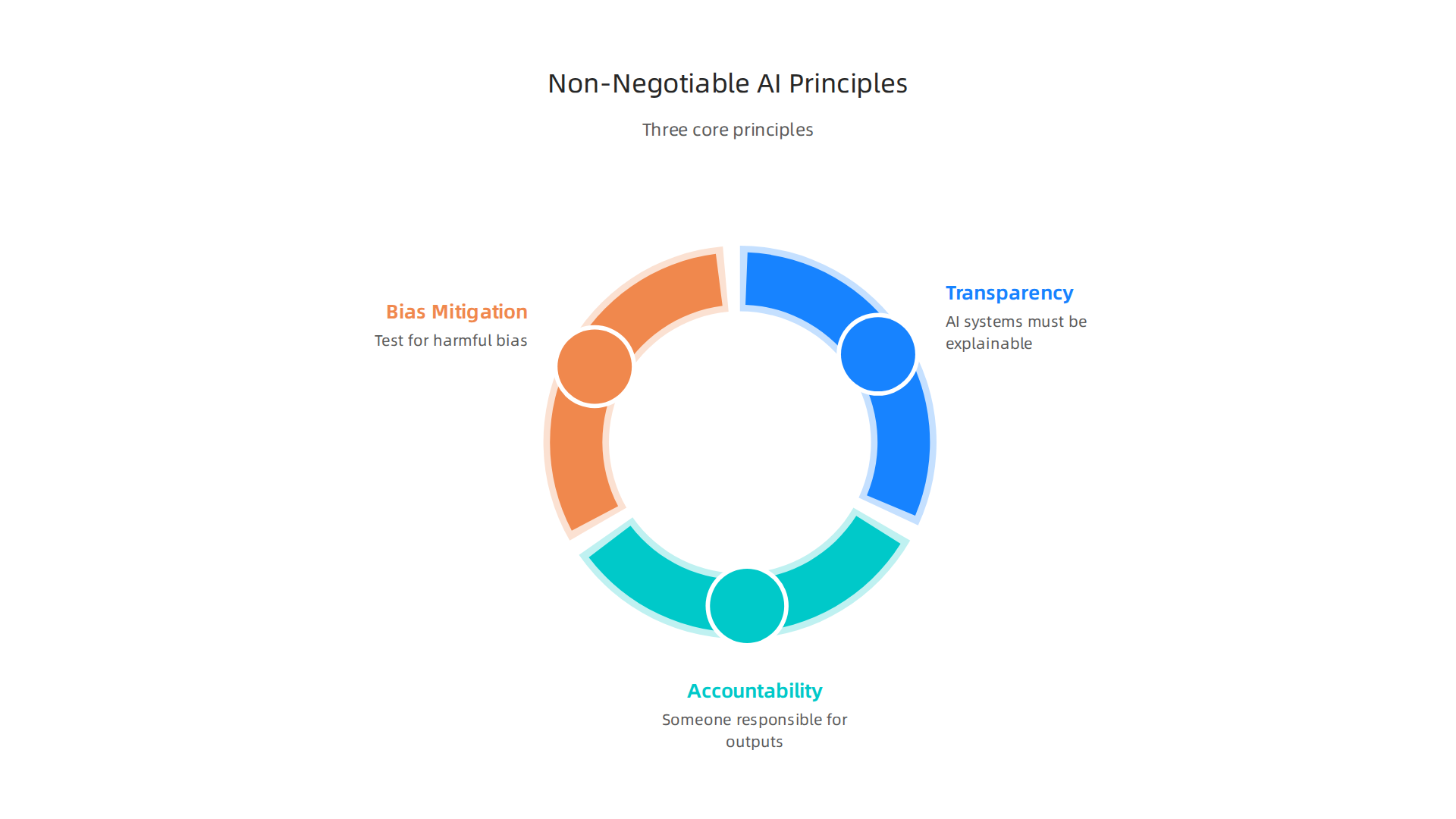
AI systems must be explainable. Someone must be responsible for their outputs. And teams must test for harmful bias at every stage of development. These are not nice-to-haves. They are the price of trust.
If you build software for high-stakes domains, understanding these frameworks is part of your job. A great next step is learning how other developers are building trust into their tools. Check out this guide on how AI coding assistants are solving the trust problem to see real examples of responsible design.
Navigating the Regulatory Maze: AI Compliance in 2026
So you have your ethical frameworks in place. Now comes the hard part. The legal rules. In 2026, the regulatory landscape for AI is no longer theoretical. It is real, and it comes with big fines.
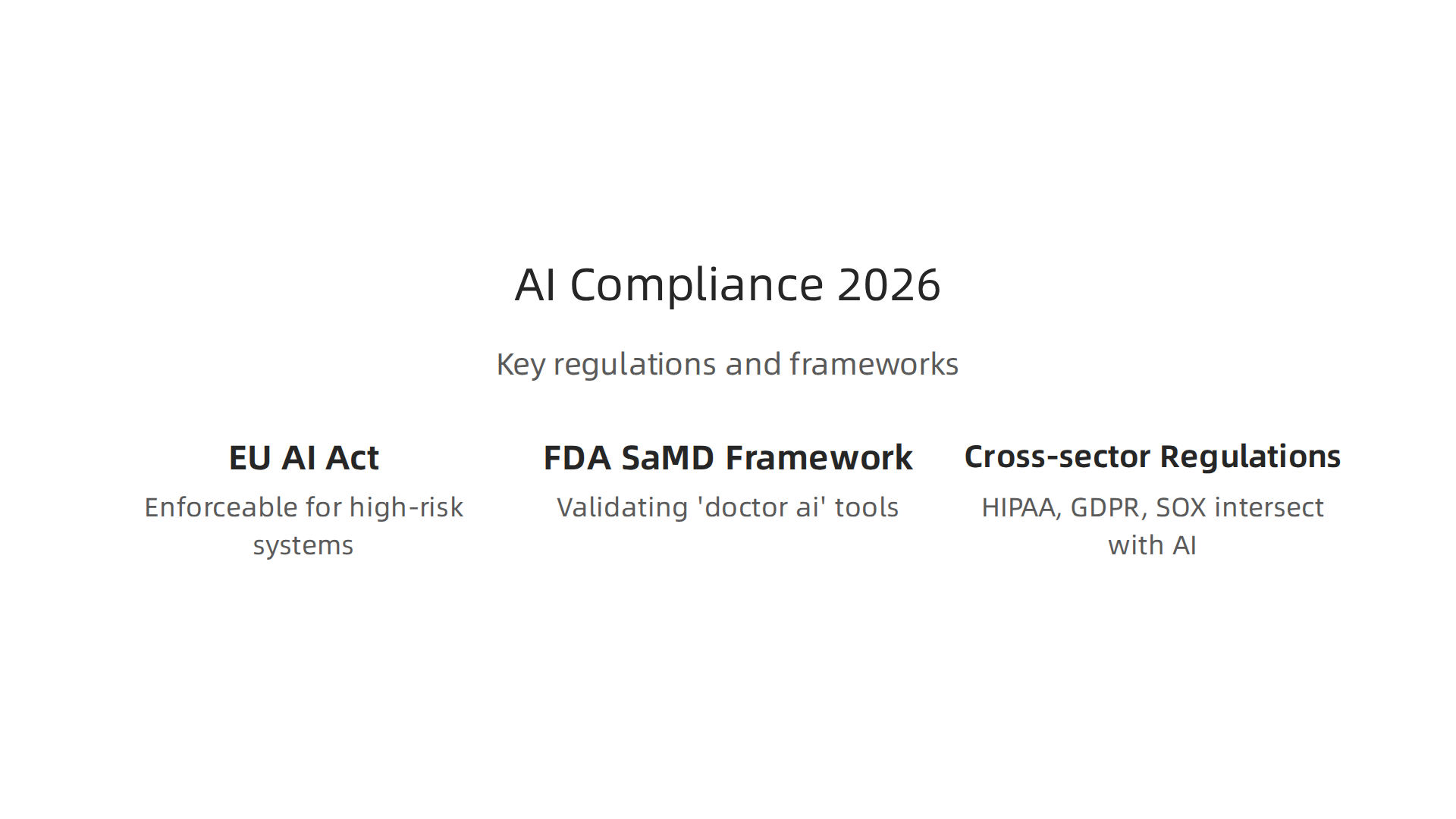
The biggest change this year is the EU AI Act. Starting August 2, 2026, most of its requirements become fully enforceable for high-risk AI systems. This includes tools used in healthcare, finance, and law. If your AI system affects people’s lives in a big way, you need to comply. Fines can go up to 35 million euros or 7% of global annual turnover. Check the official EU AI Act compliance timeline for high-risk systems to see exactly when you need to act.
But the EU is not the only one watching. The FDA in the United States continues to refine its AI/ML-based Software as a Medical Device (SaMD) framework. In 2026, new guidance is expected to clarify how "doctor ai" tools must be validated before reaching patients. This matters for any developer building medical AI. If your tool makes a diagnosis or recommends treatment, the FDA wants proof it is safe.
Cross-sector regulations make things even more complex. HIPAA, GDPR, and even SOX in finance now intersect with AI. For example, the HIPAA Security Rule updates expected later in 2026 will make multi-factor authentication and encryption mandatory for any organization handling electronic protected health information. And the EU AI Act requires companies to promote AI literacy among their staff. That means your team cannot build AI without restrictions. Everyone needs to understand the basics of responsible AI use. You can read more details in this guide on healthcare AI and data privacy under HIPAA and GDPR.
These rules apply to more than just healthcare. Even agtech companies using AI to monitor crops or predict yields need to watch out. If their tools impact food safety or environmental data, regulators may step in.
Developers who want to stay ahead should build compliance into their workflows early. That means knowing where your data comes from, how your model makes decisions, and who is responsible if something goes wrong. This full guide on how to study AI for software development in 2026 covers the skills you need to handle these challenges.
Keeping up with all these changes is tough. That is why staying informed matters so much. Sign up for the AI Newsletter Worth Reading to get clear daily updates on AI regulations, tools, and trends.
Building Trustworthy AI Systems for Specialized Applications
Complying with regulations is one thing. But building systems that people actually trust is another challenge entirely. In 2026, trustworthiness in AI goes far beyond checking legal boxes. It requires real technical and organizational work, especially for specialized tools like "doctor ai" systems that make medical recommendations.
Think about it this way. Would you trust an AI assistant for developers to recommend a critical code change without explaining why? Probably not. The same logic applies to every specialized application. Users need to understand what the system is doing and why.
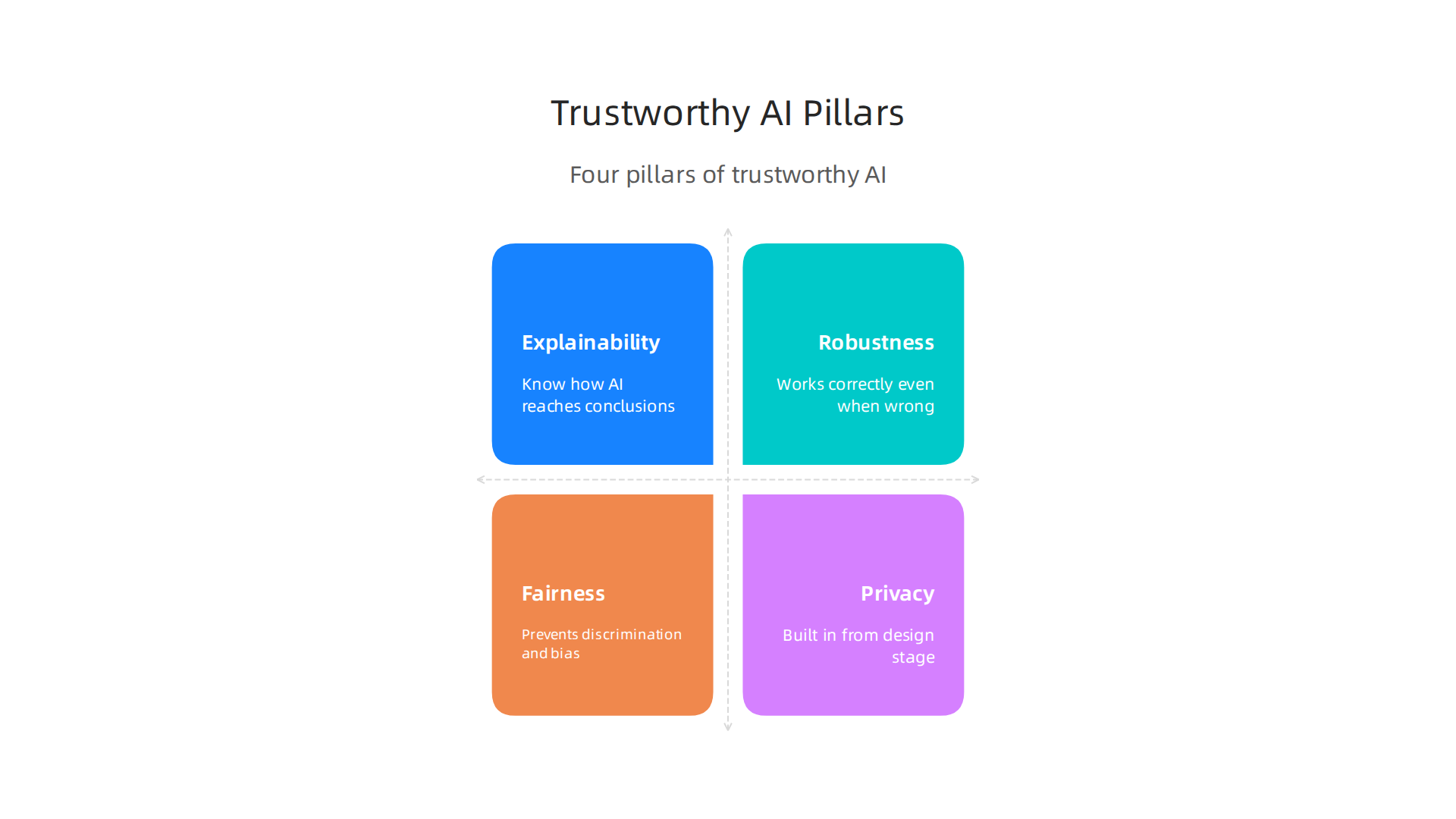
Trustworthy AI rests on four main pillars. Each one requires constant attention.
Explainability Matters Most
People need to know how your AI reaches its conclusions. This is especially true in high-risk settings like healthcare or finance. Users need to see the reasoning behind an output. They need to feel confident the system is not making wild guesses.
Explainable AI is not just a nice feature anymore. In 2026, it is a compliance requirement for many systems. This deep guide on explainable AI practices for regulated enterprises covers how to build transparency into your workflow from day one.
Robustness Keeps Systems Safe
A trustworthy system must work correctly even when things go wrong. It needs to handle unexpected inputs without breaking. It needs to resist attacks and data poisoning attempts.
This means testing your model constantly. Look for weak spots before someone else does. A good rule is to run adversarial tests on every update. If your "doctor ai" tool misdiagnoses a patient because of a small data glitch, the cost is huge.
Fairness Prevents Harm
Bias in AI is not just an ethical problem. It is a legal landmine. In 2026, regulators expect companies to prove their systems do not discriminate. This means running regular fairness checks on your data and your model outputs.
AI literacy training for your whole team helps here. When everyone understands bias, they catch it earlier. A developer who spots a fairness issue during testing is worth more than a compliance audit after the fact.
Privacy Must Be Built In
You cannot just add privacy at the end. It has to be part of your system from the very first design meeting. For specialized tools like "doctor ai," this means using techniques like differential privacy. It means limiting what data your model collects. It means being clear with users about how their information is used.
Even agtech companies using AI to track crop health need to think about this. If their data reveals patterns about farming practices, that information needs protection too.
Continuous Monitoring Is Required
A model that works perfectly today might fail tomorrow. Data changes. User behavior shifts. New threats appear. That is why monitoring is not optional in 2026.
You need automated alerts that flag unusual behavior. You need regular review cycles where humans check the model’s performance. You need dashboards that show fairness metrics and accuracy trends over time.
Trust is not something you earn once and keep forever. It requires daily attention. The best teams treat trustworthiness as a continuous practice, not a one-time certification.
This complete overview on how AI coding assistants solve the trust problem shows how leading developers approach this challenge in their daily work.
The Human-AI Partnership: Human-in-the-Loop Design
Building trustworthy AI is not about replacing human judgment. It is about creating a partnership where humans and machines complement each other. This is where human-in-the-loop (HITL) design comes in. In 2026, HITL is the standard for high-stakes applications like doctor ai systems.
Here is the core idea. The AI handles the heavy lifting. It scans data, finds patterns, and flags what matters. Then a human expert reviews the output, makes the final call, and catches mistakes the model might miss. This handoff improves accuracy and builds confidence.
Why HITL Works So Well
AI models are incredible at speed and scale. But they still struggle with edge cases. They can be fooled by unusual inputs. They may misinterpret context that a human would catch instantly. HITL design solves this by keeping a human in the loop for decisions that matter.
Think about radiology. An AI system can analyze hundreds of scans quickly. But when it flags a potential tumor, a radiologist needs to review that finding. Studies show this combination works better than either alone. For instance, a recent study on pulmonary embolism detection found that when AI flagged a positive case, radiologists agreed 84% of the time. And when the AI said no PE, agreement hit 97%. Over two years, radiologist disagreement with AI positive calls dropped from 30% to just 12%. That is real improvement through collaboration.
As this review of recent advances in AI for radiology report generation highlights, even the best AI models today still require human oversight for complex cases. The researchers concluded that safe adoption demands human-in-the-loop oversight, especially for uncommon findings.
Balancing Automation and Oversight
Here is the tricky part. You need enough automation to save time, but not so much that humans get overwhelmed with false alarms. Too many alerts cause alert fatigue. Too few reviews mean you miss critical mistakes.
The sweet spot is simple. Use AI for triage and suggestion. Then reserve human review for the highest risk decisions. In legal document review, for example, AI can flag clauses that need attention. Lawyers then review only those flagged sections. This cuts hours of work while keeping quality high.
Practical Tips for Building HITL Systems
Start with clear rules about when a human must be involved. Define who is accountable for each decision. Build dashboards that show when the AI is uncertain. And always give reviewers the tools to challenge the AI’s output.
A good HITL system also learns over time. Every time a human corrects the model, that feedback should improve future performance. This creates a virtuous cycle of better accuracy and stronger trust.
If you are new to building AI systems that partner with people, you might find this guide on how to study AI for software development useful. It covers the foundational skills developers need in 2026.
The Bottom Line
Human-in-the-loop design is not a safety net. It is the engine of trust. When users know a real person verified the AI’s work, they feel more confident. And when the system gets better from human feedback, everyone wins.
For daily insights on AI trends and best practices, check out The AI Newsletter Worth Reading. It keeps you informed so you can build better human-AI partnerships.
Future Trends and Challenges for Specialized AI
Looking ahead, specialized AI is moving into more complex domains. The shift is already happening. In legal work, generative AI now helps with document drafting, contract analysis, and legal research. According to the 8am 2026 Legal Industry Report, 69% of legal professionals use AI for work, and legal-specific AI tool usage has doubled to 42%. That is a huge jump in just one year.
The same trend is happening in finance. AI models can generate financial summaries, detect fraud patterns, and even draft regulatory filings. In healthcare, doctor ai systems are generating medical notes and assisting with diagnosis. But here is the catch. Each of these fields has its own rules, jargon, and risk levels. A model trained on general data will not cut it. Developers must build specialized models that understand the unique language of law, medicine, or finance.
Another big trend is edge AI and federated learning. These techniques let AI run directly on devices instead of sending data to the cloud. That is a game changer for privacy. Hospitals can train a doctor ai model using patient data without ever moving that data off the local server. Banks can analyze transaction patterns without exposing customer records. This keeps sensitive information safe while still getting the benefits of machine learning.
The Workforce Challenge
Here is the hard truth. As AI gets better at expert tasks, some jobs will change or go away. Legal research assistants, medical scribes, and junior analysts are already feeling the pressure. But this is not just a story of lost jobs. It is a story of reskilling.
The organizations that win in 2026 are the ones that invest in ai literacy for their teams.

They train people to work alongside AI, not against it. Lawyers who learn to use AI tools are 3 times more likely to report revenue growth than those who do not. The same applies in healthcare, finance, and even agtech companies.
If you are a developer or a professional in a specialized field, now is the time to build your skills. A practical roadmap for learning to code in 2026 can show you how to start or level up. The demand for people who understand both the domain and the AI tools is only going up.
The future is not about AI replacing experts. It is about experts who use AI becoming even more valuable. The challenge is to keep learning, stay flexible, and focus on the human judgment that machines still cannot replicate.
Summary
This article explains how specialized AI—like "doctor AI" in healthcare, contract-review tools in law, and crop-prediction systems in agriculture—is moving from research into high-stakes practice, and why that shift demands accuracy, transparency, and strong AI literacy across teams. It covers real-world performance gains, the limits of lab results, and the ethical and regulatory hurdles (HIPAA, EU AI Act, FDA) that developers must navigate. You will learn practical design principles—human-in-the-loop workflows, explainability, robustness, fairness, and privacy-by-design—as well as testing and continuous monitoring strategies to keep models safe after deployment. The piece also outlines compliance actions for 2026, how to balance automation with human oversight, and which developer tools and learning paths accelerate safe adoption. By reading it, you’ll get a roadmap for building, validating, and governing specialized AI systems that stakeholders can trust.