
AI Software Development in 2026 Transforms How You Build and Ship Code
· 15 min read

Introduction
Software development in 2026 moves fast. Faster than ever. Every week brings a new AI tool, a better workflow, or a smarter way to ship code. If you are a developer, a team lead, or a founder building software, you feel this pressure every single day.

The numbers back it up. The latest 2026 software development statistics show that 84% of developers now use or plan to use AI tools in their workflow. That is up from 76% just a year ago. Tools like Genie AI and Vast AI are no longer experimental. They have become standard infrastructure for teams around the world.
But here is the real challenge. Staying current is hard. Really hard. The landscape shifts so quickly that by the time you master one AI platform, two more have already appeared. Claude Code commands, prompt engineering tricks, and best code continuous innovations pile up faster than anyone can track.
That is why this article exists. We put together a structured overview of the key AI applications reshaping software development in 2026. You will learn how to integrate AI into every phase of your work from planning to deployment. You will also get a clear picture of what actually works.
If you want to go deeper into practical workflows, check out this guide on how to use AI for software development in 2026. And for daily insights that keep you ahead of every change, The AI Newsletter Worth Reading delivers clear daily updates straight to your inbox.
The Rise of AI-Assisted Coding Tools
If you haven’t tried an AI coding assistant yet, you are in the minority now. In 2026, using AI to write and improve code has gone from a cool experiment to a standard part of the job. According to the latest AI Coding Assistant Adoption Rates 2026: Complete Stats, 90% of developers regularly use at least one AI tool at work. More than half use one every single day.
So what changed? Tools like Genie AI and Vast AI now sit right inside your editor. They do not just autocomplete a line. They suggest entire functions, refactor messy code, and even write tests for you.
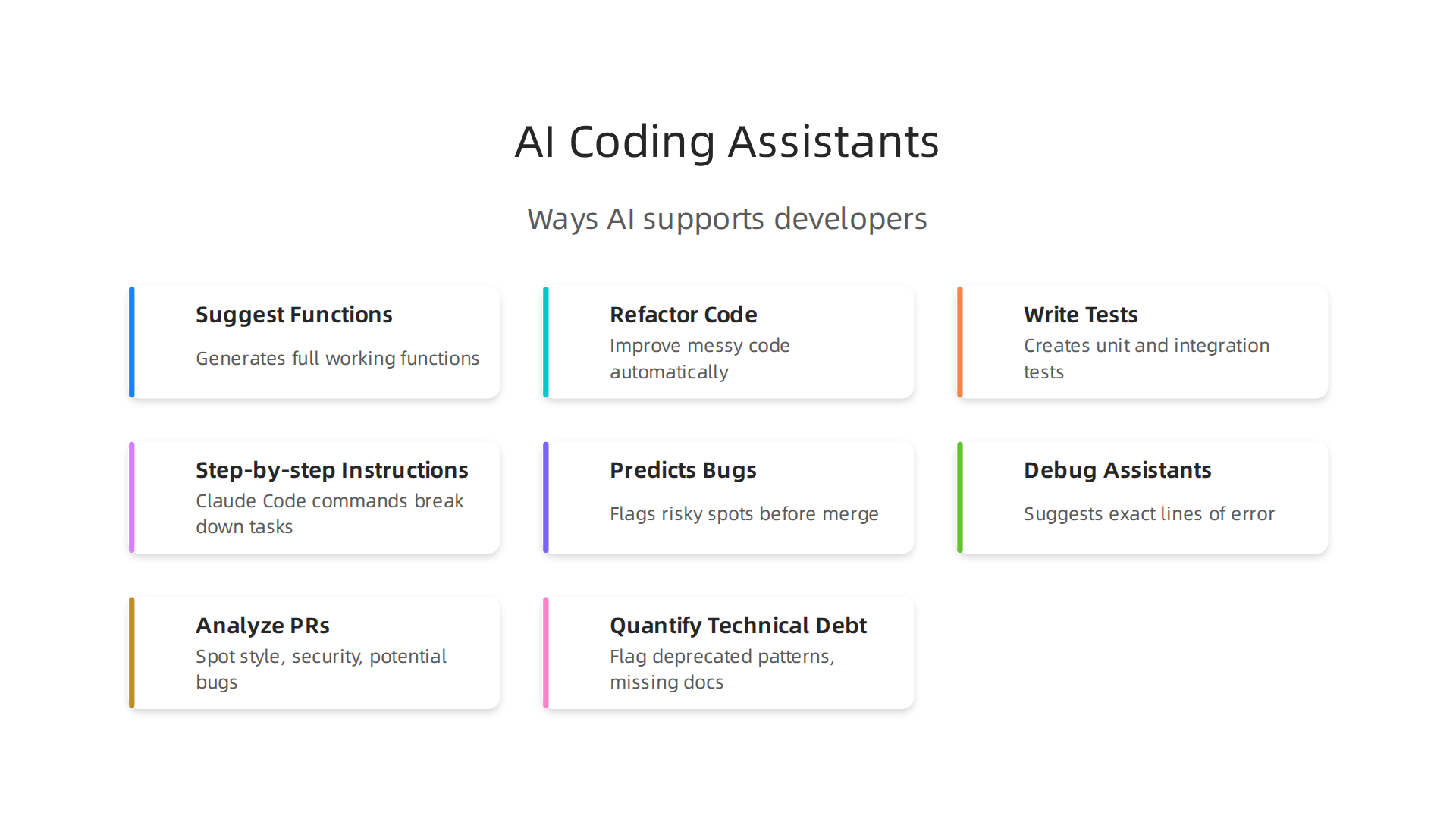
Genie AI, for example, uses large language models to understand your project context. You write a comment describing what you need, and it generates a full working function. That kind of speed changes how teams build software.
But not every tool delivers the same results. Claude Code commands, for instance, let you give step-by-step instructions in natural language. That approach works great for breaking down complex tasks. And for continuous integration work, the best code continuous innovations combine AI suggestions with human review.
Adoption is not the same everywhere. Small teams jump in fast. Bigger companies move slower because they worry about security and code quality. And with so many AI platforms available, developers often juggle three or more tools at once. That creates a new problem: tool overload.
The real skill today is not just using AI. It is knowing when to trust the output and when to step in. If you want to understand how different AI tools compare for everyday work, this guide on AI coding assistants and the trust problem explains what actually works.
AI-Powered CI/CD Pipelines
Writing code with AI tools feels fast. But getting that code from your laptop into production without breaking things is a whole different challenge. That is where AI-powered CI/CD pipelines come in. In 2026, these pipelines do not just run tests and deploy code. They learn from every build to get smarter over time.
One of the biggest headaches in continuous integration is the build that fails for no clear reason. AI models now scan your build logs in real time to spot failures before they slow down your team. According to the AI-augmented reliability in CI/CD framework, intelligent retry strategies can resolve 70 to 90 percent of flaky test failures automatically. Instead of wasting hours debugging a flaky test, the pipeline retries it once and moves on.
On the deployment side, AI does more than just push code live. It watches production metrics and decides whether a new release is safe to roll out. If something looks off, it can roll back instantly without human help. Companies using these systems see fewer outages and faster recovery times.
Tools like Genie AI and Vast AI help teams write pipeline configuration files and deployment scripts directly inside their editors. That means less time wrestling with YAML and more time shipping features. If you want to see how modern teams combine AI with smart workflows, check out this AI for software development workflow guide.
The best part? These systems keep learning from your team’s patterns. Every successful build and every rollback teaches the pipeline what to do next time. The result is a release process that gets faster and safer without extra work from you.

Want to stay ahead of trends like AI-powered CI/CD? Get clear daily AI updates straight to your inbox with The AI Newsletter Worth Reading.
Intelligent Testing and Debugging with AI
Building a fast pipeline is only half the battle. The real time sink is writing tests and chasing down bugs. In 2026, AI platforms take over both jobs so you can focus on building features.
First, AI generates tests for you automatically. Instead of staring at a blank file wondering what edge cases to cover, you tell the AI what the function does, and it writes unit tests, integration tests, and even tricky boundary cases. According to one AI-powered testing guide from MetaPhase, modern tools can analyze your code, generate test scripts on the fly, and reduce the burden on QA teams. That means better coverage with less manual work.
Second, machine learning models predict where bugs are most likely to hide. The system looks at your commit history, past bug reports, and code complexity to flag risky spots before you merge. This approach, called risk-based test selection, can cut feedback time by 50 to 80 percent while still catching real failures. A 2026 study on AI-augmented CI/CD reliability confirms that selective test execution keeps your coverage strong and your builds fast.
Third, AI debug assistants make finding root causes much faster. When a test fails or a crash happens, you no longer have to dig through logs manually. Tools like Genie AI and Vast AI can analyze stack traces, correlate runtime logs, and suggest exact lines where things went wrong. You can even use something like Claude code commands to ask a chat assistant "Why did this method throw a null reference?" and get a clear answer in seconds.
These three capabilities work together. AI writes the tests, predicts where problems will come from, and helps you fix them quickly.
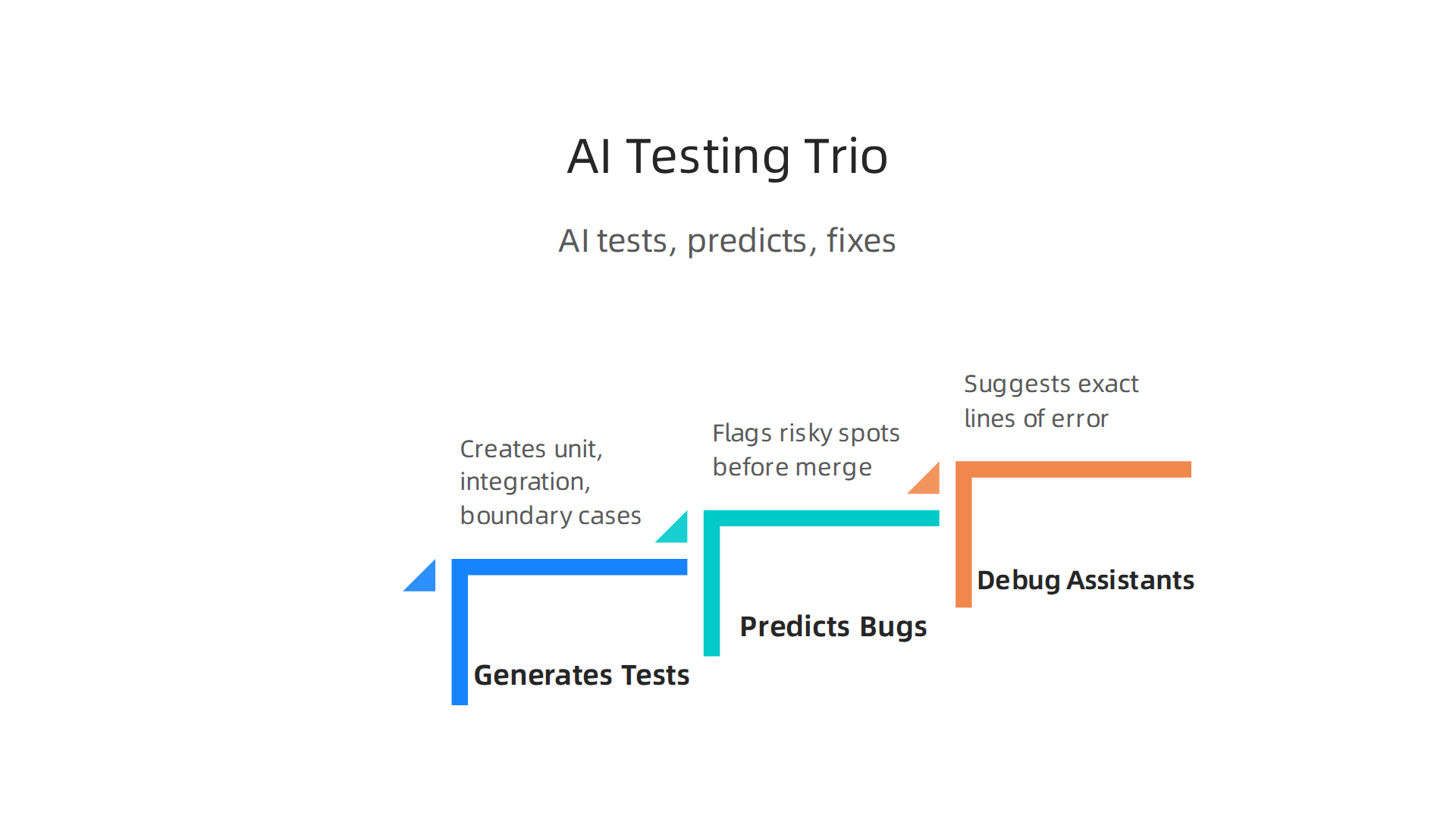
The result is less time debugging and more time shipping.
If you want to go deeper on how AI tools fit into your daily coding workflow, check out this 2026 guide to AI coding assistants.
AI Agents for Developer Productivity
Testing and debugging got faster with AI. Now imagine AI agents that handle the boring stuff before you even start coding. That is exactly what is happening in 2026.
AI agents are like digital coworkers that take over repetitive tasks. Think environment setup, dependency management, and code formatting. Instead of spending 15 minutes configuring a new project, you tell the agent what you need and it does the rest. According to a breakdown of how AI agents eliminate toil, these tools remove what teams call "undifferentiated toil" the manual work that slows everyone down. That frees you to focus on actual problem solving.
The really cool part is how these agents learn from you. They watch your habits, notice which commands you run most often, and suggest context-aware actions. For example, if you always reformat your code before a pull request, the agent can do it automatically. This cuts down context switching, meaning you stay in the zone longer. Tools like Genie AI and Vast AI are leading the way here, and using something like Claude code commands can also help you hand over routine jobs without breaking your flow.
Teams that adopt these agents report higher job satisfaction. Fewer interruptions and less grunt work means developers can pour their energy into creative, high value tasks.

That is a win for everyone.
If you want to stay on top of how AI is reshaping development, here is a resource worth knowing about. The Deep View Newsletter delivers daily AI updates straight to your inbox. The AI Newsletter Worth Reading cuts through the noise so you always know what matters.
AI-Driven Code Review and Technical Debt Management
By now you know that AI agents can handle setup and routine tasks. But what about the code quality once it is written? That is where AI-driven code review changes the game in 2026.
Instead of waiting hours for a human reviewer to spot style issues or security flaws, AI code reviewers analyze pull requests in minutes. They check for style consistency, security vulnerabilities, and potential bugs all at once.
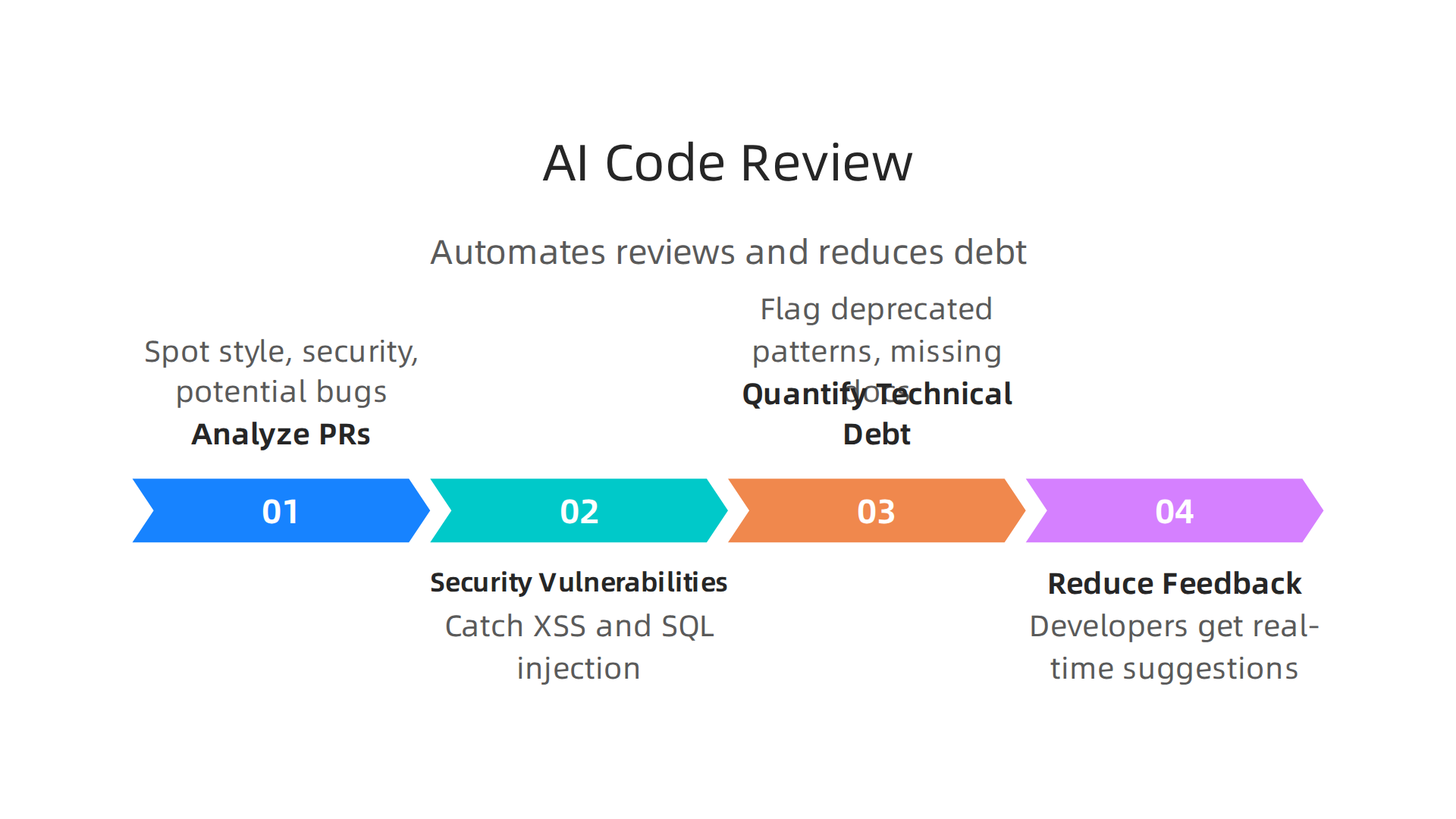
Some tools even run static analysis alongside AI models to catch problems before they reach production. The result is faster feedback and fewer late-stage surprises.
The security angle is especially important right now. According to a 2026 report on AI coding assistants and security risks, AI-generated code can introduce higher rates of common vulnerabilities like XSS and SQL injection. An AI review layer helps catch those before they ship.
Another big win is technical debt management. Machine learning models can scan your entire codebase and flag deprecated patterns, missing documentation, and repeated anti-patterns. They quantify the debt so your team knows exactly where to invest cleanup time. Instead of guessing which module needs refactoring, you get clear data.
Integrating AI into review cycles also reduces feedback loops. Developers get suggestions in real time rather than waiting for a full review pass. That keeps momentum high and context switching low.
If you want to go deeper on how AI tools are solving trust issues in generated code, check out this breakdown of AI coding assistants and prompt engineering. It covers the tools that help teams ship with confidence.
AI for Personalized Development Environments
That focus on faster feedback and better code quality is powerful, but AI does not stop at reviews. In 2026, your development environment itself can learn from you. Imagine opening your editor and finding the keyboard shortcuts you actually use, the snippet library you have been building, and the color theme that keeps you in flow. AI makes that possible.
Modern AI platforms analyze how you write code. They notice which languages you reach for most, what refactoring patterns you favor, and even the times of day you produce your best work. Over time, the environment adapts automatically. Your IDE starts suggesting the right autocomplete options first. It surfaces documentation for libraries you use often. It even reorders your file tree based on recent activity.
One tool leading this shift is Genie AI. It studies your coding habits and adjusts settings like tab width, bracket placement, and comment style to match your natural way of working. Instead of hunting through settings menus, you let the AI handle customization. The same approach applies to learning. When you start a new framework, the environment recommends tutorials and example code tailored to your experience level. That means less time searching and more time building.
This kind of personalization goes deeper than preferences. AI agents with memory can remember past decisions you made on similar tasks. According to a 2026 overview of AI agent development trends, agents that store contextual learning deliver more personalized interactions over time. Your editor does not treat you like a stranger. It builds a working relationship with you.
You can also use voice commands or quick text prompts like Claude code commands to tweak the environment on the fly. Say "switch to dark mode" or "show me my open pull requests" and the AI responds. No menu diving.
If you want to explore the newest AI features inside your editor, check out this guide on VSCode Insiders. It walks you through the experimental tools that let you shape your environment before they hit stable releases.
The result is a development space that feels like it was built just for you. You stay in the zone longer because the friction of manual configuration disappears. And as AI continues learning from your habits, the experience only gets smoother.
To stay current with the latest breakthroughs in AI tools and workflows that personalize your development environment, subscribe to The AI Newsletter Worth Reading. It delivers clear daily updates so you never miss a tool that could improve your flow state.
The Role of AI in Continuous Innovation
Personalized development environments save you time every day. But the bigger story in 2026 is how AI drives continuous innovation across the whole software lifecycle. It is not just about typing faster. It is about building smarter and adapting quicker.
One of the biggest changes is rapid prototyping. Instead of writing every line of code by hand, you describe what you want at a high level. The AI generates the scaffolding, the APIs, and even the business logic. That means you can test an idea in hours instead of weeks. If it works, great. If not, you pivot fast without wasting effort. According to a report on software development trends in 2026, 41% of all code written last year was AI-generated. That number is only climbing.
Natural language interfaces make this even more powerful. Product managers and designers can speak directly to the codebase. They say things like "build a login screen with email and Google sign-in" and the AI generates the components. Tools like Genie AI and Claude Code commands allow non-developers to contribute working code. That means less back-and-forth and faster decisions. The team focuses on what to build, not how to type it.
Continuous innovation also depends on knowing what to build next. AI systems now analyze user feedback, support tickets, and market data to suggest features that actually matter. They spot patterns a human might miss. For example, if users keep asking for a dark theme, the AI can prioritize it and even generate the implementation. The product evolves in real time, guided by real data.
If you want to see how these concepts apply in your daily work, check out this guide on how to use AI for software development in 2026. It walks through practical steps to integrate AI into every phase of development.
The result is a cycle where ideas become code fast, feedback loops shorten, and your product keeps getting better. AI does not replace creativity. It removes the friction between having an idea and making it real.

Future Trends: AI as a Collaborative Partner
The last section showed how AI removes friction. Now let us look at where this is heading. In 2026, AI is becoming more like a team member than a tool. It joins design meetings, reviews your code, and suggests improvements before you even ask.
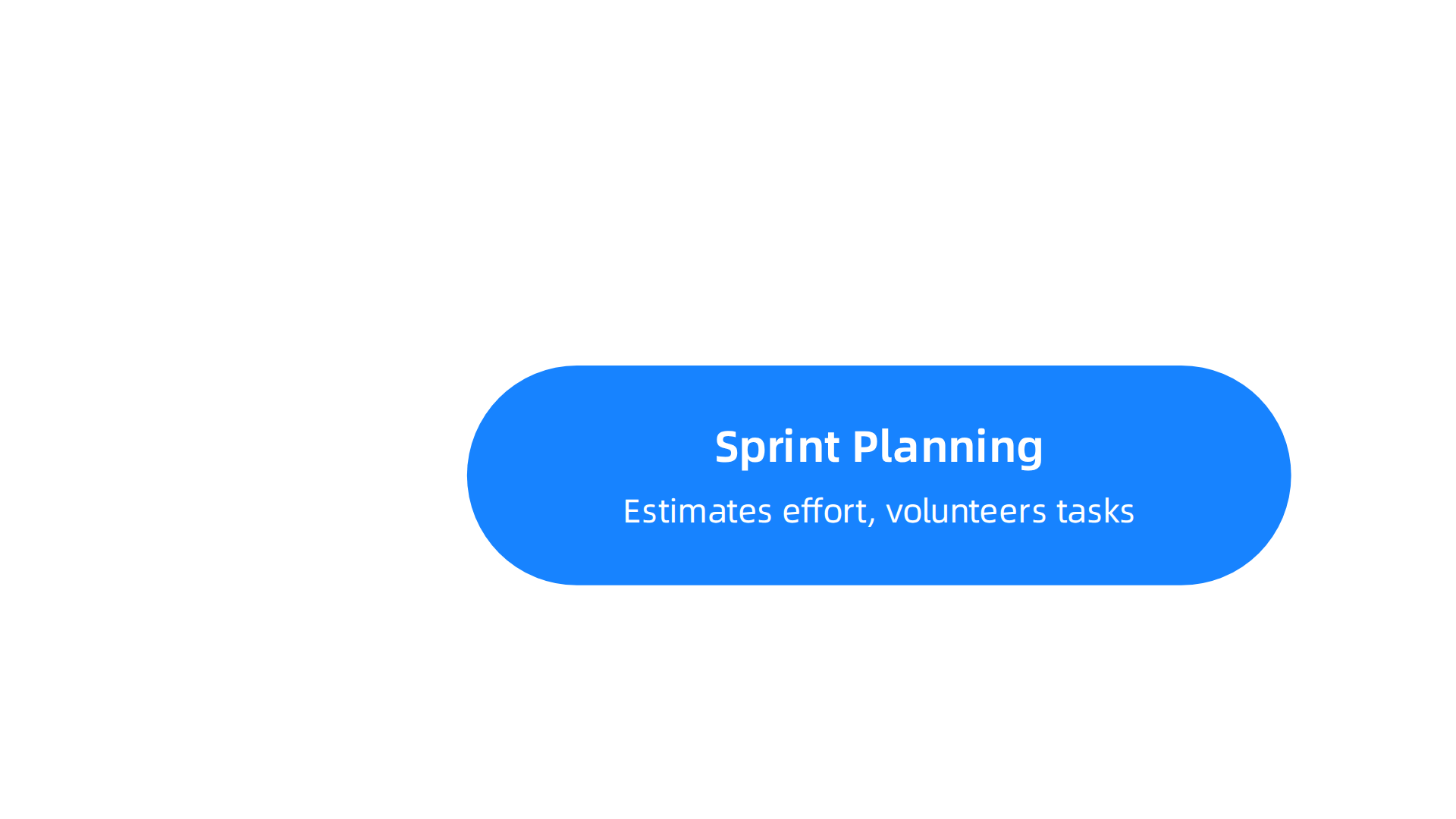
Picture this. An AI agent attends your sprint planning. It looks at the backlog, estimates effort based on past work, and volunteers to handle the next API endpoint. It writes the code, runs the tests, and opens a pull request. You review and merge. That is the reality with modern tools like Genie AI and Claude Code commands. A breakdown of software development trends in 2026 shows that 84% of developers now use or plan to use AI tools daily.
Looking ahead, AI agents will manage entire microservices on their own. They will monitor system health, detect issues, and apply fixes without waking anyone up. These self-healing systems are already in early use. But with more autonomy comes more responsibility. Teams need to set clear rules about what an agent can do without approval.
Ethical questions matter too. If an AI agent makes a bad call, who is responsible? The answer is still taking shape. Most teams handle this by keeping a human in the loop for critical decisions. They treat AI like a skilled junior developer. Let it work, but always review the output. That balance between speed and safety is the key to success with AI platforms.
A strong foundation in programming helps you work better with AI. When you understand the basics, you can spot errors and guide the tool more effectively. Start with this resource on mastering programming language fundamentals.
And to stay updated on how these trends evolve every day, get The AI Newsletter Worth Reading. It brings clear daily AI updates straight to your inbox.
The future is not AI alone. It is AI and developers working together. Each side brings something the other lacks. That partnership is what drives the best code and continuous innovation.
Summary
This article maps the practical ways AI is reshaping software development in 2026, from writing code to shipping and maintaining production systems. It explains how AI coding assistants (like Genie, Claude, and Vast) speed up function authoring and testing, how AI-powered CI/CD reduces flaky builds and enables safe rollbacks, and how intelligent testing, debugging, and code-review tools cut time spent on bugs and technical debt. The piece also covers AI agents that automate routine setup and environment tweaks, plus personalization features that adapt your IDE to your habits. You’ll learn which parts of the workflow AI can safely handle, where to keep humans in the loop, and the governance steps to reduce security and trust risks. After reading, you’ll have a clear picture of practical integrations, which tools to evaluate, and how to start using AI to ship faster without sacrificing quality.