
Doordash App Engineering Business Model Breakdown
· 20 min read

The world of online delivery apps is huge and still getting bigger. In 2026, the online food delivery market alone is expected to bring in a massive US$1.51 trillion in revenue worldwide, showing just how big these services have become Online Food Delivery – Worldwide Statista Market Forecast.
Because of this huge growth, understanding how leading companies like DoorDash work is super important.
When we look at the doordash app, we’re not just looking at a way to get food delivered. We’re looking at a complex system that can teach us a lot about building great software for any business. It’s like taking apart a very fancy toy to see how all the gears and wires fit together. Learning from a big consumer marketplace helps us see how to handle many users at once, manage lots of data, and make sure everything runs smoothly. These lessons are useful whether you’re building new order processing software or trying to understand how different martech companies build their systems to connect with customers.
This article will break down the doordash app from several important angles. We will explore its business model and how it makes money. We’ll also dive into the tech tools and architecture that make the app run, looking at the kind of systems that power such a huge operation. Understanding how apps like this are built can also help you learn about overall startup app development trends 2026. We’ll cover how DoorDash grows its user base and makes its app easy to use, as well as the smart ways it handles logistics and operations to deliver goods quickly. Lastly, we’ll touch on how new tools like AI are helping developers build and improve these kinds of apps even faster.
Want to stay on top of the latest in AI and tech? Get clear daily AI updates from The Deep View Newsletter.
The doordash app is more than just a simple tool for ordering food. It’s a prime example of a complex software system that developers and product teams can learn a lot from.

Why is it such a good case study? Because it brings together many tricky parts of building software, especially for a huge service that connects many different kinds of users.
At its heart, the DoorDash app is a "two-sided marketplace." This means it serves two main groups of people at once: the customers who want food delivered and the "Dashers" (delivery drivers) who bring the food. Actually, it’s even more complex, as it also serves the restaurants that prepare the food. Managing these three groups all at once creates many unique engineering challenges. The system has to make sure customers can easily find food, drivers can get orders quickly, and restaurants can handle requests without a hitch. This requires smart rules and ways to encourage each group to use the service, like offering bonuses to drivers or discounts to customers. The entire food delivery app market is expected to keep growing, reaching big numbers like USD 371.2 billion in 2024 and projected to reach USD 945.4 billion by 2034 Food Delivery App Revenue and Usage Statistics (2026),
which means the systems behind them only get more complex.
The problems the doordash app solves are useful for almost any business software system. Here are some key areas:
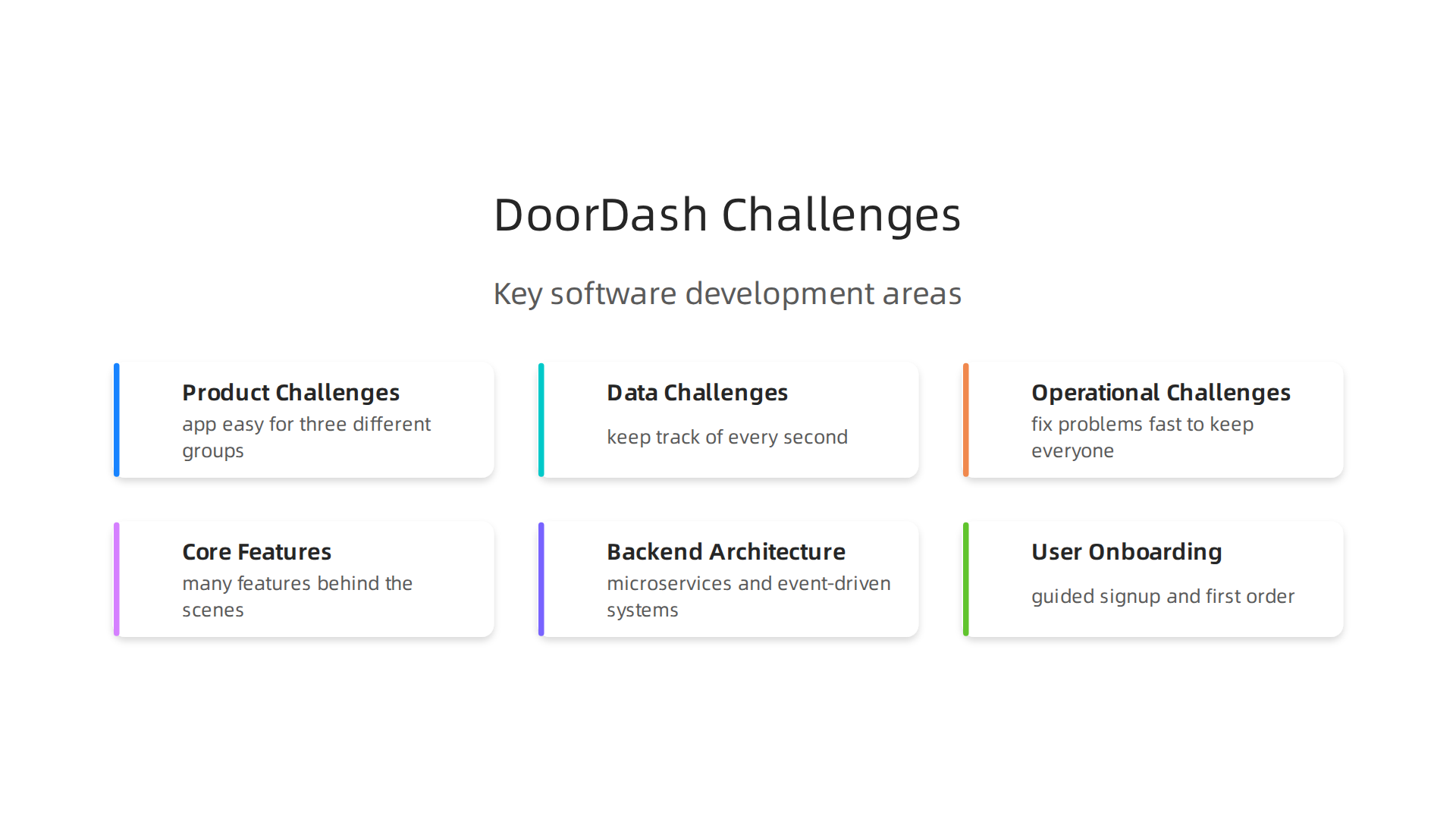
- Product Challenges: How do you make an app that is super easy for three different groups to use, even when they need to do very different things? For example, a customer wants to browse menus, but a driver needs clear directions and delivery details. Designing each part of the app so it works well for its specific user is a big job.
- Data Challenges: Imagine how many orders, drivers, and restaurant details the
doordash apphas to keep track of every second. It’s a huge amount of data. The system needs to quickly match customers with drivers and restaurants, track deliveries in real time, and learn from past orders to make better suggestions. This kind of data handling is important for anyorder processing software. - Operational Challenges: Making sure every order goes smoothly from start to finish is tough. What happens if a driver gets a flat tire? Or a restaurant runs out of an item? The system needs to be flexible and have ways to fix problems fast to keep everyone happy. This is like the complex tasks faced by
martech companiestrying to track customer journeys or by businesses using differentlist of pos systemsto manage sales and inventory. Big systems also need strong monitoring to avoid problems. Learning about things like AWS Status Monitoring How to Proactively Avoid Costly Downtime can help you keep your own systems running smoothly.
By looking closely at the doordash app, we can learn lessons about how to build robust, scalable, and user-friendly software that can manage many moving parts and keep different users happy at the same time.
The doordash app gives us a great way to learn about how product features are built to keep customers happy and make money.

It’s not just about getting food from point A to point B. It’s about designing smart features that make people want to use the app again and again.
Core Product Features that Drive Growth
The doordash app has many features working behind the scenes. Think about what happens when you open the app:
- Smart Search and Matching: First, you look for food. The app needs to show you restaurants nearby and suggest things you might like. This uses complex computer programs that look at your past orders and what’s popular. Then, when you place an order, the app must quickly find the best Dasher (driver) and restaurant to fulfill it. This requires very fast data handling, like what is needed in advanced
order processing software. - Promotions and Personalized Offers: Have you ever seen a "20% off your next order" coupon or free delivery for certain restaurants? These are not random. The
doordash appuses data to offer you deals that make you want to order more often. This personalized touch helps keep customers coming back, which is key for any business trying to grow. - Subscription Services: DoorDash offers a service called DashPass. For a monthly fee, you get benefits like free delivery on many orders. This creates a steady income for the company and makes users more loyal. They are more likely to use DoorDash instead of another service because they’ve already paid for the benefits. Such models are vital for retention and monetization.
- Pricing Strategies: The prices you see include not just the food cost, but also delivery fees and service fees. DoorDash carefully sets these prices to make enough money while still being attractive to customers and paying Dashers fairly. These financial strategies have helped the company grow its marketplace gross order value significantly, as seen in their DoorDash Releases First Quarter 2026 Financial Results.
These features aren’t simple to build. They involve a lot of planning and smart thinking, which is a big part of what product managers at companies like DoorDash do, as discussed in A Product Manager’s Perspective on Using Data Science at DoorDash.
Balancing Complexity and Cost
Building all these clever features creates a balancing act for the engineering teams. Every new feature, like better search or personalized promotions, adds complexity to the app. This means:
- More Code and Testing: New features need more computer code to be written and tested carefully to avoid mistakes.
- More Powerful Systems: Handling millions of orders and users means the app needs strong computer servers and databases. More complex features usually need even more power.
- Higher Operational Costs: All of this costs money. You need more engineers, better technology, and constant maintenance.
The doordash app must always weigh the benefits of a new feature (like making customers happier or increasing sales) against how much it will cost to build and run. This is a common challenge for many companies, from martech companies trying to track customer behavior to businesses using various list of pos systems to manage sales and inventory. They all need to find the sweet spot where their software is powerful and helpful without being too expensive to maintain.
To learn more about how to create useful applications, you might want to look into startup app development trends 2026 what actually works for building your next app.
Building all these clever features creates a balancing act for the engineering teams. Every new feature, like better search or personalized promotions, adds complexity to the app. This means:
- More Code and Testing: New features need more computer code to be written and tested carefully to avoid mistakes.
- More Powerful Systems: Handling millions of orders and users means the app needs strong computer servers and databases. More complex features usually need even more power.
- Higher Operational Costs: All of this costs money. You need more engineers, better technology, and constant maintenance.
The doordash app must always weigh the benefits of a new feature (like making customers happier or increasing sales) against how much it will cost to build and run. This is a common challenge for many companies, from martech companies trying to track customer behavior to businesses using various list of pos systems to manage sales and inventory. They all need to find the sweet spot where their software is powerful and helpful without being too expensive to maintain.
To learn more about how to create useful applications, you might want to look into startup app development trends 2026 what actually works for building your next app.
3. Architecture & Tech Stack Patterns Used in Large-Scale Delivery Apps
So, how does the doordash app manage all this complexity behind the scenes? It uses smart ways of building its computer programs and systems. Think of it like building a big house. You don’t build one giant room. You build smaller, special rooms that each have a job, like a kitchen, a bedroom, or a bathroom.
The Backend: The Brains Behind the App
The "backend" is all the stuff that happens on computers far away, not on your phone. This is where the magic of linking customers to restaurants and Dashers happens.
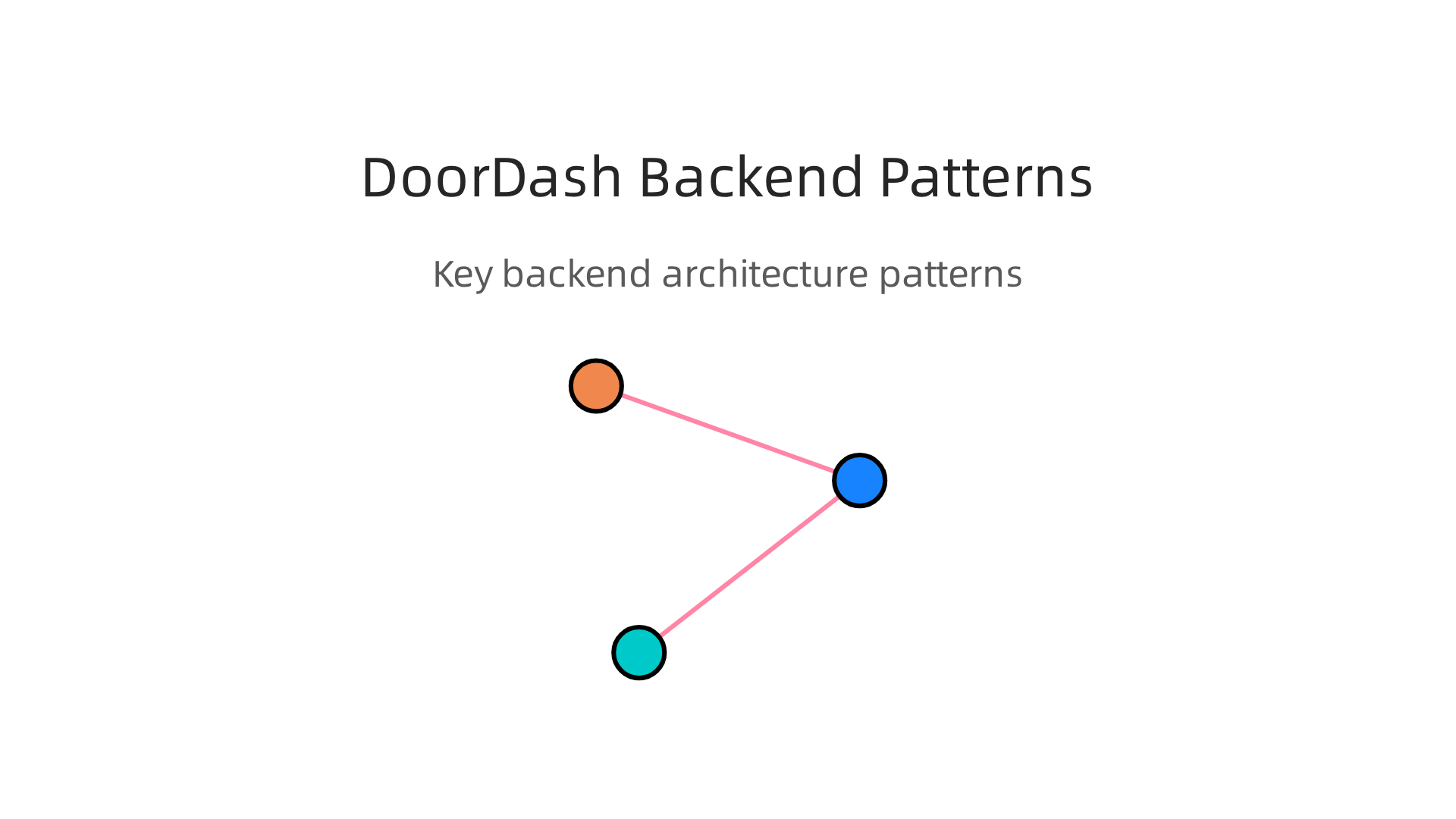
- Microservices: Instead of one huge program, DoorDash uses many small programs called microservices. Each microservice does one thing really well. For example, one microservice might handle all the orders, another manages Dashers, and another deals with payments. This makes it easier to build and fix things because if one small part breaks, the whole app doesn’t go down. It also helps different teams work on different parts at the same time.
- Event-Driven Systems: Imagine you place an order. That’s an "event." This event then tells other parts of the system to do their jobs. It tells the restaurant, finds a Dasher, and updates your app. This way, everything happens in real-time, just like a chain reaction. This is very important for
order processing softwarebecause things need to move fast. - Data Pipelines: DoorDash collects a lot of information every second. Data pipelines are like special highways that move this information from one place to another. This data helps the app learn what you like, find the fastest routes for Dashers, and make good business choices. For example, these systems use complex math to figure out the best way to get food to you, as discussed in research on real-time order dispatch for on-demand food-delivery platforms. Keeping these complex systems running smoothly and avoiding costly downtime is a big job for engineers, and tools for AWS Status Monitoring How to Proactively Avoid Costly Downtime are essential.
The Frontend: What You See on Your Phone
The "frontend" is the part of the doordash app you use every day on your phone or computer.
- Fast and Smooth Performance: The app needs to open quickly and work without freezing. To do this, developers choose special tools and ways to write the app’s code that make it run really fast, even on older phones.
- Working Offline: Sometimes your internet signal might be weak. Good apps try to let you do some things even without a perfect connection. They save a little bit of information on your phone so you can still browse menus or see past orders.
- Quick Updates: DoorDash often adds new features or fixes bugs. The way their app is built allows them to send out these updates quickly, so you get the newest version without waiting too long. This means they can always improve your experience.
Now, let’s look at how the doordash app makes sure people use it easily and keep coming back for more. This is all about balancing what users want with what the delivery system can actually do.
4. UX, onboarding, and growth tactics: balancing conversion with operational constraints
The doordash app isn’t just a fancy tool; it’s designed to be super easy to use, right from the start. This means thinking about how new users join and how everyone finds what they want.
Making it Easy to Start and Order
When you first open the doordash app, it guides you step-by-step. This is called the "onboarding funnel." It’s like a simple path that helps you:
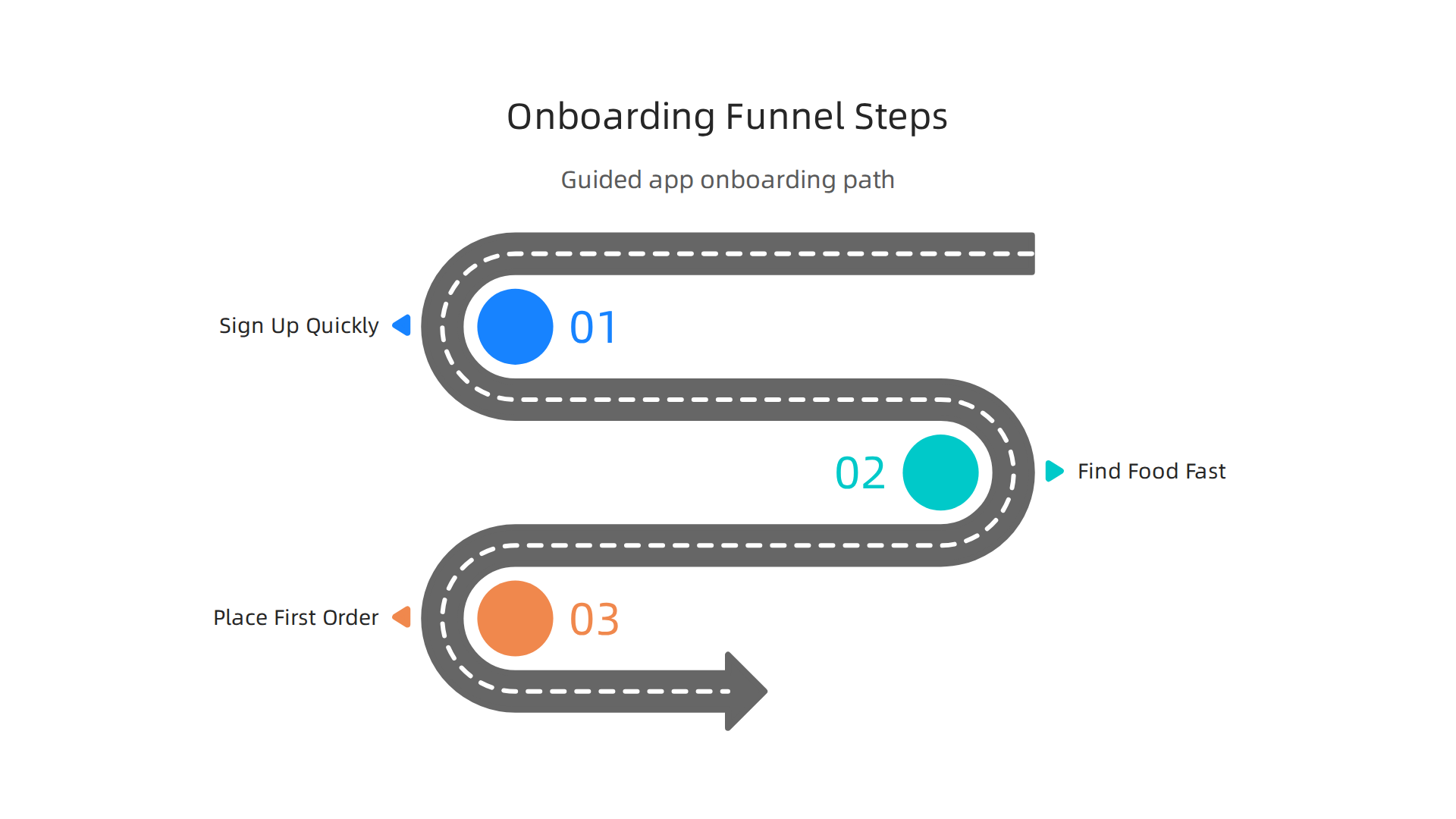
- Sign Up Quickly: The app makes it easy to create an account, maybe using your Google or Apple ID.
- Find Food Fast: It learns your location to show nearby restaurants right away.
- Place Your First Order: Clear buttons and simple steps help you pick food, choose payment, and confirm your order.
The goal is to make this process so smooth that new users don’t get confused and leave. For a large app like DoorDash, this is very important.
Finding What You Want: Discovery and Search
Once you’re in, how do you find that perfect meal? The doordash app has smart ways to help you look:
- Easy Search: You can type in exactly what you’re craving, like "pizza" or "sushi."
- Smart Suggestions: The app might show you restaurants based on what’s popular, what’s new, or even what you’ve ordered before. This helps you discover new places.
- Balancing Choices: While the app wants to show you lots of options, it also needs to make sure there are enough Dashers to deliver from those places. This is where balancing user desires with real-world delivery limits comes in.
Turning Browsers into Buyers: Conversion Strategies
DoorDash uses clever tricks to encourage you to finish your order. This is called "conversion."
- Special Deals: Flash sales or discounts often pop up, making you want to order now.
- Clear Information: You always see the total cost, including delivery fees and tips, before you pay. No surprises.
- Quick Checkout: Saving your payment details makes ordering super fast. This smooth process is key for any app that uses
order processing software.
These strategies work together to make sure that once you’re interested, you complete your purchase.
Growing the App: Experiments and Measurement
To keep improving, the doordash app constantly tries new ideas. This is like doing little science experiments:
- A/B Testing: They might show half their users one version of a new feature and the other half a slightly different one. Then they watch to see which version works better.
- Looking at Data: DoorDash collects lots of information about how people use the app. This data tells them what’s working, what’s not, and where they can make things better. For example, by analyzing how users interact with the app, product managers gain insights into improving the overall experience, as shared in a YouTube video about a Product Manager’s Perspective on Using Data Science at DoorDash.
- Prioritizing Ideas: Based on these tests and data, they decide which new features or changes are most important to work on next. This constant testing and learning helps the
doordash appgrow and stay useful for millions of customers.
Staying on top of new tools and insights in technology is crucial for anyone building or managing complex apps like DoorDash. Get clear daily AI updates from The AI Newsletter Worth Reading.
While the doordash app makes ordering food seem simple, there’s a huge amount of smart technology working behind the scenes. This tech makes sure that your food gets picked up and delivered on time. It’s all about complex operational systems that handle logistics, routing, pricing, and real-time coordination.
5. Operational systems: logistics, routing, pricing, and real-time coordination
Think of the doordash app as the front door, and these operational systems as the busy kitchen and delivery hub. These systems use clever computer programs, called algorithms, to make everything run smoothly.
Finding the Right Dasher and Route (Dispatch & Matching)
When you place an order, the doordash app needs to find the best Dasher to pick up your food and deliver it. This involves:
- Matching Orders: The system quickly finds available Dashers close to the restaurant and heading in your direction. It’s like a smart puzzle where every order needs a perfect fit.
- Smart Routing: Once a Dasher is chosen, the app gives them the best path to drive. This isn’t just a simple map; it’s a special route planning tool that looks at traffic, road closures, and how many other orders a Dasher might have. This helps make deliveries faster and more efficient, as discussed in research on real-time order dispatch for on-demand food-delivery platforms and automatic route planning in 2026. This kind of complex decision-making is a core part of modern
order processing software.
Changing Prices and Predicting Arrival Times
The doordash app also uses smart systems for pricing and estimating when your food will arrive.
- Dynamic Pricing: Have you ever noticed delivery fees change? That’s "dynamic pricing" at work. If many people are ordering food at the same time, or if the weather is bad, the fees might go up a little to encourage more Dashers to work. This helps keep enough drivers on the road when they’re needed most.
- ETA (Estimated Time of Arrival) Estimation: The app tells you when your food will arrive. This estimate isn’t just a guess. It uses lots of real-time information, like how busy the restaurant is, how far the Dasher has to drive, and current traffic conditions.
Watching Everything Live (Real-Time Telemetry)
All these systems create a huge amount of information that needs to be watched constantly. This is called real-time telemetry.
- Seeing What’s Happening: Imagine a big control room where engineers can see every order, every Dasher, and every customer on a map. They watch for any problems, like a Dasher getting stuck in traffic or a restaurant taking too long.
- Making Quick Changes: If something goes wrong, they can often fix it right away. This constant watching helps keep the whole delivery system running smoothly.
Keeping the System Strong (Reliability Engineering and Monitoring)
For an app like DoorDash, it’s super important that the system almost never breaks down. This is where "reliability engineering" comes in.
- Building Strong Systems: Engineers design the systems so they can handle lots of orders without crashing. They build in backup plans in case one part of the system has an issue.
- Constant Checks: Just like a doctor checks on a patient’s health, engineers constantly monitor the
doordash app‘s systems. They use special tools to look for warning signs of problems before they get big. Keeping an eye on system health, like how to proactively avoid costly downtime, is vital for any major online service.
These advanced systems ensure that the doordash app can manage millions of orders every day, connecting customers, restaurants, and Dashers seamlessly.
The complex systems that power the doordash app offer many important lessons for engineering teams building their own business software.

Thinking about how DoorDash manages everything can help other companies make better choices about technology, teamwork, and what to build next.
How to Use AI and Automation Smartly
Just like the doordash app uses AI for things like route planning and predicting delivery times, modern software teams are using AI to help build software itself. This is called AI-assisted development, and it’s changing how things are done in 2026. Using AI tools can make developers faster and more accurate AI in Software Development – IBM.
However, teams need to be careful. Sometimes, AI-generated code can add to "technical debt," which means code that is hard to understand or fix later. To avoid this, teams should follow simple rules to use AI safely and effectively Evidence-based guide to AI-assisted software development in …. This helps keep the quality high. Learning about new tools like AI coding assistants 2026: how Cluely AI and prompt engineering solve the trust problem can be very helpful. Tools like Anthropic AI for developers: how Claude supercharges your coding workflow are also becoming common for improving how developers work.
If you want to stay up-to-date with all the new AI tools and ideas, you might like this:
The AI Newsletter Worth Reading
Deciding What to Build Next (Roadmap Decisions)
Teams building big software like the doordash app constantly have to decide what’s most important. Should they add a new exciting feature? Or should they spend time fixing older parts of their order processing software to make it more reliable? This is a tough balancing act.
One smart way to do this is to set clear goals for what the company wants to achieve. Then, engineers can look at ideas for new features and compare them with the need to make existing systems stronger. They should try to reduce technical debt and fix problems before they become big, expensive issues. This helps make sure the software stays fast and reliable for a long time.
Teamwork and Learning
The success of the doordash app also shows how important good team organization is. Teams need to work well together, share knowledge, and learn new things all the time. The world of technology changes fast, and keeping up with new tools and ways of working is key for any company that builds software.
Summary
This article uses the DoorDash app as a practical case study to explain how large consumer marketplaces are built, scaled, and monetized. It covers DoorDash’s two-sided marketplace dynamics, core product features (search, personalization, subscriptions, pricing), and the user-focused tactics that increase conversion and retention. On the technical side it explains backend patterns like microservices, event-driven systems, and data pipelines, plus frontend concerns such as performance and offline support. The piece also walks through operational systems — dispatch, routing, dynamic pricing, ETAs, real-time telemetry, and reliability engineering — that keep millions of orders moving. It highlights the trade-offs between adding features and increasing operational cost, and it shows how teams should use AI and automation carefully to boost productivity without accumulating technical debt. Product and engineering leaders reading this will get practical ideas for architecting order processing software, improving UX funnels, and making smarter roadmap and monitoring decisions for scalable apps.